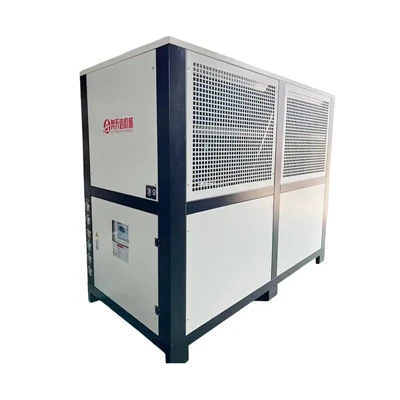
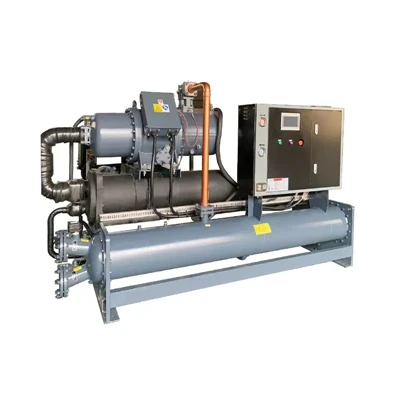
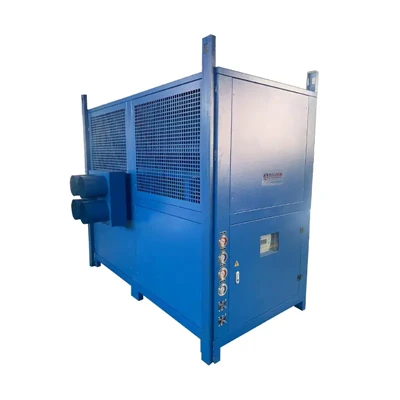
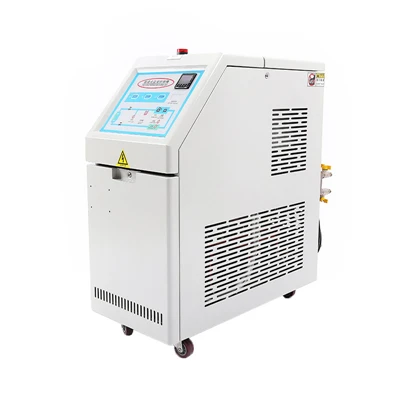
As a supplier of Industrial Jumbo Coolers, I often get asked whether these powerful cooling units can be used for food storage. It's a valid question, considering the significant investment in such equipment and the importance of proper food preservation. In this blog post, I'll explore the feasibility of using an industrial jumbo cooler for food storage, discussing the benefits, potential challenges, and key considerations.


Benefits of Using an Industrial Jumbo Cooler for Food Storage
Temperature Control
One of the primary advantages of an Industrial Jumbo Cooler is its ability to maintain a consistent and low temperature. These coolers are designed to handle large volumes of air and can effectively cool down a substantial space. For food storage, this means that perishable items can be kept at the optimal temperature to prevent spoilage. Whether it's fresh produce, dairy products, or meat, a stable temperature is crucial for maintaining food quality and safety.
High Capacity
Industrial jumbo coolers are built to accommodate large quantities of goods. This makes them ideal for commercial food storage, such as in restaurants, grocery stores, or food processing facilities. With their spacious interiors, these coolers can hold a significant amount of inventory, reducing the need for multiple smaller units and streamlining the storage process.
Durability
Designed for industrial use, Heavy Duty Industrial Cooler are built to last. They are constructed with high-quality materials that can withstand the rigors of continuous operation and heavy use. This durability ensures that the cooler will provide reliable performance over an extended period, making it a cost-effective investment for food storage applications.
Energy Efficiency
Many modern industrial jumbo coolers are designed with energy efficiency in mind. They use advanced technologies and insulation materials to minimize energy consumption while still maintaining optimal cooling performance. This not only helps to reduce operating costs but also makes the cooler more environmentally friendly.
Potential Challenges
Humidity Control
While industrial jumbo coolers are excellent at maintaining low temperatures, they may not always provide precise humidity control. Some foods, such as fresh produce, require a specific level of humidity to stay fresh. If the humidity in the cooler is too low, the produce may dry out and lose its quality. On the other hand, if the humidity is too high, it can lead to the growth of mold and bacteria. Therefore, it's important to consider the humidity requirements of the food being stored and take appropriate measures to control the humidity level in the cooler.
Air Circulation
Proper air circulation is essential for effective food storage. In a large industrial cooler, it can be challenging to ensure that the air is evenly distributed throughout the space. This can result in hot spots or areas with poor ventilation, which can lead to uneven cooling and spoilage of the food. To address this issue, it's important to design the cooler with adequate air ducts and fans to promote proper air circulation.
Cost
Industrial jumbo coolers are typically more expensive than smaller, residential coolers. The initial investment can be significant, especially for businesses with limited budgets. Additionally, the operating costs, such as electricity and maintenance, can also be higher. Therefore, it's important to carefully consider the cost-benefit ratio before investing in an industrial jumbo cooler for food storage.
Key Considerations
Food Safety Regulations
When using an industrial jumbo cooler for food storage, it's important to comply with all relevant food safety regulations. This includes maintaining the proper temperature and humidity levels, ensuring proper air circulation, and regularly cleaning and sanitizing the cooler. Failure to comply with these regulations can result in foodborne illnesses and legal consequences.
Type of Food
Different types of food have different storage requirements. For example, fresh produce may require a higher humidity level than meat or dairy products. It's important to understand the specific storage requirements of the food being stored and choose a cooler that can meet those needs.
Location
The location of the cooler is also an important consideration. It should be placed in a well-ventilated area away from direct sunlight and heat sources. Additionally, the cooler should be easily accessible for loading and unloading of food.
Maintenance
Regular maintenance is essential for the proper functioning of an industrial jumbo cooler. This includes cleaning the condenser coils, checking the refrigerant levels, and inspecting the fans and motors. It's important to follow the manufacturer's recommended maintenance schedule to ensure the longevity and reliability of the cooler.
Conclusion
In conclusion, an industrial jumbo cooler can be a viable option for food storage, provided that the potential challenges are addressed and the key considerations are taken into account. With their ability to maintain a consistent temperature, high capacity, durability, and energy efficiency, these coolers offer many benefits for commercial food storage. However, it's important to carefully evaluate the specific needs of your business and choose a cooler that is suitable for your application.
If you're interested in learning more about our Industrial Jumbo Cooler or other Air Cooler for Industries, please feel free to contact us for a consultation. Our team of experts can help you determine the best cooling solution for your food storage needs and provide you with a competitive quote.
References
- "Food Storage Guidelines." Food and Drug Administration.
- "Industrial Cooling Systems: Design and Operation." ASHRAE Handbook.