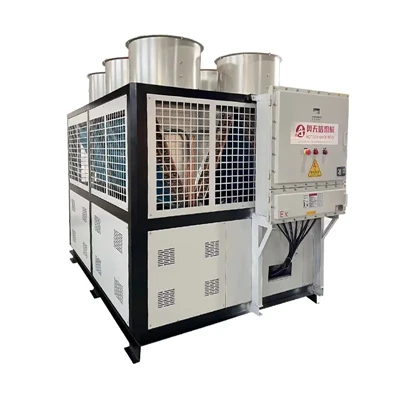
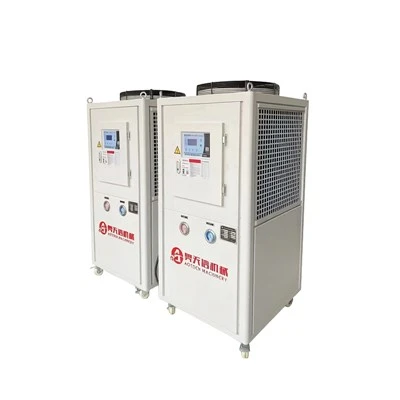
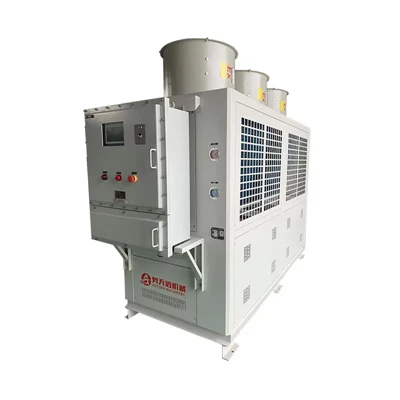
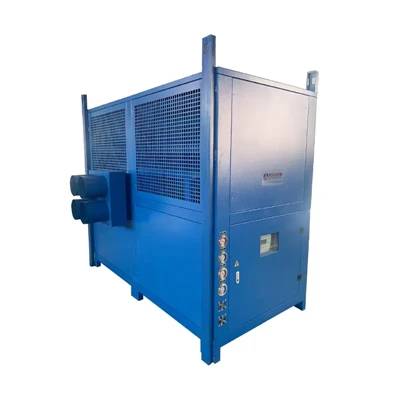
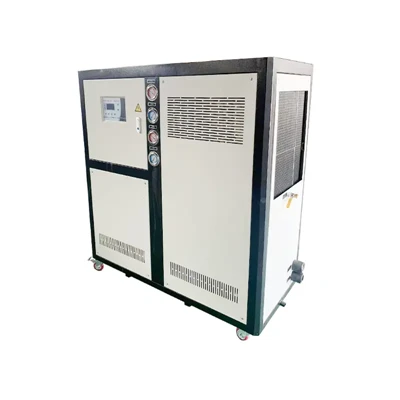
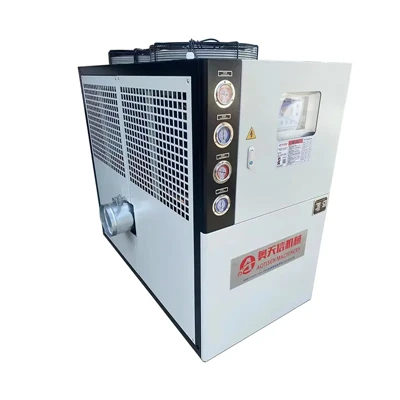
Humidity requirements play a crucial role in the operation and safety of an explosion proof chiller. As a trusted supplier of Explosion Proof Chiller, we understand the significance of maintaining the right humidity conditions to ensure optimal performance and prevent potential hazards. In this blog post, we will delve into the humidity requirements for an explosion proof chiller, exploring the reasons behind these requirements and how they impact the chiller's functionality and safety.


Understanding Explosion Proof Chillers
Explosion proof chillers are specially designed to operate in hazardous environments where the presence of flammable gases, vapors, or dust particles raises the risk of explosions. These chillers are constructed with robust enclosures and safety features to prevent the ignition of explosive substances. They are commonly used in industries such as oil and gas, chemical processing, pharmaceuticals, and food and beverage, where explosion safety is of utmost importance.
Why Humidity Matters
Humidity, the amount of water vapor present in the air, can have a significant impact on the performance and safety of an explosion proof chiller. High humidity levels can lead to condensation on the chiller's components, which can cause corrosion, electrical short circuits, and other malfunctions. On the other hand, low humidity levels can result in static electricity buildup, which can ignite flammable substances in the surrounding environment. Therefore, maintaining the right humidity range is essential to ensure the reliable operation and safety of the chiller.
Ideal Humidity Range for Explosion Proof Chillers
The ideal humidity range for an explosion proof chiller typically falls between 30% and 60%. This range helps to prevent condensation on the chiller's components while minimizing the risk of static electricity buildup. However, the specific humidity requirements may vary depending on the chiller's design, operating conditions, and the type of hazardous substances present in the environment.
In some cases, the humidity range may need to be adjusted based on the manufacturer's recommendations or industry standards. For example, in environments with high levels of dust or particulate matter, a lower humidity range may be required to prevent the accumulation of dust on the chiller's components. Similarly, in environments with a high concentration of flammable gases or vapors, a higher humidity range may be necessary to reduce the risk of static electricity ignition.
Factors Affecting Humidity in the Chiller Environment
Several factors can affect the humidity levels in the environment where an explosion proof chiller is installed. These factors include:
- Ambient Conditions: The humidity levels in the surrounding environment can have a direct impact on the humidity inside the chiller enclosure. For example, in humid climates, the ambient humidity levels may be higher, which can increase the risk of condensation inside the chiller.
- Ventilation: Proper ventilation is essential to maintain the right humidity levels inside the chiller enclosure. Inadequate ventilation can lead to the buildup of moisture, while excessive ventilation can cause the humidity levels to drop too low.
- Process Requirements: The specific process requirements of the application can also affect the humidity levels in the chiller environment. For example, in some industrial processes, the humidity levels need to be carefully controlled to ensure the quality and consistency of the products.
- Chiller Operation: The operation of the chiller itself can also impact the humidity levels in the environment. For example, the cooling process can cause the air inside the chiller enclosure to lose moisture, resulting in lower humidity levels.
Measuring and Controlling Humidity
To ensure that the humidity levels in the chiller environment are within the desired range, it is important to measure and control the humidity regularly. Humidity sensors can be installed inside the chiller enclosure to monitor the humidity levels in real-time. These sensors can provide accurate and reliable data, which can be used to adjust the chiller's operation or take corrective actions if necessary.
In addition to measuring the humidity, it is also important to control the humidity levels in the chiller environment. This can be achieved through various methods, such as:
- Use of Dehumidifiers: Dehumidifiers can be used to remove excess moisture from the air inside the chiller enclosure. This can help to prevent condensation and reduce the risk of corrosion and other malfunctions.
- Proper Ventilation: Ensuring proper ventilation in the chiller environment is essential to maintain the right humidity levels. This can be achieved through the use of fans, vents, or other ventilation systems.
- Humidification Systems: In some cases, it may be necessary to increase the humidity levels in the chiller environment. This can be achieved through the use of humidification systems, such as steam humidifiers or ultrasonic humidifiers.
Other Considerations for Explosion Proof Chillers
In addition to maintaining the right humidity levels, there are several other considerations that need to be taken into account when operating an explosion proof chiller. These include:
- Regular Maintenance: Regular maintenance is essential to ensure the reliable operation and safety of the chiller. This includes cleaning the chiller's components, checking the refrigerant levels, and inspecting the electrical connections.
- Compliance with Standards: Explosion proof chillers must comply with various safety standards and regulations, such as the National Electrical Code (NEC) and the International Electrotechnical Commission (IEC) standards. It is important to ensure that the chiller is installed and operated in accordance with these standards.
- Training and Education: Proper training and education are essential for the operators and maintenance personnel of explosion proof chillers. They should be familiar with the chiller's operation, safety features, and maintenance requirements to ensure the safe and efficient operation of the chiller.
Conclusion
In conclusion, maintaining the right humidity levels is essential for the reliable operation and safety of an explosion proof chiller. The ideal humidity range for an explosion proof chiller typically falls between 30% and 60%, but the specific requirements may vary depending on the chiller's design, operating conditions, and the type of hazardous substances present in the environment. By measuring and controlling the humidity levels, as well as taking other necessary precautions, such as regular maintenance and compliance with standards, you can ensure the optimal performance and safety of your explosion proof chiller.
If you are in the market for an explosion proof chiller or have any questions about humidity requirements or other aspects of chiller operation, please feel free to contact us. Our team of experts is here to help you choose the right chiller for your application and ensure its safe and efficient operation.