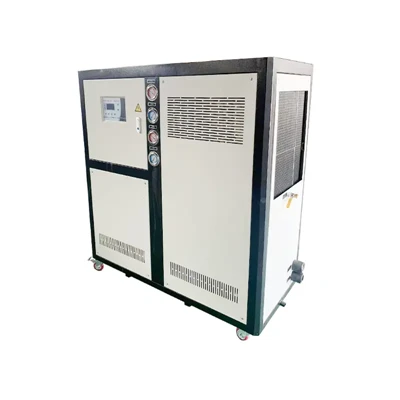
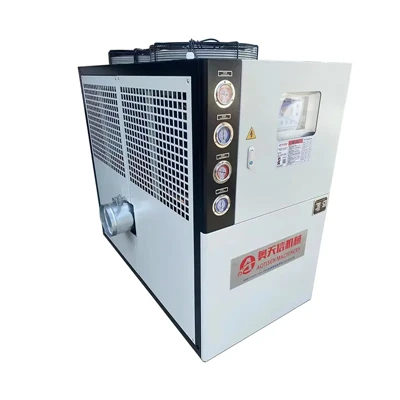
When it comes to large industrial coolers, one question that often arises is, "What is the weight of a large industrial cooler?" As a premier supplier of Large Industrial Cooler, I'm here to shed some light on this topic and provide you with a comprehensive understanding of the factors that influence the weight of these essential pieces of equipment.
Understanding the Basics of Large Industrial Coolers
Large industrial coolers are designed to meet the cooling needs of industrial settings, such as factories, warehouses, and large commercial spaces. They come in various types, including evaporative coolers, air - cooled chillers, and water - cooled chillers. Each type has its own set of features and design considerations that contribute to its overall weight.
Evaporative coolers, for instance, work by using the evaporation of water to cool the air. They typically consist of a water reservoir, a pump, cooling pads, and a fan. The weight of an evaporative industrial cooler is influenced by the size of the water reservoir, the thickness and material of the cooling pads, and the construction of the housing. A larger water reservoir will naturally add more weight to the unit, as water is relatively heavy.
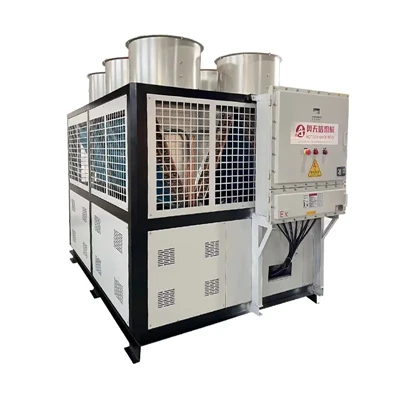
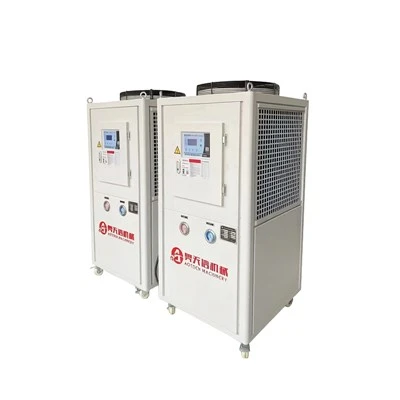
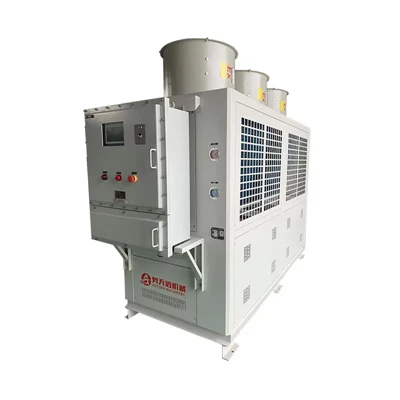
Air - cooled chillers, on the other hand, remove heat from a fluid and transfer it to the air. These coolers have a compressor, a condenser, an evaporator, and a set of fans. The weight of an air - cooled chiller is mainly determined by the size and power of the compressor, the amount of refrigerant it holds, and the size of the condenser coils. Compressors can be quite heavy, especially in large - scale industrial models, as they need to handle high - volume cooling requirements.
Water - cooled chillers use water as a cooling medium to remove heat. They consist of a water - cooled condenser, a compressor, an evaporator, and a cooling tower. The weight of a water - cooled chiller is affected by the size of the condenser, the size of the cooling tower, and the amount of water that circulates through the system. The cooling tower, which can be quite large in industrial applications, adds a significant amount of weight due to its structure and the water it holds.
Factors Affecting the Weight of Large Industrial Coolers
Size and Capacity
The most obvious factor influencing the weight of a large industrial cooler is its size and capacity. Larger coolers with higher cooling capacities generally weigh more. For example, an Industrial Big Cooler designed to cool a vast warehouse will have more substantial components, such as larger compressors, bigger heat exchangers, and larger fans. These components are necessary to provide the required cooling power, but they also add to the overall weight of the unit.
The capacity of the cooler is often measured in tons of refrigeration (TR). A higher - tonnage cooler will need more powerful and larger components, resulting in a greater weight. For instance, a 100 - ton air - cooled chiller will be much heavier than a 10 - ton unit.
Material of Construction
The materials used in the construction of large industrial coolers play a crucial role in determining their weight. Commonly used materials include steel, aluminum, and plastic.
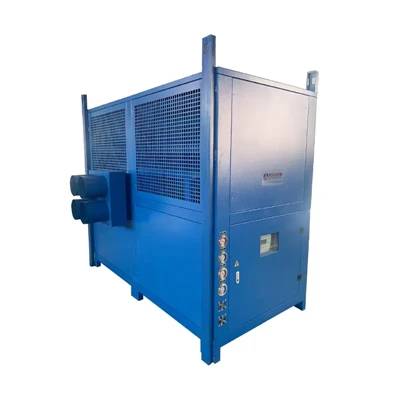
Steel is a popular choice for the outer housing and many internal components of industrial coolers due to its strength and durability. However, steel is relatively heavy, which can significantly increase the overall weight of the unit. For example, a large - scale industrial cooler with a steel housing and frame can weigh several thousand pounds.
Aluminum, on the other hand, is lighter than steel but still offers good strength. Many modern industrial coolers use aluminum for components such as fan blades and some parts of the casing to reduce weight without sacrificing too much durability.


Plastic is used in some smaller components, such as water reservoirs and some internal covers. While plastic is lightweight, it may not be suitable for all parts of the cooler, especially those that need to withstand high pressures or stresses.
Additional Features and Accessories
Large industrial coolers often come with a variety of additional features and accessories, which can also add to their weight. For example, some coolers may have built - in filters to improve air quality. These filters can vary in size and material, and larger, more advanced filters can increase the overall weight of the unit.
Sound - proofing materials are sometimes added to industrial coolers to reduce noise levels. These materials, such as insulation foam, add extra weight but are necessary in settings where noise is a concern, such as near offices or residential areas.
Some coolers may also have built - in controls and monitoring systems. These electronic components, along with their wiring and enclosures, contribute to the weight of the cooler.
Typical Weight Ranges of Large Industrial Coolers
The weight of large industrial coolers can vary widely depending on the factors mentioned above. Here are some general weight ranges for different types of industrial coolers:
Evaporative Coolers
Small - to - medium - sized evaporative industrial coolers can weigh anywhere from 200 to 500 pounds. These units are typically used for smaller industrial spaces or as supplementary cooling in larger areas.
Large - scale evaporative coolers, such as the Industrial Jumbo Cooler, can weigh between 1000 and 3000 pounds or more. These coolers have large water reservoirs and powerful fans to provide extensive cooling coverage.
Air - Cooled Chillers
Small air - cooled chillers with a capacity of around 10 to 20 tons can weigh between 1000 and 3000 pounds. As the capacity increases, so does the weight. A 50 - ton air - cooled chiller can weigh between 5000 and 8000 pounds, while a 100 - ton unit can weigh upwards of 10,000 pounds.
Water - Cooled Chillers
Water - cooled chillers are generally heavier than air - cooled chillers due to the additional components, such as the cooling tower. Small water - cooled chillers with a capacity of 10 to 20 tons can weigh around 3000 to 5000 pounds. For larger units with a capacity of 100 tons or more, the weight can exceed 15,000 pounds, including the weight of the cooling tower.
Importance of Knowing the Weight
Understanding the weight of a large industrial cooler is crucial for several reasons. Firstly, it helps in the installation process. The installation site needs to be able to support the weight of the cooler. If the floor or foundation is not strong enough, it can lead to structural damage and safety hazards.
Secondly, knowing the weight is essential for transportation. Heavy industrial coolers require specialized equipment for loading, unloading, and transportation. The weight affects the type of vehicle needed and the logistics involved in getting the cooler to the installation site.
Thirdly, the weight can also impact the energy consumption of the cooler. Heavier coolers may require more energy to operate, especially if they have larger components that need to be powered. This can have implications for the long - term operating costs of the cooler.
Contact Us for More Information
If you are in the market for a Heavy Duty Industrial Cooler or an Air Cooler for Industries, and you have questions about the weight or any other aspect of our products, feel free to contact us. We have a team of experts who can provide you with detailed information, help you select the right cooler for your specific needs, and assist you throughout the purchasing process. Whether you are looking for a small - scale cooler for a specific industrial area or a large - capacity unit for a vast warehouse, we have the solution for you. Engage with us to start a productive purchasing dialogue and find the perfect large industrial cooler for your operations.
References
- ASHRAE Handbook: Refrigeration. American Society of Heating, Refrigerating and Air - Conditioning Engineers.
- Industrial Cooling Systems Design and Operation Manual. Technical Publications.
- "Materials and Manufacturing in Industrial Air Conditioning" Journal of Industrial Refrigeration.