Hey there! As a supplier of Closed Cell Cooling Towers, I often get asked how these bad boys handle high heat loads. Well, buckle up because I'm about to break it down for you in a way that's easy to understand.
Understanding High Heat Loads
First things first, let's talk about what high heat loads actually are. In industrial settings, a lot of processes generate a ton of heat. Think about manufacturing plants where machinery runs non - stop, or data centers where servers are constantly chugging away. All this activity produces heat, and if it's not managed properly, it can lead to equipment failure, reduced efficiency, and even safety hazards.
High heat loads are measured in British Thermal Units (BTUs) per hour. The higher the BTU rating, the more heat the system is producing. And when you've got a high - heat - load situation, you need a cooling solution that can keep up.
How Closed Cell Cooling Towers Work
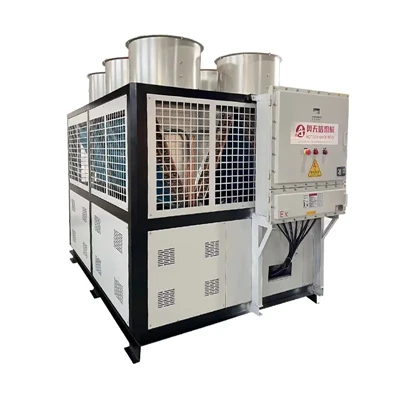
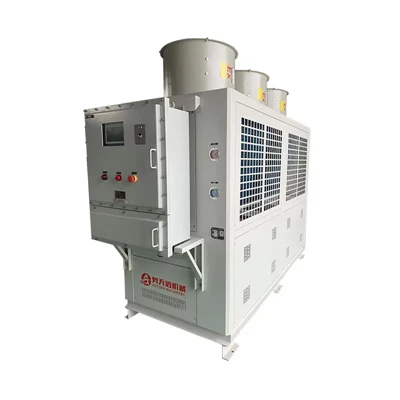
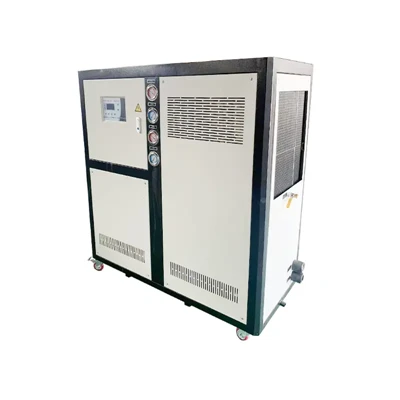
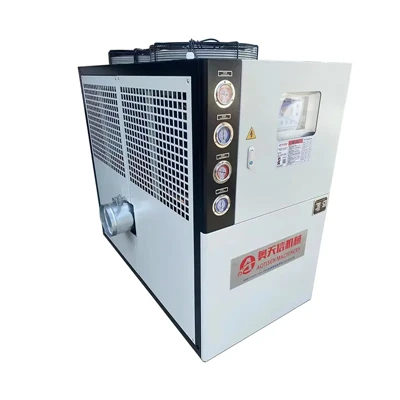
So, how does a Closed Cell Cooling Tower fit into all of this? A Closed Cell Cooling Tower, which you can learn more about here, operates on a simple yet effective principle.


It consists of a closed - loop system where the hot fluid (usually water or a coolant mixture) circulates through a series of tubes or coils within the tower. Outside the tubes, a flow of air and a small amount of water are used to cool the tubes. The key here is that the process fluid inside the tubes never comes into direct contact with the cooling air or the water sprayed on the outside of the tubes. This is different from an open - type cooling tower, where the process fluid is exposed to the environment.
When high - temperature process fluid enters the closed - cell cooling tower, it flows through the heat exchanger tubes. The water sprayed on the outside of these tubes evaporates, taking away heat from the tubes and the fluid inside them. At the same time, a fan draws in ambient air, which helps in the evaporation process and also carries away the heat.
Handling High Heat Loads
Now, let's dig into how a Closed Cell Cooling Tower handles those high heat loads.
1. Efficient Heat Transfer Design
The design of the heat exchanger in a Closed Cell Cooling Tower is crucial. It's engineered to maximize the surface area available for heat transfer. The tubes or coils are often made of materials with high thermal conductivity, like copper or aluminum. This allows for quick and effective transfer of heat from the hot process fluid inside the tubes to the water and air outside.
For example, some of our Closed Cell Cooling Towers use finned tubes. These fins increase the surface area of the tubes, which means more heat can be transferred in a shorter period. When dealing with high heat loads, this efficient heat transfer is essential to keep the process fluid at an appropriate temperature.
2. Variable - Speed Fans
Another important feature is the use of variable - speed fans. In a high - heat - load situation, the demand for cooling is much higher. Variable - speed fans can adjust their speed according to the heat load. When the heat load is high, the fans can run at a higher speed, pulling in more air and increasing the evaporation rate of the water on the outside of the tubes. This results in more heat being removed from the process fluid.
On the other hand, when the heat load decreases, the fans can slow down. This not only saves energy but also reduces wear and tear on the equipment. It's a win - win situation!
3. Adjustable Water Flow
The water flow rate in a Closed Cell Cooling Tower can also be adjusted. When there's a high heat load, more water can be pumped onto the outside of the tubes. The increased water flow provides more surface area for evaporation, which in turn helps to remove more heat.
However, it's important to find the right balance. Too much water can lead to excessive water consumption and potential water carry - over issues. That's why our Closed Cell Cooling Towers are equipped with advanced control systems that can precisely regulate the water flow based on the heat load.
Comparison with Other Cooling Solutions
You might be wondering how a Closed Cell Cooling Tower stacks up against other cooling solutions like Hydraulic Oil Chiller Unit, Water Mold Temperature Controller, Mold Heater Controller, and even open - type cooling towers.
Against Chiller Units
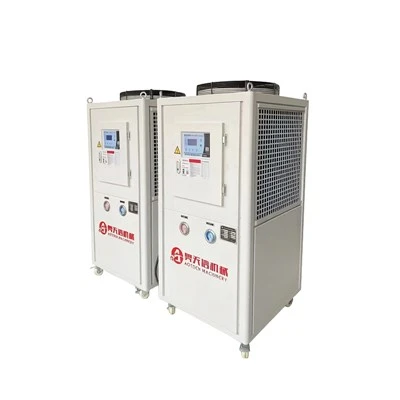
Hydraulic Oil Chiller Units are great for cooling specific fluids like hydraulic oil. But they can be more energy - intensive, especially when dealing with high heat loads. Closed Cell Cooling Towers, on the other hand, use the natural process of evaporation to cool the fluid, which is generally more energy - efficient.
Against Temperature Controllers
Water Mold Temperature Controllers and Mold Heater Controllers are designed for more precise temperature control in specific applications like molding processes. While they are effective for their intended purposes, they may not be able to handle the large - scale high heat loads that a Closed Cell Cooling Tower can manage.
Against Open - Type Cooling Towers
Open - type cooling towers expose the process fluid to the environment, which can lead to issues like contamination and scaling. Closed Cell Cooling Towers keep the process fluid in a closed loop, protecting it from these problems. This is especially important in industries where the purity of the process fluid is critical.
Real - World Applications
Closed Cell Cooling Towers are used in a wide range of industries to handle high heat loads.
Manufacturing
In manufacturing plants, machinery like injection molding machines, extruders, and metalworking equipment generate a lot of heat. A Closed Cell Cooling Tower can keep these machines cool, preventing overheating and extending their lifespan.
Data Centers
Data centers are another area where high heat loads are a major concern. Servers generate a tremendous amount of heat, and if it's not removed quickly, it can lead to system failures. Closed Cell Cooling Towers can efficiently cool the coolant used in the data center's cooling system, ensuring the servers operate at an optimal temperature.
Power Generation
Power plants, whether they are fossil - fuel - based, nuclear, or renewable, produce a significant amount of heat during the generation process. Closed Cell Cooling Towers can be used to cool the water or coolant used in the plant's cooling system, helping to maintain the efficiency of the power generation equipment.
Contact Us for Your Cooling Needs
If you're dealing with high heat loads in your industrial process and are looking for a reliable cooling solution, a Closed Cell Cooling Tower might be exactly what you need. Our team of experts can help you choose the right model for your specific requirements. Whether you're in the manufacturing, data center, or power generation industry, we've got you covered.
Don't hesitate to reach out to us for more information or to start a purchasing discussion. We're here to provide you with the best cooling solutions and excellent customer service.
References
- ASHRAE Handbook of HVAC Systems and Equipment
- Cooling Tower Institute Technical Papers
- Industrial Cooling Equipment Manufacturer's Guides