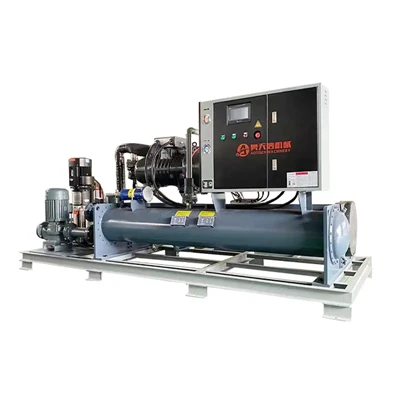
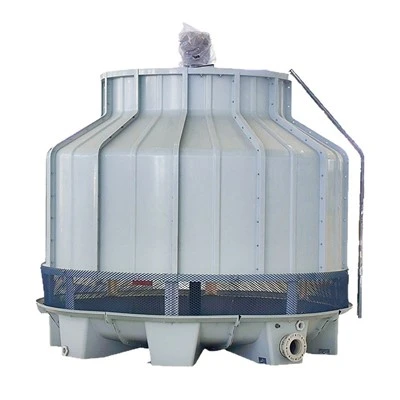
In the printing industry, maintaining high - quality print results is of utmost importance. One often - overlooked but crucial factor in ensuring print quality is the proper temperature control, which is where industrial screw chillers come into play. As a leading supplier of Industrial Screw Chillers, I am here to share insights on how these machines can significantly enhance print quality.
The Importance of Temperature Control in Printing
Printing is a complex process that involves a variety of materials and equipment, all of which are sensitive to temperature changes. For example, in offset printing, the ink's viscosity is highly temperature - dependent. If the temperature is too high, the ink becomes too thin, leading to issues such as over - spreading, poor dot gain control, and color bleeding. On the other hand, if the temperature is too low, the ink may become too thick, resulting in inconsistent ink transfer, uneven coverage, and difficulty in achieving the desired color density.
In digital printing, heat can also cause problems. Excessive heat can damage sensitive print heads, leading to nozzle blockages, reduced print resolution, and inconsistent ink droplet formation. Moreover, high temperatures can cause the substrate (such as paper or film) to expand or contract, resulting in misalignment, wrinkling, and overall poor print registration.
Industrial screw chillers offer a reliable solution for temperature control in printing environments. They can maintain a stable temperature within the printing machinery and the surrounding area, ensuring that the printing process runs smoothly and produces high - quality results.


How Industrial Screw Chillers Work
Industrial screw chillers are refrigeration systems that use a screw compressor to circulate a refrigerant through a closed - loop system. The basic working principle involves four main components: the compressor, the condenser, the expansion valve, and the evaporator.
The compressor is the heart of the chiller. It compresses the low - pressure refrigerant vapor into a high - pressure, high - temperature vapor. This high - pressure vapor then flows to the condenser, where it releases heat to the cooling medium (usually water or air). As the refrigerant cools, it condenses into a high - pressure liquid.
The high - pressure liquid refrigerant then passes through an expansion valve, which reduces its pressure. The sudden drop in pressure causes the refrigerant to expand and evaporate, absorbing heat from the process fluid (such as water or glycol) in the evaporator. The cooled process fluid is then circulated through the printing equipment to remove heat and maintain the desired temperature.
Advantages of Industrial Screw Chillers in the Printing Industry
Precise Temperature Control
One of the key advantages of industrial screw chillers is their ability to provide precise temperature control. They can maintain a constant temperature within a narrow range, typically within ± 0.5°C or even better, depending on the specific model and application requirements. This level of precision ensures that the ink viscosity remains stable, and the print heads operate at their optimal temperature, resulting in consistent print quality.
High Efficiency
Screw compressors are known for their high efficiency. They have a continuous compression process, which reduces energy losses and allows them to operate at a lower power consumption compared to other types of compressors. This not only reduces the operating costs for printing companies but also makes the printing process more environmentally friendly.
Reliability and Durability
Industrial screw chillers are built to last. They are designed with robust components and advanced control systems that can withstand the harsh operating conditions in printing plants. With proper maintenance, these chillers can provide reliable service for many years, minimizing downtime and ensuring uninterrupted production.
Flexibility
Industrial screw chillers can be customized to meet the specific needs of different printing applications. They are available in a wide range of capacities, from small units suitable for small - scale printing operations to large - scale chillers for high - volume commercial printing plants. Additionally, they can be configured for different types of cooling media, such as water - cooled or air - cooled systems, depending on the available resources and space limitations.
Selecting the Right Industrial Screw Chiller for Printing
When choosing an industrial screw chiller for the printing industry, several factors need to be considered:
Cooling Capacity
The cooling capacity of the chiller is one of the most important factors. It should be sufficient to handle the heat load generated by the printing equipment. To determine the appropriate cooling capacity, factors such as the type of printing process (offset, digital, etc.), the size of the printing press, the number of print heads, and the ambient temperature need to be taken into account. A professional chiller supplier can help calculate the exact cooling requirements based on these factors.
Energy Efficiency
As mentioned earlier, energy efficiency is crucial for reducing operating costs. Look for chillers with high Energy Efficiency Ratio (EER) or Coefficient of Performance (COP) ratings. These ratings indicate how efficiently the chiller can convert electrical energy into cooling capacity. Additionally, some chillers are equipped with advanced control systems that can adjust the compressor speed and other parameters based on the actual cooling demand, further improving energy efficiency.
Reliability and Maintenance
Choose a chiller from a reputable manufacturer with a proven track record of reliability. Consider the availability of spare parts and the ease of maintenance. A chiller with a user - friendly control panel and diagnostic tools can make it easier for operators to monitor and maintain the system. Regular maintenance, such as cleaning the condenser and evaporator coils, checking the refrigerant levels, and lubricating the compressor, is essential for ensuring the long - term reliability of the chiller.
Compatibility with Printing Equipment
The chiller should be compatible with the specific printing equipment. For example, some printing presses may require a certain type of process fluid or a specific temperature range. Make sure the chiller can meet these requirements and can be easily integrated into the existing printing system.
Our Product Range
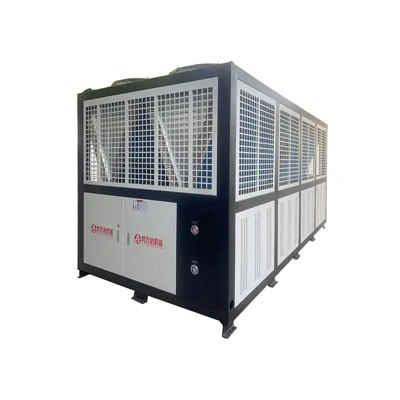
As a supplier of industrial screw chillers, we offer a comprehensive range of products to meet the diverse needs of the printing industry. Our Water Screw Chiller is a popular choice for many printing plants. It uses water as the cooling medium, which provides efficient heat transfer and is suitable for large - scale applications. The Screw Water Chiller is another option, offering a compact design and high - performance cooling.
Our Rotary Screw Chiller is known for its smooth operation and low noise level, making it ideal for printing environments where noise reduction is important. And the Water Cooled Screw Compressor provides reliable and efficient compression, ensuring the stable operation of the chiller.
Ensuring the Long - Term Performance of Industrial Screw Chillers
To ensure the long - term performance of industrial screw chillers in the printing industry, regular maintenance and monitoring are essential. Here are some tips:
Regular Maintenance
- Cleaning: Clean the condenser and evaporator coils regularly to remove dirt, dust, and debris. This helps maintain the heat transfer efficiency of the chiller.
- Refrigerant Checks: Check the refrigerant levels and pressure regularly. Low refrigerant levels can reduce the cooling capacity and efficiency of the chiller, while over - charging can cause damage to the compressor.
- Lubrication: Lubricate the compressor and other moving parts as recommended by the manufacturer. Proper lubrication reduces friction and wear, extending the life of the components.
- Filter Replacement: Replace the air and water filters regularly to prevent clogging and ensure proper airflow and water flow through the chiller.
Monitoring and Control
- Temperature and Pressure Monitoring: Continuously monitor the temperature and pressure of the refrigerant, process fluid, and cooling medium. Any significant changes in these parameters may indicate a problem with the chiller.
- Energy Consumption Monitoring: Monitor the energy consumption of the chiller to identify any abnormal increases. High energy consumption may be a sign of inefficiency or a mechanical problem.
- Control System Optimization: Optimize the control settings of the chiller based on the actual cooling demand. This can help reduce energy consumption and improve the overall performance of the chiller.
Conclusion
Industrial screw chillers play a vital role in ensuring print quality in the printing industry. By providing precise temperature control, high efficiency, reliability, and flexibility, they help printing companies achieve consistent and high - quality print results. As a leading supplier of Industrial Screw Chillers, we are committed to providing the best products and services to our customers in the printing industry. If you are looking to improve your print quality and reduce your operating costs, we invite you to contact us to discuss your specific requirements and find the perfect chiller solution for your business.
References
- ASHRAE Handbook - Refrigeration. American Society of Heating, Refrigerating and Air - Conditioning Engineers.
- Print Quality Control Manual. Printing Industry of America.
- Industrial Refrigeration Systems: Design, Operation, and Maintenance. John Wiley & Sons.