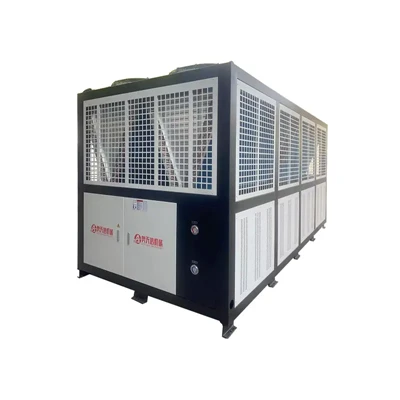
As a seasoned supplier of Water Cooled Screw Compressors, I've witnessed firsthand the growing demand for these powerful machines across various industries. One of the most common questions I encounter from our clients is about the power consumption of a water cooled screw compressor. This blog post aims to delve into this topic, providing a comprehensive overview of what factors influence power consumption and how you can optimize it for your specific needs.
Understanding the Basics of Water Cooled Screw Compressors
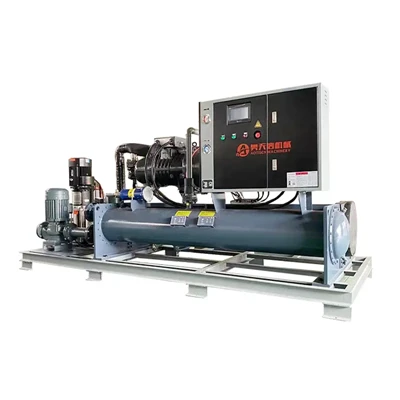
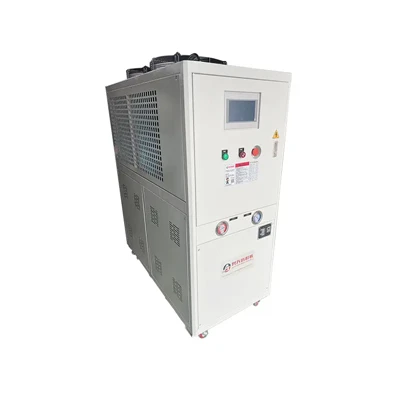
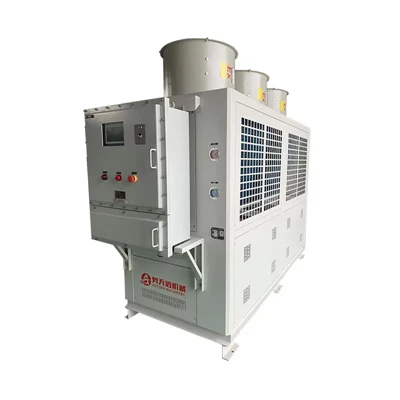
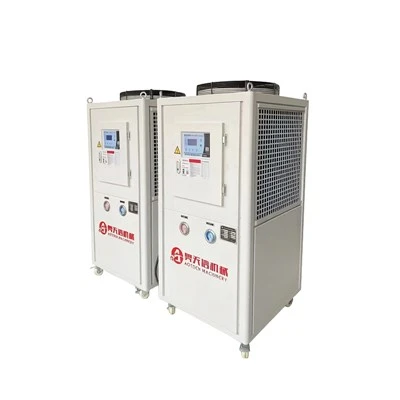
Before we dive into power consumption, let's briefly understand what a water cooled screw compressor is. A water cooled screw compressor is a type of positive displacement compressor that uses two meshing helical screws to compress the refrigerant gas. The cooling process is facilitated by water, which absorbs the heat generated during compression. These compressors are widely used in industrial and commercial applications, including Water Screw Chillers, Industrial Screw Chillers, and Rotary Screw Chillers.
Factors Affecting Power Consumption
The power consumption of a water cooled screw compressor is influenced by several factors. Understanding these factors is crucial for accurately estimating energy usage and implementing effective energy-saving strategies.


Compression Ratio
The compression ratio is the ratio of the discharge pressure to the suction pressure. A higher compression ratio means more work is required to compress the refrigerant gas, resulting in increased power consumption. In practical applications, the compression ratio is determined by the operating conditions of the refrigeration or air conditioning system. For instance, in a colder environment, the suction pressure may be lower, leading to a higher compression ratio and greater power usage.
Refrigerant Type
The choice of refrigerant also plays a significant role in power consumption. Different refrigerants have different thermodynamic properties, such as specific heat and latent heat of vaporization. These properties affect the efficiency of the compression process and, consequently, the power required to operate the compressor. For example, some refrigerants with higher latent heat of vaporization may require less energy to achieve the same cooling effect.
Cooling Water Temperature and Flow Rate
The temperature and flow rate of the cooling water are critical factors in determining power consumption. A lower cooling water temperature allows for more efficient heat transfer, reducing the load on the compressor and thus decreasing power usage. Similarly, an adequate flow rate ensures that the heat is continuously removed from the compressor, maintaining optimal operating conditions. If the cooling water temperature is too high or the flow rate is insufficient, the compressor may have to work harder to achieve the desired cooling effect, leading to increased power consumption.
Compressor Capacity and Load
The capacity of the compressor refers to its ability to compress refrigerant gas over a given period. A larger capacity compressor will generally consume more power. However, the actual power consumption also depends on the load, which is the amount of cooling required by the system. When the load is low, a compressor with variable capacity control can adjust its output to match the demand, resulting in significant energy savings.
Calculating Power Consumption
Calculating the power consumption of a water cooled screw compressor is not a straightforward task, as it involves multiple variables. However, a simplified approach can be used to estimate the power consumption based on the compressor's rated power and the operating conditions.
The rated power of a compressor is the power it consumes at full load under standard operating conditions. To estimate the actual power consumption, you need to consider the load factor, which is the ratio of the actual load to the rated load. For example, if a compressor has a rated power of 100 kW and is operating at 50% load, the estimated power consumption would be 50 kW.
It's important to note that this is a simplified calculation, and in real-world scenarios, other factors such as the efficiency of the compressor, the condition of the cooling system, and the ambient temperature can also affect power consumption.
Strategies for Reducing Power Consumption
As a responsible supplier of Water Cooled Screw Compressors, we are committed to helping our clients reduce their energy consumption and operating costs. Here are some strategies that can be implemented to optimize the power consumption of water cooled screw compressors:
Regular Maintenance
Regular maintenance is essential for ensuring the efficient operation of the compressor. This includes cleaning the condenser and evaporator coils, checking the refrigerant level, and lubricating the moving parts. A well-maintained compressor will operate more efficiently, reducing power consumption and extending its lifespan.
Optimize Cooling Water System
As mentioned earlier, the cooling water temperature and flow rate have a significant impact on power consumption. By optimizing the cooling water system, such as adjusting the cooling tower operation or using a variable speed pump, you can maintain the ideal cooling water temperature and flow rate, resulting in energy savings.
Implement Variable Capacity Control
Variable capacity control allows the compressor to adjust its output based on the actual load demand. This is particularly effective in applications where the cooling load varies significantly over time. By reducing the compressor's capacity during periods of low demand, you can avoid unnecessary power consumption.
Use Energy-Efficient Components
When selecting a water cooled screw compressor, consider choosing models with energy-efficient components, such as high-efficiency motors and advanced control systems. These components can significantly improve the overall efficiency of the compressor and reduce power consumption.
Real-World Applications and Case Studies
Let's take a look at some real-world applications of water cooled screw compressors and how power consumption optimization has been achieved. In a large industrial manufacturing plant, a Screw Water Chiller equipped with a water cooled screw compressor was used to provide cooling for the production process. By implementing regular maintenance, optimizing the cooling water system, and installing a variable capacity control system, the plant was able to reduce the power consumption of the compressor by 20%. This not only resulted in significant cost savings but also reduced the plant's carbon footprint.
In another case, a commercial building with a central air conditioning system using a water cooled screw compressor faced high energy bills. After conducting an energy audit, the building management decided to upgrade the compressor to a more energy-efficient model and implement a smart control system. The new compressor, combined with the smart control system, was able to adjust the cooling output based on the occupancy and outdoor temperature, resulting in a 15% reduction in power consumption.
Conclusion and Call to Action
In conclusion, the power consumption of a water cooled screw compressor is influenced by several factors, including compression ratio, refrigerant type, cooling water temperature and flow rate, and compressor capacity and load. By understanding these factors and implementing effective energy-saving strategies, you can optimize the power consumption of your water cooled screw compressor, reducing operating costs and environmental impact.
If you're interested in learning more about our Water Cooled Screw Compressors or need assistance in optimizing your compressor's power consumption, please don't hesitate to contact us. We have a team of experts ready to help you find the best solution for your specific needs. Whether you're looking to upgrade your existing compressor or install a new system, we can provide you with the technical support and guidance you need to make an informed decision.
References
- "Compressor Handbook", McGraw-Hill
- "Refrigeration and Air Conditioning Technology", Cengage Learning
- "Industrial Energy Efficiency Handbook", International Energy Agency