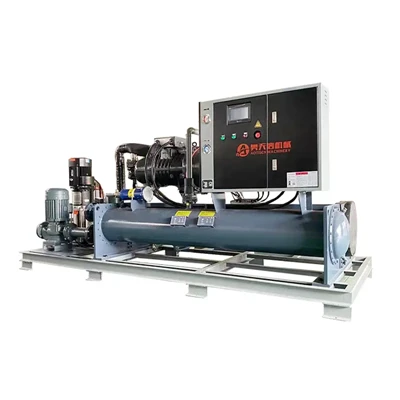
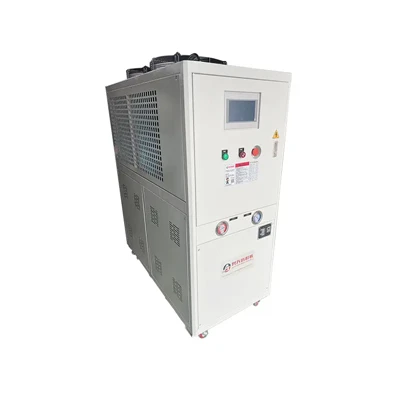
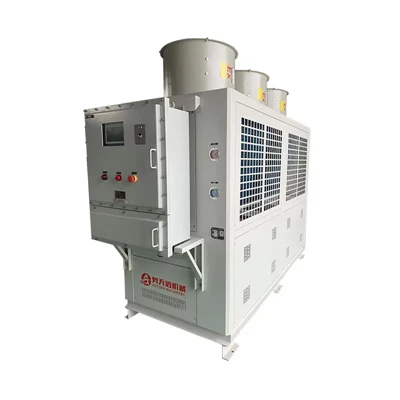
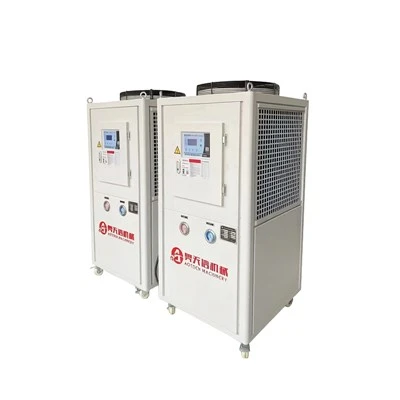
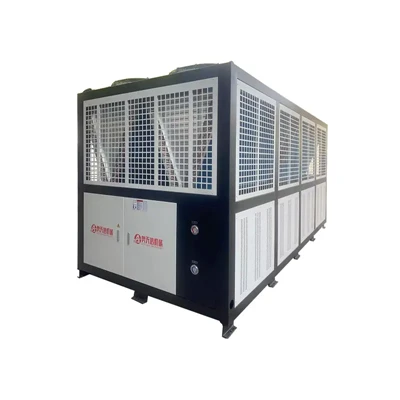
Hey there! As a supplier of Closed Cell Cooling Towers, I'm super excited to share with you the operation regulations for these nifty pieces of equipment. Closed cell cooling towers are essential in many industries for maintaining optimal temperatures in various processes. Let's dive right in and explore what you need to know to operate them effectively.
Pre - operation Checks
Before you fire up a closed cell cooling tower, there are a bunch of things you need to check. First off, take a look at the water level. The water level in the basin should be at the appropriate mark. If it's too low, it can cause all sorts of problems like reduced cooling efficiency and potential pump damage. You can usually check this through a sight glass or a level indicator.
Next, inspect the fan blades. Make sure they're in good condition, without any signs of cracks or damage. Bent or damaged fan blades can lead to unbalanced operation, which not only makes a lot of noise but can also wear out the motor faster. Also, check the fan belt tension. A loose belt can slip, causing the fan to run at a lower speed and reducing the airflow through the tower.
The piping system is another critical area. Look for any leaks in the pipes, valves, and connections. Leaks can waste water and also affect the pressure in the system. You should also ensure that all the valves are in the correct position. Some valves may need to be fully open or closed depending on the operation mode of the cooling tower.
Starting the Cooling Tower
Once you've completed the pre - operation checks, it's time to start the cooling tower. First, start the water pump. This will circulate the water through the system. As the water starts flowing, keep an eye on the pressure gauge. The pressure should be within the recommended range for the specific model of the cooling tower.
After starting the water pump, start the fan. The fan helps to draw air through the tower, which is crucial for the cooling process. You'll notice that as the fan starts working, the water in the tower begins to cool down. Make sure the fan is running smoothly and there are no strange noises.
Normal Operation
During normal operation, you need to monitor several key parameters. The temperature of the inlet and outlet water is a major one. You should use thermometers to measure these temperatures regularly. The difference between the inlet and outlet water temperatures gives you an idea of how well the cooling tower is working. If the temperature difference is lower than expected, it could indicate a problem such as a clogged heat exchanger or low airflow.
The water quality is also important. Over time, the water in the cooling tower can accumulate impurities such as dirt, minerals, and algae. This can affect the efficiency of the cooling process and also lead to corrosion in the pipes and equipment. You can use water treatment chemicals to control the growth of algae and prevent mineral deposits. Some cooling towers also have filters to remove solid particles from the water.
Another thing to watch is the pH level of the water. The ideal pH range for the water in a closed cell cooling tower is usually between 7 and 8.5. If the pH is too low, it can cause acidic corrosion, while a high pH can lead to scaling. You can use pH testing kits to measure the pH of the water and add appropriate chemicals to adjust it if necessary.
Maintenance
Regular maintenance is key to keeping your closed cell cooling tower running smoothly. One of the most important maintenance tasks is cleaning the heat exchanger. Over time, the heat exchanger can get clogged with dirt and debris, which reduces its efficiency. You can clean it using a chemical cleaner or by physically removing the dirt.


The fan and motor also need regular maintenance. Lubricate the bearings of the fan motor according to the manufacturer's recommendations. This will reduce friction and wear, extending the lifespan of the motor. Check the electrical connections of the motor to ensure they're tight and there are no signs of overheating.
Don't forget about the water basin. Clean it regularly to remove any sediment or debris that has settled at the bottom. You may also need to replace the water in the basin periodically to maintain good water quality.
Safety Precautions
Safety is always a top priority when operating a closed cell cooling tower. First of all, make sure all the safety guards are in place. The fan and other moving parts can be extremely dangerous, so never remove the safety guards while the cooling tower is running.
When handling water treatment chemicals, wear appropriate protective gear such as gloves and goggles. These chemicals can be toxic and can cause skin and eye irritation. Also, store the chemicals in a safe place away from children and unauthorized personnel.
If you need to perform any maintenance work on the cooling tower, make sure to shut it down completely and lock out the power source. This will prevent accidental startup and protect you from electrical hazards.
Related Equipment
If you're in the market for industrial cooling equipment, we also offer a variety of other products that might interest you. Check out our Hydraulic Oil Chiller Unit, which is great for cooling hydraulic oils in industrial machinery. Our Water Mold Temperature Machine is perfect for controlling the temperature of molds in the plastic injection molding process. For precise temperature control, our Mold Heater Controller is a great option. And of course, our Closed Type Cooling Tower is designed to provide efficient cooling in a closed - loop system. We also have the Mould Temperature Controller Oil for applications where oil - based temperature control is required.
Contact for Purchase and Consultation
If you have any questions about our Closed Cell Cooling Towers or any of our other industrial cooling equipment, or if you're interested in making a purchase, don't hesitate to reach out. We're here to help you find the best solutions for your cooling needs. Contact us today and let's start a great business relationship.
References
- Cooling Tower Institute. (20XX). Cooling Tower Operation and Maintenance Guide.
- Manufacturer's Manual for Closed Cell Cooling Towers.