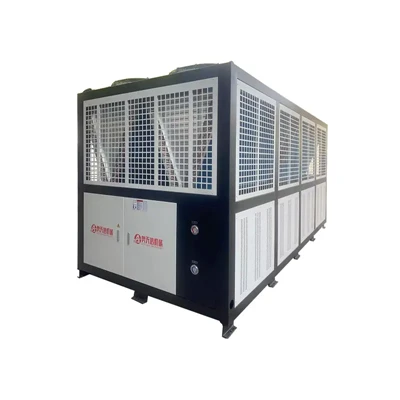
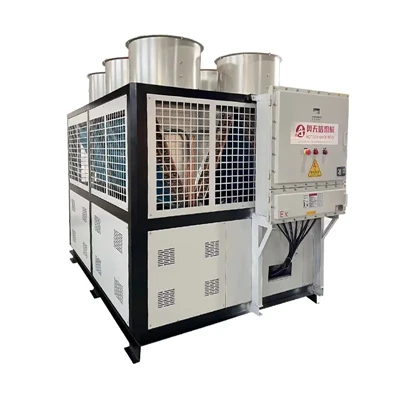
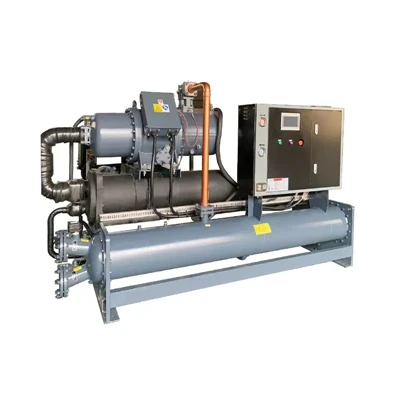
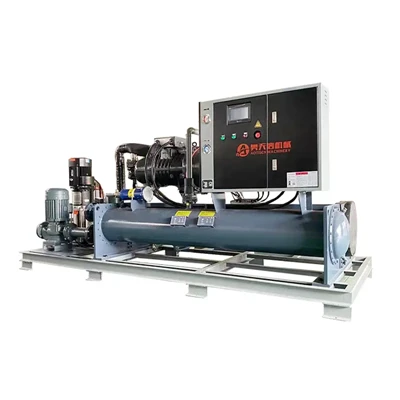
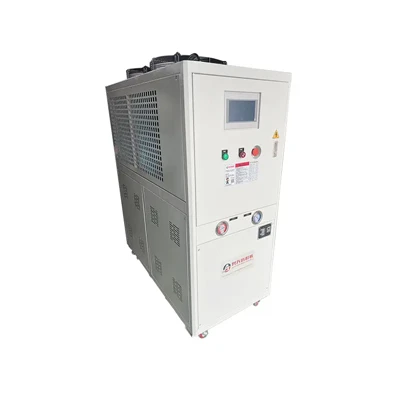
As a leading supplier of Industrial Screw Chillers, I've witnessed firsthand the growing interest in integrating these powerful cooling systems with other HVAC (Heating, Ventilation, and Air Conditioning) components. This blog post aims to explore the feasibility, benefits, and challenges of such integrations, providing valuable insights for businesses looking to optimize their HVAC setups.
Understanding Industrial Screw Chillers
Industrial screw chillers are robust cooling machines widely used in various industrial and commercial settings. They operate on the principle of vapor compression, using a screw compressor to circulate refrigerant through a closed-loop system. This process extracts heat from the water or air being cooled and transfers it outside, providing a reliable source of chilled water or air.
There are different types of industrial screw chillers available, each with its own set of features and applications. For instance, Rotary Screw Chillers are known for their high efficiency and smooth operation, making them suitable for large-scale industrial processes. Water Screw Chillers, also referred to as Screw Water Chillers, use water as the cooling medium and are often used in applications where water is readily available and energy efficiency is a priority. On the other hand, Water Cooled Screw Compressors are designed to work in conjunction with water cooling towers to dissipate heat more effectively.
Feasibility of Integration
The integration of industrial screw chillers with other HVAC systems is not only feasible but also highly beneficial in many cases. The key to successful integration lies in understanding the compatibility of different components and ensuring that they can work together seamlessly.
Most modern industrial screw chillers are designed with flexibility in mind, allowing them to be easily integrated with other HVAC equipment such as air handlers, cooling towers, and boilers. They can be connected to existing ductwork or piping systems, providing a cost-effective way to upgrade or expand an existing HVAC system.
In addition, many industrial screw chillers are equipped with advanced control systems that can communicate with other HVAC components. These control systems allow for centralized monitoring and management of the entire HVAC system, enabling operators to optimize performance, reduce energy consumption, and improve overall efficiency.
Benefits of Integration
Integrating industrial screw chillers with other HVAC systems offers several significant benefits, including:
Energy Efficiency
By combining the cooling capabilities of industrial screw chillers with the heating and ventilation functions of other HVAC components, it is possible to achieve greater energy efficiency. For example, during the winter months, the waste heat generated by the chiller can be recovered and used to heat the building, reducing the need for additional heating sources. Similarly, in the summer, the chilled water produced by the chiller can be used to cool the air before it enters the air handlers, reducing the load on the air conditioning system.
Improved Comfort
An integrated HVAC system can provide a more consistent and comfortable indoor environment. By coordinating the operation of different components, it is possible to maintain a stable temperature and humidity level throughout the building, regardless of the external weather conditions. This can improve the comfort of occupants and enhance productivity in commercial and industrial settings.
Cost Savings
Integrating industrial screw chillers with other HVAC systems can result in significant cost savings. By reducing energy consumption and optimizing the operation of the system, businesses can lower their utility bills. In addition, the use of a single, integrated system can reduce maintenance and repair costs, as there are fewer components to maintain and service.
Enhanced System Reliability
An integrated HVAC system can be more reliable than a system consisting of multiple, independent components. By coordinating the operation of different components, it is possible to detect and address potential problems before they cause a system failure. This can reduce downtime and minimize the impact on business operations.
Challenges of Integration
While the benefits of integrating industrial screw chillers with other HVAC systems are significant, there are also some challenges that need to be addressed. These include:
Compatibility Issues
One of the main challenges of integration is ensuring that different components are compatible with each other. This requires careful consideration of factors such as the size, capacity, and operating conditions of each component. In addition, it is important to ensure that the control systems of different components can communicate with each other effectively.
Installation and Configuration
The installation and configuration of an integrated HVAC system can be complex and time-consuming. It requires careful planning and coordination to ensure that all components are installed correctly and that the system is configured to operate efficiently. In addition, it is important to ensure that the installation is carried out by qualified professionals who have experience in integrating HVAC systems.
Maintenance and Service
An integrated HVAC system requires regular maintenance and service to ensure that it continues to operate efficiently. This includes tasks such as cleaning, lubricating, and inspecting components, as well as checking the refrigerant levels and the performance of the control system. It is important to have a maintenance plan in place and to ensure that it is carried out by qualified professionals.
Tips for Successful Integration
To ensure a successful integration of industrial screw chillers with other HVAC systems, it is important to follow these tips:
Conduct a Thorough Assessment
Before starting the integration process, it is important to conduct a thorough assessment of the existing HVAC system. This includes evaluating the size, capacity, and condition of each component, as well as identifying any potential compatibility issues. Based on the assessment, a detailed integration plan can be developed.
Select the Right Components
When selecting components for the integrated HVAC system, it is important to choose products that are compatible with each other and that meet the specific requirements of the application. This includes considering factors such as the capacity, efficiency, and reliability of each component. In addition, it is important to choose products from reputable manufacturers who offer good technical support and after-sales service.
Work with a Qualified Professional
The integration of industrial screw chillers with other HVAC systems is a complex process that requires specialized knowledge and skills. It is important to work with a qualified professional who has experience in integrating HVAC systems. A qualified professional can help to ensure that the integration is carried out correctly and that the system is configured to operate efficiently.
Monitor and Maintain the System
Once the integrated HVAC system is installed, it is important to monitor and maintain it regularly to ensure that it continues to operate efficiently. This includes tasks such as checking the performance of the system, monitoring the energy consumption, and carrying out regular maintenance and service. By monitoring and maintaining the system, it is possible to detect and address potential problems before they cause a system failure.
Conclusion
In conclusion, the integration of industrial screw chillers with other HVAC systems is a feasible and beneficial solution for businesses looking to optimize their HVAC setups. By combining the cooling capabilities of industrial screw chillers with the heating and ventilation functions of other HVAC components, it is possible to achieve greater energy efficiency, improved comfort, cost savings, and enhanced system reliability. However, it is important to address the challenges of integration, such as compatibility issues, installation and configuration, and maintenance and service. By following the tips outlined in this blog post, it is possible to ensure a successful integration of industrial screw chillers with other HVAC systems.


If you are interested in learning more about our Industrial Screw Chillers and how they can be integrated with your existing HVAC system, please contact us to discuss your specific requirements and explore the best solutions for your business.
References
- ASHRAE Handbook - HVAC Systems and Equipment. American Society of Heating, Refrigerating and Air-Conditioning Engineers, Inc.
- Refrigeration and Air Conditioning Technology. William C. Whitman, John A. Johnson, and Eugene Silberstein.
- Industrial Refrigeration Handbook. Gustav Lorentzen and Daniel McConkey.