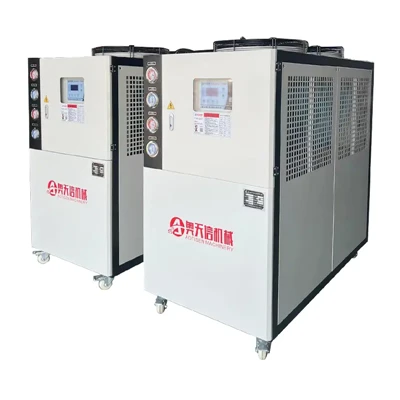
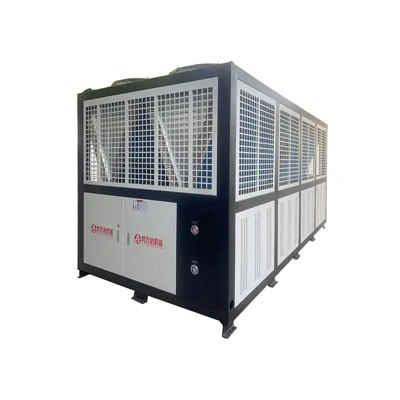
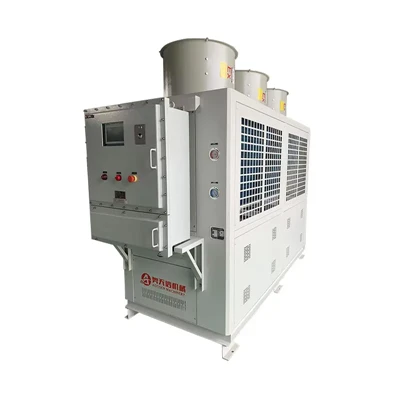
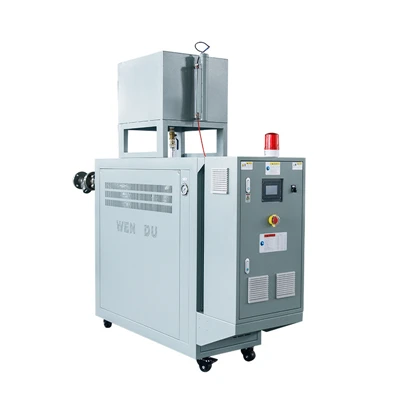
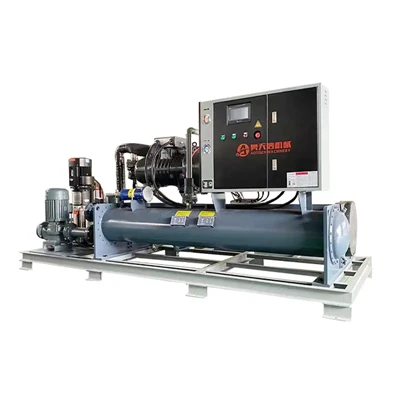
As a supplier of screw chillers, I've seen firsthand how important it is to treat the water used in these systems properly. The water quality can significantly impact the performance, efficiency, and lifespan of the chillers. So, today, let's dive into how to treat the water for screw chillers.
Understanding the Importance of Water Treatment
Water is the lifeblood of screw chillers. It's used for cooling and heat transfer, but it can also bring some challenges. If the water isn't treated right, it can cause a bunch of problems. For example, scale can build - up inside the chiller's heat exchangers. This scale acts like an insulator, reducing the efficiency of heat transfer. As a result, the chiller has to work harder to achieve the same cooling effect, which means higher energy consumption and increased operating costs.


Corrosion is another big issue. If the water has the wrong pH level or contains aggressive substances, it can eat away at the metal components of the chiller. This not only weakens the structure but can also lead to leaks, which will require expensive repairs and may even cause the chiller to break down completely.
Microorganisms are yet another concern. bacteria, algae, and fungi can grow in the water, forming slime. This slime can clog pipes, reduce water flow, and also contribute to corrosion.
Common Water Treatment Methods
Chemical Treatment
Chemical treatment is probably the most common way to treat water for screw chillers. By adding certain chemicals to the water, we can control scale, corrosion, and microbial growth.
- Scale Inhibitors: These chemicals work by preventing the formation of scale. They do this by interfering with the crystallization process of the minerals in the water. For example, polyphosphates can sequester calcium and magnesium ions, preventing them from forming hard scale deposits.
- Corrosion Inhibitors: There are different types of corrosion inhibitors. Some form a protective film on the metal surfaces to prevent contact with the corrosive water. Others work by changing the chemical environment of the water to make it less aggressive. For example, nitrite - based inhibitors can convert the iron oxide on the metal surface into a more protective form.
- Biocides: Biocides are used to kill or control the growth of microorganisms in the water. Oxidizing biocides, such as chlorine, are effective at destroying a wide range of bacteria and algae. Non - oxidizing biocides are used when the water chemistry doesn't allow the use of oxidizing agents, or when more targeted control of specific microorganisms is needed.
Filtration
Filtration is an important step in water treatment. It helps to remove physical particles from the water, such as sand, silt, and debris. These particles can cause abrasion in the chiller's components and also contribute to clogging.
There are different types of filters available. Mechanical filters, like sand filters, use a physical barrier to trap the particles. Cartridge filters are also commonly used. They are more precise and can remove smaller particles.
Water Softening
If the water has a high hardness level (a lot of calcium and magnesium ions), water softening may be necessary. Water softeners work by exchanging the calcium and magnesium ions with sodium ions. This reduces the likelihood of scale formation in the chiller.
Factors to Consider when Treating Water
Water Quality
The first thing you need to do is test the water. You can hire a professional water testing company or use a DIY water testing kit. You'll want to know the pH level, hardness, alkalinity, and the presence of any contaminants. Based on the test results, you can determine the appropriate treatment method.
Chiller Design and Operation
The design of your Water Screw Chiller can also affect the water treatment requirements. For example, some chillers have more sensitive components that require a higher level of water purity. The operating conditions of the chiller, such as the temperature and the flow rate of the water, also play a role in determining the treatment needs.
Environmental Regulations
It's important to comply with environmental regulations when treating water for screw chillers. Some chemicals used in water treatment may be harmful to the environment if not handled properly. Make sure you follow the local guidelines for the use, storage, and disposal of water treatment chemicals.
How to Implement a Water Treatment Program
Set Up a Monitoring System
Regular monitoring is crucial to ensure that the water treatment is working effectively. You should set up a schedule to test the water quality. This can include daily, weekly, or monthly checks depending on the severity of the water quality issues and the operating conditions of the chiller.
Train Your Staff
If you're responsible for the maintenance of the screw chillers, make sure your staff is trained in water treatment. They should know how to use the water treatment chemicals safely, how to operate the filtration and softening equipment, and how to interpret the water test results.
Work with a Professional
If you're not confident in your ability to manage the water treatment program, consider working with a professional water treatment company. They can help you design a customized water treatment program based on your specific needs, provide the necessary chemicals and equipment, and offer ongoing support and monitoring.
Conclusion
Proper water treatment is essential for the optimal performance and longevity of screw chillers. By understanding the importance of water treatment, using the right treatment methods, and considering the various factors involved, you can ensure that your Industrial Screw Chillers run smoothly and efficiently.
If you're in the market for high - quality screw chillers or need advice on water treatment for your existing systems, don't hesitate to reach out. We're here to help you make the best decisions for your cooling needs. Whether you're looking for a Water Cooled Screw Compressor, a Rotary Screw Chiller, or any other type of screw chiller, we've got you covered. Contact us today to start a conversation about your requirements and how we can assist you.
References
- ASHRAE Handbook - HVAC Systems and Equipment.
- Water Treatment Guide for Industrial Cooling Systems.