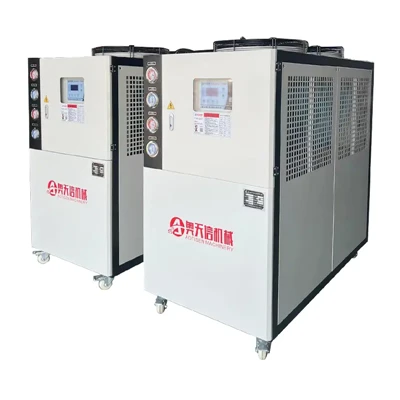
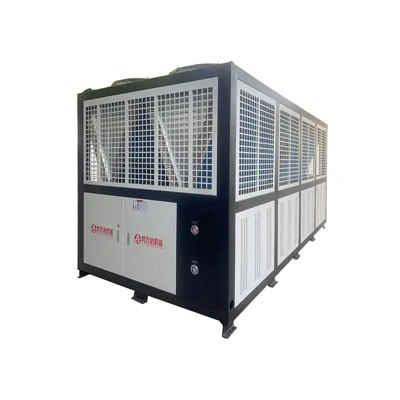
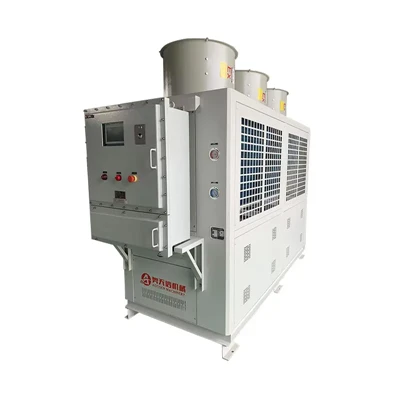
Hey there! As a supplier of Closed Type Cooling Towers, I've seen firsthand how important it is to use these machines safely. In this blog, I'll share some key safety precautions you should take when using a closed type cooling tower.
1. Pre - operation Checks
Before you start up the closed type cooling tower, there are a bunch of things you need to look into. First off, check the water level in the basin. It should be at the recommended level. If the water level is too low, it can cause the pump to run dry, which might damage the pump and affect the whole cooling system. On the other hand, an overly high water level could lead to water spillage, creating a slippery and dangerous environment.
Inspect the fan belt. Make sure it's not worn out, cracked, or loose. A loose or damaged belt can lead to inefficient fan operation, and in the worst - case scenario, it might even come off during operation, causing a mechanical hazard. You can check its tension by pressing on it; it should have just the right amount of give.
Also, take a look at the electrical connections. Ensure that all wires are properly connected, there are no signs of fraying or overheating, and the grounding is good. Faulty electrical connections can result in electrical shocks, short circuits, or even fires, so this is a super important step.
2. Personal Protective Equipment (PPE)
When working around a closed type cooling tower, wearing the right PPE is non - negotiable. Safety goggles are a must. They protect your eyes from water splashes, debris, and any chemicals that might be used in the cooling process. Believe me, a splash of water with chemicals in it can be extremely harmful to your eyes.
Gloves are also essential. They protect your hands from sharp edges on the tower components, as well as any chemicals. For example, if you need to handle the water treatment chemicals to maintain the water quality in the tower, gloves will prevent direct skin contact, which can cause irritation or chemical burns.
Wear proper footwear with non - slip soles. The area around the cooling tower can get wet, and a slip and fall accident can lead to serious injuries. Make sure your shoes offer good traction to keep you safe on your feet.
3. Chemical Handling
Closed type cooling towers often use chemicals for water treatment. These chemicals help prevent the growth of algae, bacteria, and scale formation. However, they can be dangerous if not handled correctly.
When adding chemicals to the water, always follow the manufacturer's instructions. Use the right amount; too little won't be effective, while too much can cause corrosion in the tower components and even be harmful to the environment.
Store chemicals in a cool, dry, and well - ventilated area. Keep them away from heat sources and incompatible substances. For example, some chemicals might react violently if they come into contact with each other, so proper storage is crucial.

When handling chemicals, avoid inhaling the fumes. If possible, use a respirator, especially when working with strong chemicals. And in case of a spill, have a proper spill - cleanup kit ready and know how to use it.
4. Maintenance and Cleaning
Regular maintenance and cleaning are key to the safe operation of a closed type cooling tower. Schedule regular maintenance checks to look for any signs of wear and tear on the components. Replace any worn - out parts immediately to prevent breakdowns during operation.
Clean the water basin regularly. Over time, dirt, debris, and sediment can accumulate in the basin, which can affect the water flow and the efficiency of the cooling system. You can use a soft brush or a pressure washer (with the right setting) to clean the basin thoroughly.
Keep the air intake and outlet areas clear. Blocked air intakes or outlets can reduce the airflow, leading to poor cooling performance and potentially overheating the tower. Remove any leaves, branches, or other objects that might be obstructing these areas.
5. Monitoring and Control
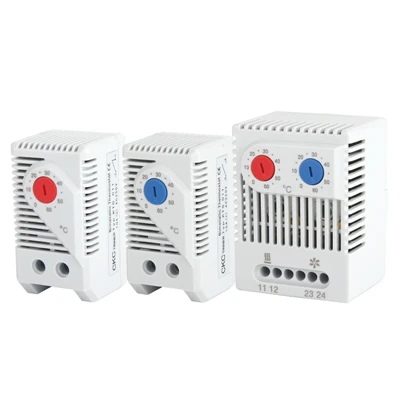
Install monitoring devices on the closed type cooling tower. Temperature sensors can help you keep track of the water temperature. If the temperature is too high, it could indicate a problem with the cooling system, such as a malfunctioning fan or a blockage in the water flow.
Pressure sensors are also important. They can detect any abnormal pressure changes in the system. For example, a sudden increase in pressure could be a sign of a blockage, while a decrease in pressure might indicate a leak.
Use a control system to regulate the operation of the cooling tower. This allows you to adjust the fan speed, water flow rate, and chemical dosing based on the actual operating conditions. By having precise control, you can ensure the safe and efficient operation of the tower.
6. Emergency Preparedness
Even with all the precautions in place, emergencies can still happen. So, it's important to be prepared. Have an emergency plan in place that outlines the steps to take in case of a fire, electrical failure, or chemical spill.
Make sure all employees are trained on the emergency plan. They should know how to shut down the cooling tower in case of an emergency, where the emergency exits are, and how to use the fire extinguishers and other safety equipment.
Keep a first - aid kit nearby. In case of minor injuries, having immediate access to a first - aid kit can make a big difference.
Other Related Industrial Cooling Equipment
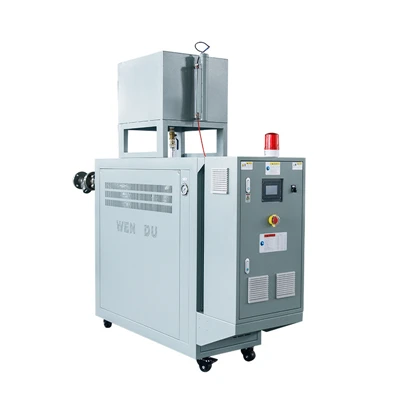
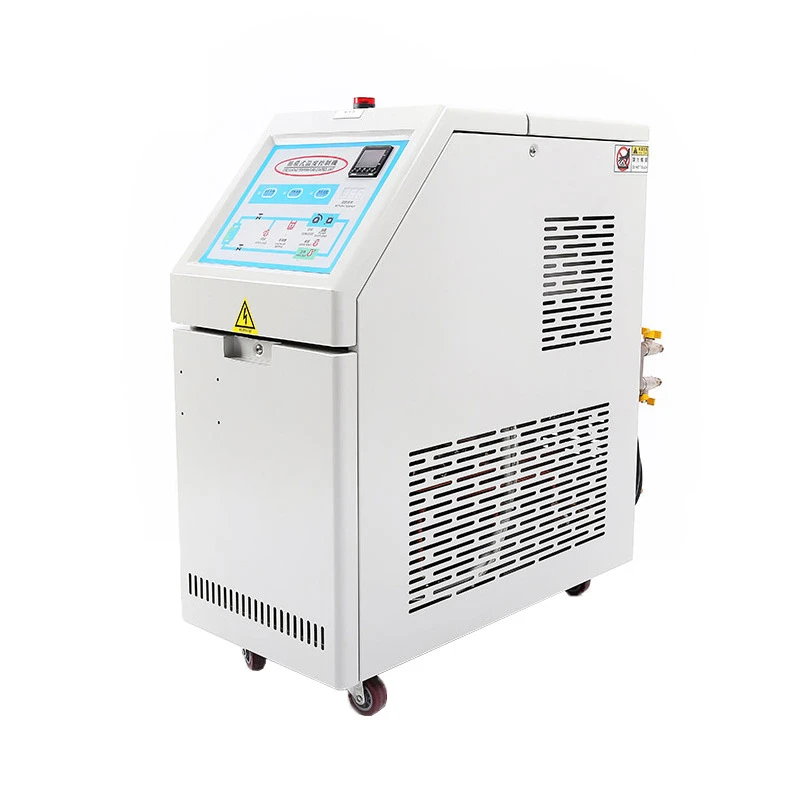
If you're in the market for other industrial cooling equipment, we also offer a range of products. Check out our Hydraulic Oil Chiller Unit, which is great for cooling hydraulic oil in various industrial applications. The Water Mold Temperature Controller helps maintain the right temperature for molds, ensuring high - quality production. Our Mould Temperature Controller Oil is designed for oil - based mold temperature control. And for water - based mold temperature control, the Water Mold Temperature Machine is a fantastic option. Of course, don't forget about our Closed Cell Cooling Tower, which is known for its high efficiency and reliability.
Wrapping Up and Reaching Out
Using a closed type cooling tower safely comes down to following these precautions, from pre - operation checks to emergency preparedness. By taking these steps, you can ensure the long - term, trouble - free operation of your cooling tower and protect the safety of your employees.
If you're interested in purchasing a closed type cooling tower or any of our other industrial cooling equipment, we'd love to talk to you. Get in touch with us to discuss your specific needs and requirements. Let's work together to find the perfect cooling solution for your business!
References
Engineering Safety Manual for Cooling Towers by Cooling System Manufacturers Association
OSHA Guidelines for Industrial Equipment Safety