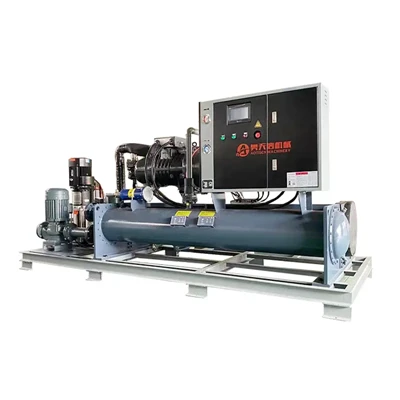
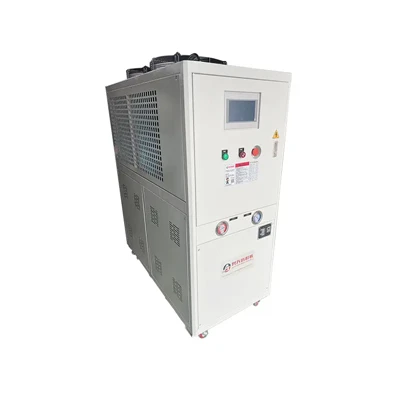
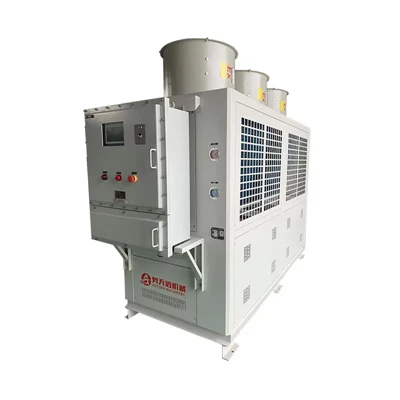
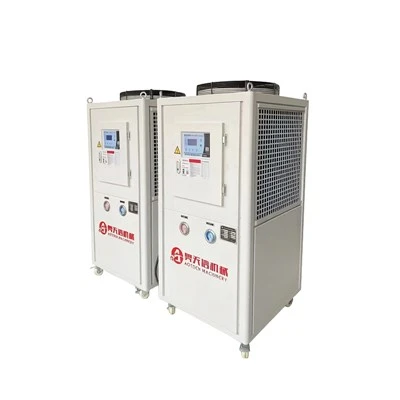
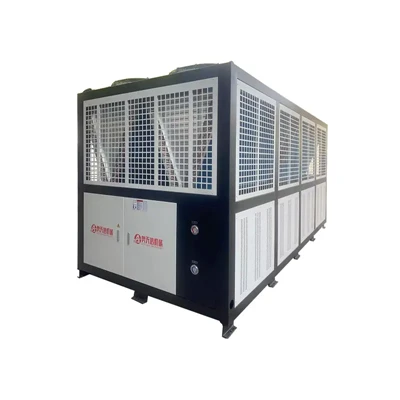
In industries where explosive environments are present, the use of explosion-proof chillers is crucial for ensuring safety and maintaining optimal operational conditions. As a supplier of Explosion Proof Chillers, I have seen firsthand the importance of proper high-voltage requirements for these specialized cooling systems. In this blog post, I will delve into the high-voltage requirements for explosion-proof chillers, exploring why they are necessary and how they ensure the safe and efficient operation of these critical components.
Understanding the Need for Explosion-Proof Chillers
Before we discuss the high-voltage requirements, it's essential to understand the role of explosion-proof chillers in hazardous environments. These chillers are designed to operate safely in areas where there is a risk of explosive gases, vapors, or dust. Industries such as oil and gas, chemical processing, pharmaceuticals, and mining often require explosion-proof chillers to prevent the ignition of potentially explosive substances.
Explosion-proof chillers are built with special features to contain any sparks or heat generated during normal operation. These features include explosion-proof enclosures, sealed electrical components, and flameproof joints. By preventing the release of ignition sources, explosion-proof chillers help to minimize the risk of explosions and protect personnel and equipment in hazardous areas.
High-Voltage Requirements for Explosion-Proof Chillers
High-voltage requirements for explosion-proof chillers are closely tied to the safety and performance of these systems. Here are some key aspects of these requirements:
1. Electrical Safety Standards
Explosion-proof chillers must comply with strict electrical safety standards to ensure safe operation in hazardous environments. These standards are set by organizations such as the National Electrical Code (NEC) in the United States and the International Electrotechnical Commission (IEC) globally.
The NEC and IEC specify requirements for electrical equipment used in hazardous locations, including explosion-proof chillers. These requirements cover aspects such as electrical insulation, grounding, and protection against short circuits and overloads. For example, explosion-proof chillers must be designed with proper electrical insulation to prevent the risk of electrical shock and to ensure that the equipment can withstand the high voltages required for operation.
2. Voltage Ratings
Explosion-proof chillers are available in a range of voltage ratings to meet the specific needs of different applications. The voltage rating of a chiller is determined by factors such as the size of the chiller, the cooling capacity required, and the electrical infrastructure of the facility.
In general, explosion-proof chillers can operate at voltages ranging from 208V to 480V or higher. Higher voltage ratings are often used for larger chillers with greater cooling capacities. It's important to select a chiller with the appropriate voltage rating to ensure that it can operate safely and efficiently in the intended application.


3. Overvoltage and Undervoltage Protection
Explosion-proof chillers are equipped with overvoltage and undervoltage protection devices to safeguard against electrical faults. Overvoltage protection devices prevent the chiller from being damaged by excessive voltage, while undervoltage protection devices ensure that the chiller does not operate when the voltage is too low.
These protection devices are essential for maintaining the reliability and longevity of the chiller. They help to prevent damage to the electrical components of the chiller and reduce the risk of system failures. For example, if the voltage exceeds the rated voltage of the chiller, the overvoltage protection device will trip and shut down the chiller to prevent damage.
4. High-Voltage Switchgear
Explosion-proof chillers often require high-voltage switchgear to control the flow of electrical power. High-voltage switchgear is used to isolate the chiller from the electrical supply during maintenance or in the event of a fault.
The switchgear must be designed to meet the specific requirements of the explosion-proof environment. It must be explosion-proof and have proper insulation to prevent the release of sparks or heat. Additionally, the switchgear must be able to handle the high voltages and currents required for the operation of the chiller.
5. Grounding and Bonding
Proper grounding and bonding are essential for the safe operation of explosion-proof chillers. Grounding provides a path for electrical current to flow safely to the ground in the event of a fault, while bonding ensures that all metal components of the chiller are electrically connected to prevent the buildup of static electricity.
Explosion-proof chillers must be grounded and bonded in accordance with the relevant electrical safety standards. This helps to prevent the risk of electrical shock and reduces the likelihood of explosions caused by static electricity.
Importance of Complying with High-Voltage Requirements
Complying with high-voltage requirements for explosion-proof chillers is of utmost importance for several reasons:
1. Safety
The primary reason for complying with high-voltage requirements is to ensure the safety of personnel and equipment in hazardous environments. By following the electrical safety standards and using proper high-voltage components, the risk of electrical shock, fires, and explosions is minimized.
2. Reliability
High-voltage requirements help to ensure the reliability of explosion-proof chillers. By using components that are designed to handle the high voltages and currents required for operation, the chiller is less likely to experience electrical failures or breakdowns. This helps to maintain the cooling capacity of the chiller and ensures that the process or equipment being cooled operates smoothly.
3. Regulatory Compliance
Complying with high-voltage requirements is also necessary to meet regulatory requirements. Many industries are subject to strict regulations regarding the use of electrical equipment in hazardous locations. Failure to comply with these regulations can result in fines, penalties, and even shutdowns of the facility.
Our Product Offerings
As a supplier of explosion-proof chillers, we offer a wide range of products to meet the diverse needs of our customers. Our EX Proof Industrial Chiller is designed to provide reliable cooling in hazardous environments. It is built with explosion-proof enclosures and sealed electrical components to prevent the release of ignition sources.
We also offer Low Temp Chiller for applications that require low-temperature cooling. These chillers are designed to operate at temperatures as low as -40°C, making them suitable for industries such as food processing and pharmaceutical manufacturing.
In addition, our Explosion Resistant Cooling Chiller is designed to withstand the impact of explosions. It is built with reinforced enclosures and shock-absorbing materials to protect the chiller from damage in the event of an explosion.
For applications that require precise temperature control, we offer High Precision Chiller. These chillers are equipped with advanced control systems to ensure accurate temperature regulation.
Conclusion
In conclusion, high-voltage requirements for explosion-proof chillers are essential for ensuring the safety, reliability, and regulatory compliance of these systems. By understanding and complying with these requirements, industries can minimize the risk of electrical hazards and ensure the smooth operation of their processes.
If you are in need of an explosion-proof chiller for your hazardous environment, we invite you to contact us for more information. Our team of experts can help you select the right chiller for your specific application and ensure that it meets all the necessary high-voltage requirements.
References
- National Electrical Code (NEC)
- International Electrotechnical Commission (IEC)
- Industry standards for explosion-proof electrical equipment