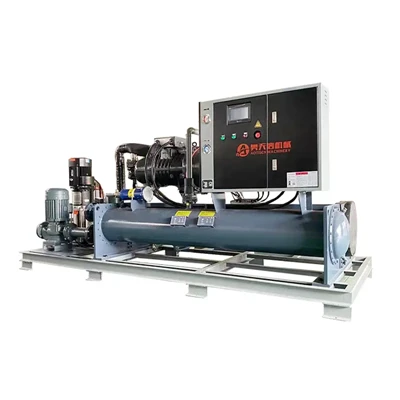
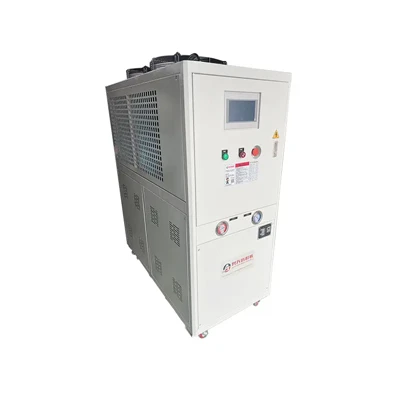
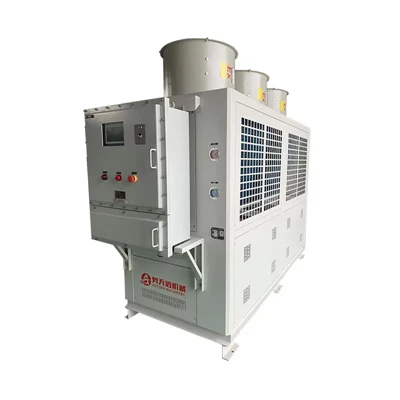
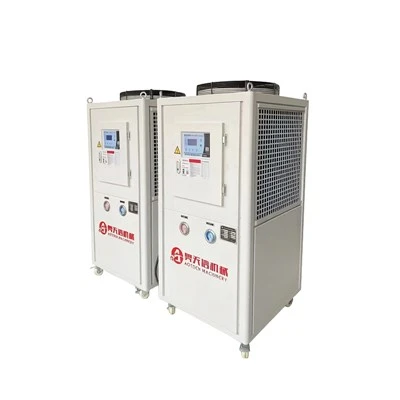
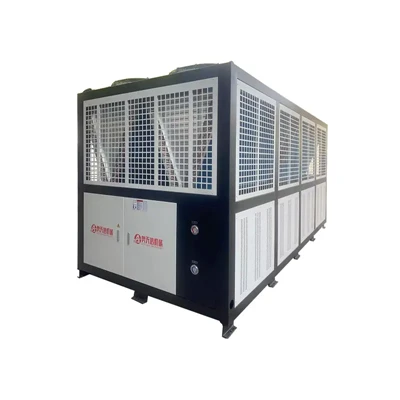
When it comes to maintaining optimal operating conditions in a factory, industrial screw chillers play a crucial role. As a leading supplier of Industrial Screw Chillers, I understand the importance of proper installation. In this blog, I will delve into the key installation requirements for industrial screw chillers in a factory setting.
Site Selection
The first step in installing an industrial screw chiller is selecting an appropriate site. The location should be well - ventilated to ensure efficient heat dissipation. Chillers generate a significant amount of heat during operation, and poor ventilation can lead to reduced efficiency and potential damage to the equipment. A well - ventilated area also helps in maintaining a stable temperature around the chiller, which is essential for its proper functioning.
The site should also be level. An uneven surface can cause stress on the chiller's components, leading to premature wear and tear. Before installation, the foundation should be checked and, if necessary, leveled using appropriate tools. The foundation must be strong enough to support the weight of the chiller, especially when it is fully loaded with refrigerant and water.
The chiller should be installed away from sources of vibration and excessive noise. Vibrations can affect the internal components of the chiller, while noise from nearby machinery can make it difficult to detect potential issues within the chiller itself. Additionally, installing the chiller in a quiet area can make it easier to perform maintenance and inspections.
Electrical Requirements
Industrial screw chillers require a reliable electrical supply. The electrical system must be sized correctly to handle the power requirements of the chiller. This includes calculating the amperage, voltage, and phase requirements. Incorrect electrical sizing can lead to overheating, tripped breakers, or even electrical fires.
Proper grounding is also essential. Grounding protects the equipment and the operators from electrical shocks. A dedicated grounding system should be installed according to local electrical codes. The electrical wiring should be of high - quality and properly installed to prevent short circuits and other electrical problems.
It is recommended to have a separate electrical panel for the chiller. This allows for better control and isolation of the chiller's electrical system. In case of an electrical issue, the chiller can be easily shut down without affecting other equipment in the factory.
Water Supply and Drainage
For Water Cooled Screw Compressor, Water Screw Chiller and Screw Water Chiller, a reliable water supply is necessary. The water should be clean and free from impurities such as dirt, sand, and chemicals. Impurities in the water can cause blockages in the chiller's water circuits, reducing its efficiency and potentially causing damage to the heat exchangers.
The water supply pressure and flow rate must be within the manufacturer's specified range. Insufficient water flow can lead to overheating of the chiller, while excessive pressure can damage the water pipes and fittings. A water treatment system may be required to ensure the water quality meets the chiller's requirements.
Proper drainage is also important. The chiller produces condensate water during operation, and it needs to be drained away effectively. The drainage system should be designed to prevent water from pooling around the chiller, which can cause corrosion and other problems. The drainage pipes should be of the appropriate size and slope to ensure proper flow.
Refrigerant Handling
Refrigerant is a critical component of industrial screw chillers. The refrigerant must be handled with care during installation. Only trained and certified technicians should perform refrigerant charging and recovery operations. Incorrect refrigerant handling can lead to environmental pollution, as well as reduced chiller performance.


The refrigerant type and charge amount must be in accordance with the chiller's specifications. Over - charging or under - charging the refrigerant can cause the chiller to operate inefficiently or even malfunction. When installing the chiller, the refrigerant lines should be properly sized and installed to minimize pressure drops.
Piping Installation
The piping for the water and refrigerant systems is a vital part of the chiller installation. The pipes should be made of high - quality materials that are resistant to corrosion and pressure. Copper pipes are commonly used for refrigerant lines, while steel or PVC pipes may be used for water lines.
Proper pipe sizing is essential to ensure efficient flow of water and refrigerant. Undersized pipes can cause high pressure drops, reducing the chiller's performance. The pipes should be installed with proper supports to prevent sagging and vibration. Additionally, all pipe joints should be sealed tightly to prevent leaks.
Safety Considerations
Safety is of utmost importance during the installation of industrial screw chillers. All installation work should comply with local safety regulations and standards. Workers should wear appropriate personal protective equipment (PPE), such as safety glasses, gloves, and hard hats.
The chiller should be installed with proper safety devices, such as pressure relief valves, temperature sensors, and emergency stop buttons. These devices help to prevent accidents and protect the equipment and operators. Adequate access for maintenance and inspection should also be provided during the installation process.
Commissioning and Testing
After the installation is complete, the chiller should undergo a thorough commissioning and testing process. This includes checking the electrical connections, water flow, refrigerant charge, and overall performance of the chiller. The chiller should be tested under different load conditions to ensure it can operate efficiently and reliably.
Any issues identified during the commissioning and testing should be addressed immediately. This may involve adjusting the settings, tightening the pipes, or replacing faulty components. Only after the chiller has passed all the tests can it be considered ready for normal operation.
Maintenance and Support
Proper maintenance is essential for the long - term performance of industrial screw chillers. As a supplier, I provide comprehensive maintenance plans to ensure that our customers' chillers operate at their best. Regular maintenance includes tasks such as cleaning the condensers, checking the refrigerant levels, and inspecting the electrical components.
In addition to maintenance, we also offer technical support to our customers. Our team of experts is available to answer any questions and provide assistance in case of any issues with the chiller.
If you are in the market for Industrial Screw Chillers or need advice on their installation, our team is here to help. We have the expertise and experience to ensure that your factory's cooling needs are met effectively. Contact us today to discuss your requirements and start the procurement process.
References
"Industrial Refrigeration Handbook".
"Installation and Maintenance Guide for Screw Chillers" provided by relevant industry manufacturers.