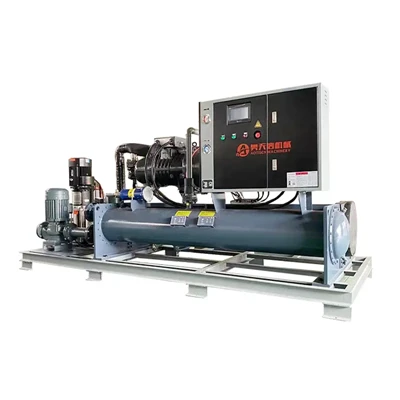
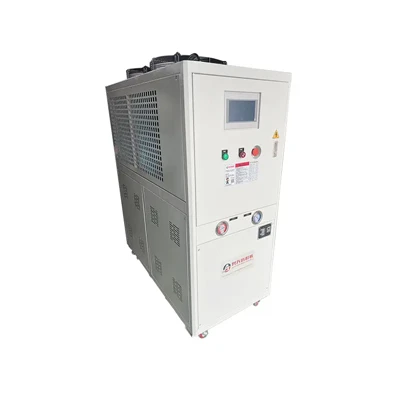
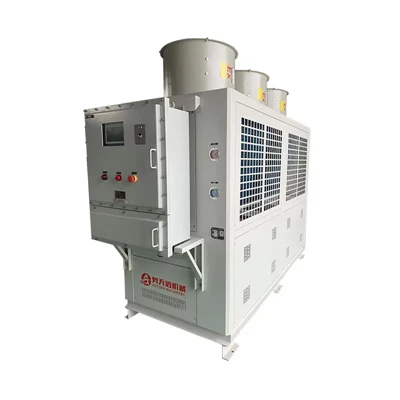
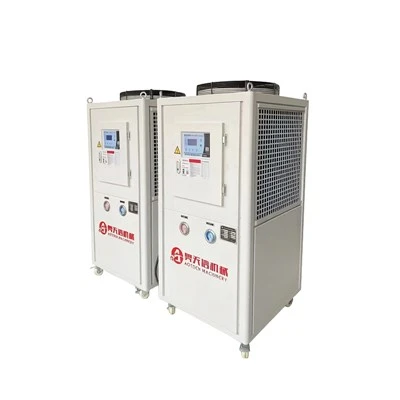
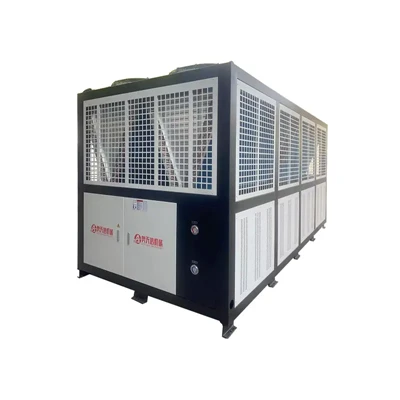
Hey there! If you're into the world of cooling systems, you've probably heard about the Rotary Screw Chiller. As a supplier of these nifty machines, I've seen firsthand how important proper maintenance is. So, let's dive into what the maintenance of a Rotary Screw Chiller is all about.
Why Maintenance Matters
First off, why should you even bother with maintenance? Well, a well - maintained Rotary Screw Chiller is like a well - tuned car. It runs more efficiently, lasts longer, and saves you money in the long run. When a chiller isn't maintained, it can start to consume more energy, break down more often, and end up costing you a fortune in repairs.
Regular Inspections
Regular inspections are the cornerstone of chiller maintenance. You should be checking your chiller at least once a month. During these inspections, take a good look at the physical condition of the chiller. Check for any signs of leaks, like water pooling around the unit or refrigerant stains. Leaks can not only lead to a loss of cooling capacity but can also be hazardous.
Inspect the electrical connections too. Loose wires can cause short circuits or overheating, which can fry your chiller's components. Make sure all the terminals are tight and there are no signs of corrosion.
The belts on your chiller, if it has any, also need attention. Check for signs of wear and tear, like cracks or fraying. A worn - out belt can slip, causing the compressor to work less efficiently or even stop working altogether.
Cleaning the Condenser and Evaporator
The condenser and evaporator are two crucial components of a Water Cooled Screw Compressor. They're responsible for transferring heat, and if they get dirty, they won't work as well.
The condenser coils can accumulate dirt, dust, and debris over time. This buildup acts as an insulator, making it harder for the condenser to release heat. You can clean the condenser coils using a soft brush or a low - pressure air compressor. Just be gentle so you don't damage the coils.


The evaporator also needs to be kept clean. A dirty evaporator can lead to a decrease in cooling capacity and can even cause the refrigerant to freeze. You can clean the evaporator using a mild detergent and water. Make sure to rinse it thoroughly and let it dry completely before starting the chiller again.
Refrigerant Levels
Refrigerant is the lifeblood of your Rotary Screw Chiller. It's what absorbs and releases heat to cool the air or water. If the refrigerant level is too low, the chiller won't be able to cool effectively. On the other hand, if it's too high, it can put extra strain on the compressor and other components.
You should regularly check the refrigerant levels. However, this isn't a job for amateurs. It requires special equipment and knowledge. It's best to hire a professional technician to do this for you. They can also check for any refrigerant leaks and repair them if necessary.
Lubrication
If your chiller has moving parts, like the compressor, they need to be lubricated. Lubrication reduces friction between the parts, which in turn reduces wear and tear and extends the lifespan of the components.
Check the lubricant levels regularly and make sure they're at the recommended level. If the lubricant looks dirty or contaminated, it should be changed. Using the right type of lubricant is also crucial. The manufacturer's guidelines will tell you what type of lubricant to use.
Water Quality
For Water Screw Chiller and Screw Water Chiller, water quality is a big deal. Poor water quality can lead to scale buildup in the pipes and heat exchangers. Scale acts as an insulator, reducing the efficiency of the chiller.
You should test the water regularly for hardness, pH level, and the presence of impurities. If the water is too hard, you may need to install a water softener. Treat the water with chemicals to prevent the growth of bacteria and algae. This will help keep your chiller running smoothly.
Monitoring System
Investing in a monitoring system for your Industrial Screw Chillers is a smart move. A monitoring system can continuously track the performance of your chiller, including temperature, pressure, and energy consumption.
If there are any issues, the monitoring system can alert you immediately. This allows you to address problems before they turn into major breakdowns. You can also use the data collected by the monitoring system to analyze the chiller's performance over time and make adjustments as needed.
Professional Maintenance
While you can do some basic maintenance tasks yourself, it's important to have a professional technician service your Rotary Screw Chiller at least once a year. A professional has the expertise and tools to perform a comprehensive inspection and maintenance.
They can do things like checking the compressor's performance, calibrating the controls, and performing any necessary repairs. A professional maintenance service can help ensure that your chiller is running at its best and can extend its lifespan.
Conclusion
To sum it up, maintaining a Rotary Screw Chiller is all about regular inspections, cleaning, checking refrigerant levels, lubrication, monitoring water quality, and having professional service. By taking good care of your chiller, you can enjoy efficient cooling, lower energy costs, and fewer breakdowns.
If you're in the market for a Rotary Screw Chiller or need more information about maintenance, don't hesitate to reach out. We're here to help you make the best choice for your cooling needs and ensure that your chiller runs smoothly for years to come.
References
- ASHRAE Handbook - HVAC Systems and Equipment
- Manufacturer's manuals for Rotary Screw Chillers