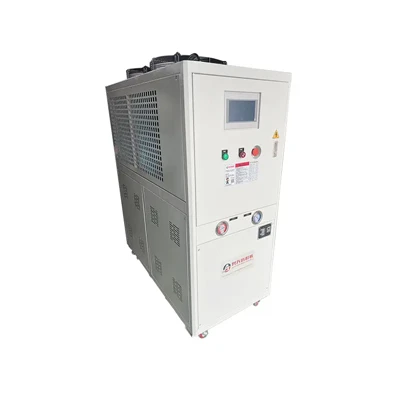
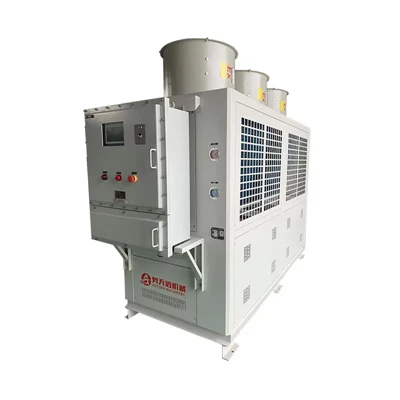
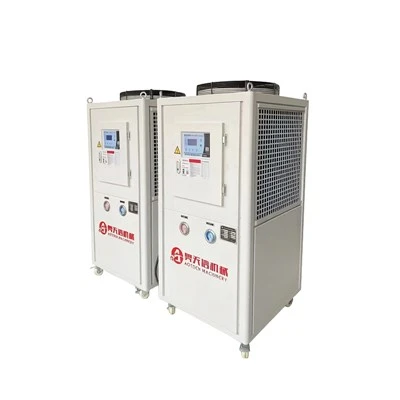
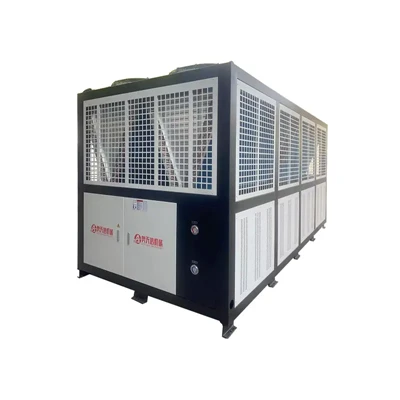
When it comes to the operation of industrial equipment, maintenance is a crucial aspect that directly affects performance, longevity, and cost - effectiveness. One such piece of equipment is the screw water chiller, which is widely used in various industries for cooling purposes. As a supplier of Screw Water Chiller, I often encounter the question: "Does a screw water chiller require a lot of maintenance?" In this blog, we will delve into this topic to provide a comprehensive answer.
Understanding Screw Water Chillers
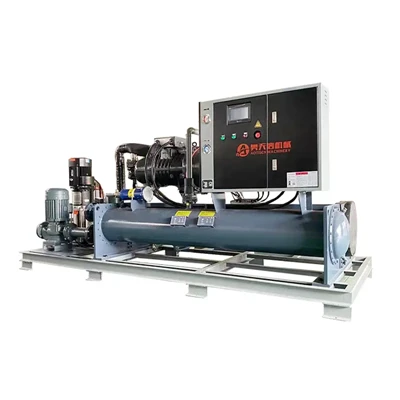
Before discussing maintenance requirements, it's essential to understand what a screw water chiller is. A screw water chiller is a type of refrigeration system that uses a screw compressor to circulate refrigerant and remove heat from a process or a space. The screw compressor, which consists of two meshing helical rotors, is the heart of the chiller. These chillers are known for their high efficiency, reliability, and ability to handle large cooling loads, making them popular in industrial applications such as manufacturing, food and beverage production, and data centers.
Factors Affecting Maintenance Requirements
1. Compressor Type and Design
The screw compressor is a critical component in a screw water chiller, and its design and quality can significantly impact maintenance needs. Modern Rotary Screw Chillers are engineered with advanced technology, such as precision - machined rotors and improved lubrication systems. These features reduce wear and tear on the compressor, resulting in less frequent maintenance. For example, some of the latest screw compressors have a service interval of thousands of operating hours before major maintenance is required.
However, if the compressor is of poor quality or has a less - optimized design, it may experience more frequent issues. For instance, an inferior lubrication system might lead to insufficient lubrication of the rotors, causing increased friction and premature wear. This would then necessitate more frequent maintenance and potentially higher replacement costs.
2. Operating Conditions
The environment in which the screw water chiller operates plays a vital role in determining its maintenance requirements. In industries where the chiller is exposed to harsh conditions, such as high humidity, high dust levels, or corrosive substances, more maintenance will be needed.
For example, in a manufacturing plant with a lot of dust, the air filters of the chiller need to be checked and cleaned or replaced more often. Otherwise, a clogged air filter can restrict the airflow, reducing the chiller's efficiency and potentially causing the compressor to overheat. Similarly, in a coastal area with a high salt content in the air, the condenser coils may corrode faster, requiring more frequent inspections and anti - corrosion treatments.
3. Water Quality
Since water is used as a cooling medium in Water Screw Chillers, the quality of the water can have a substantial impact on maintenance. Water with high levels of minerals and impurities can cause scaling and fouling on the heat exchanger surfaces. Scale buildup reduces the heat transfer efficiency of the chiller, increasing energy consumption and potentially damaging the equipment.
To prevent this, regular water treatment and monitoring are necessary. This may involve installing water treatment systems to remove impurities and adjusting the water chemistry to prevent scaling and corrosion. Additionally, periodic cleaning of the heat exchangers is required to maintain optimal performance.
Routine Maintenance Tasks
1. Inspection
Regular inspections are fundamental to ensuring the proper functioning of a screw water chiller. Visual inspections can help detect early signs of wear, leaks, or other issues. For example, checking for refrigerant leaks around the compressor, valves, and piping connections is crucial. A refrigerant leak not only reduces the cooling capacity of the chiller but can also be harmful to the environment.
Inspecting the electrical components, such as motors, controls, and wiring, is also essential to prevent electrical faults. Loose connections or damaged wiring can lead to equipment failure or even pose a safety hazard.
2. Lubrication
Screw compressors rely on lubrication to reduce friction between the rotating components and to seal the compression chambers. Regularly checking the lubricant level and quality is necessary. Over time, the lubricant can degrade due to heat, moisture, and contaminants. If the lubricant is not changed at the recommended intervals, it may lose its effectiveness, leading to increased wear on the compressor.


3. Filter Replacement
As mentioned earlier, filters play a crucial role in protecting the chiller from dust and debris. Air filters and water filters need to be replaced at regular intervals. A clogged filter can cause the chiller to work harder, increasing energy consumption and potentially causing damage to other components.
Comparing Maintenance Requirements with Other Chiller Types
When compared to some other types of chillers, such as reciprocating chillers, screw water chillers generally have lower maintenance requirements. Reciprocating chillers have more moving parts, such as pistons and valves, which are subject to wear and tear. This means that they often require more frequent maintenance, including piston ring replacements and valve adjustments.
On the other hand, screw water chillers have fewer moving parts in the compressor, which simplifies the maintenance process. However, the overall maintenance workload still depends on the specific operating conditions and the quality of the equipment, as discussed earlier.
Reducing Maintenance Requirements
As a supplier, we offer solutions to help reduce the maintenance burden of our Screw Water Chillers. We provide high - quality chillers with advanced technology and design features that minimize wear and tear. For example, our Water Cooled Screw Compressors are engineered with precision - made rotors and reliable lubrication systems, which extend the service life between maintenance intervals.
We also offer comprehensive after - sales services, including installation, commissioning, and maintenance training. Our technical support team can provide guidance on proper operating procedures and preventive maintenance plans, helping customers optimize the performance of their chillers and reduce maintenance costs.
Conclusion
In conclusion, whether a screw water chiller requires a lot of maintenance depends on several factors, such as compressor type, operating conditions, and water quality. While modern screw water chillers are generally designed to be reliable and require less maintenance compared to some other chiller types, they still need regular inspections, lubrication, and filter replacement to ensure optimal performance and longevity.
As a supplier of Industrial Screw Chillers, we are committed to providing high - quality products and excellent after - sales service to meet your cooling needs. If you are considering purchasing a screw water chiller for your industrial process, or if you want to discuss how to optimize the maintenance of your existing chiller, please do not hesitate to reach out to us. We look forward to the opportunity to work with you and provide you with the best solutions for your cooling requirements.
References
– ASHRAE Handbook: Refrigeration, American Society of Heating, Refrigerating and Air - Conditioning Engineers
– Manufacturer's manuals for screw water chillers
– Industry reports on industrial refrigeration and chiller maintenance