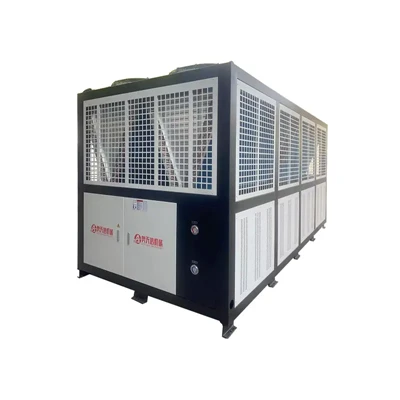
Hey there! As a supplier of screw chillers, I often get asked about the part - load performance of these cool machines. So, let's dig into what part - load performance is all about and why it matters for screw chillers.
Understanding Part - Load Performance
First off, what do we mean by "part - load performance"? Well, in the real world, most of the time, chillers don't operate at their full capacity. Full - load operation is like a sprinter going all out for a short burst. But in day - to - day use, chillers are more like long - distance runners, working at a more sustainable pace. Part - load refers to the situation when a chiller is running at less than its maximum capacity.
For screw chillers, part - load performance is crucial because it reflects how well the chiller can adapt to changing cooling demands. Think about an office building. During the early morning or late evening, the cooling demand is much lower than during the middle of the day when everyone is working, and the sun is shining bright. A chiller with good part - load performance can adjust its output to match these varying demands efficiently.
Why Part - Load Performance is a Big Deal
There are several reasons why part - load performance is so important for screw chillers.
Energy Efficiency
One of the most significant benefits is energy savings. A chiller that operates efficiently at part - load can use less energy. Since buildings typically operate at part - load conditions for a large portion of the time, even a small improvement in part - load efficiency can lead to substantial energy savings over the long run. This not only helps the building owners cut down on their electricity bills but also reduces the environmental impact.
System Reliability
Good part - load performance also means the chiller doesn't have to constantly go through the stress of starting and stopping. When a chiller starts up, it requires a significant amount of energy, and repeated start - stop cycles can put a lot of wear and tear on the components. A chiller that can smoothly adjust its capacity according to the load is less likely to experience mechanical failures, which means fewer maintenance issues and longer equipment life.
How Screw Chillers Achieve Good Part - Load Performance
Now, let's talk about how screw chillers manage to perform well at part - load.
Variable Capacity Control
One of the key features of screw chillers for good part - load performance is variable capacity control. This allows the chiller to change its cooling output in response to the actual cooling demand. For example, through techniques like slide valve control, the compressor can adjust its compression ratio, effectively reducing the amount of refrigerant it processes and thus the cooling capacity.
Advanced Control Systems
Modern screw chillers are equipped with advanced control systems. These systems can monitor various parameters, such as the temperature of the chilled water, the outdoor temperature, and the load on the building. Based on these real - time data, the control system can make precise adjustments to the chiller's operation, ensuring optimal performance at all times.
Factors Affecting Part - Load Performance
There are a few factors that can influence the part - load performance of screw chillers.
Refrigerant Properties
The type of refrigerant used in the chiller plays an important role. Different refrigerants have different thermodynamic properties, which can affect how the chiller operates at different loads. Some refrigerants are more efficient at part - load conditions, while others are better suited for full - load operation.
Compressor Design
The design of the screw compressor itself is also crucial. A well - designed compressor can handle part - load operation more smoothly. Things like the shape of the screw rotors, the internal clearances, and the lubrication system can all impact the compressor's performance at different loads.
Our Screw Chillers and Part - Load Performance
As a supplier, we're really proud of the screw chillers we offer. Each of our models is engineered to deliver excellent part - load performance.
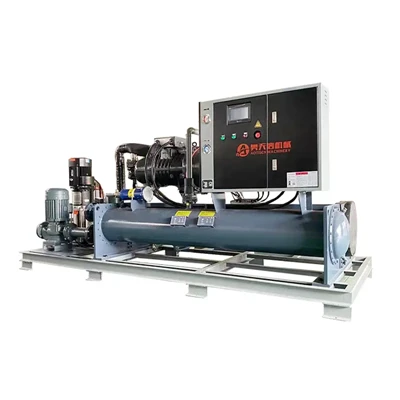
We have a range of options, including Water Cooled Screw Compressor. These water - cooled units are great for applications where water is readily available for cooling. They're designed to operate efficiently whether they're running at full capacity during peak demand or at a reduced load during quieter periods.
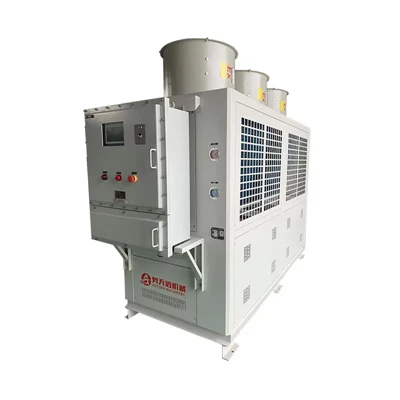
Our Industrial Screw Chillers are built to handle the tough demands of industrial environments. They're robust and can adapt to the fluctuating cooling requirements often found in factories and manufacturing plants.
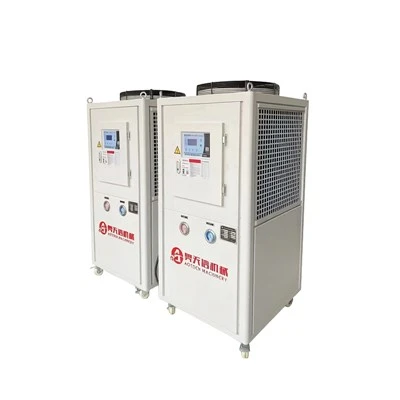
The Rotary Screw Chiller is another popular choice. It offers smooth and reliable operation, with excellent part - load efficiency. This type of chiller is suitable for a wide variety of applications, from commercial buildings to data centers.
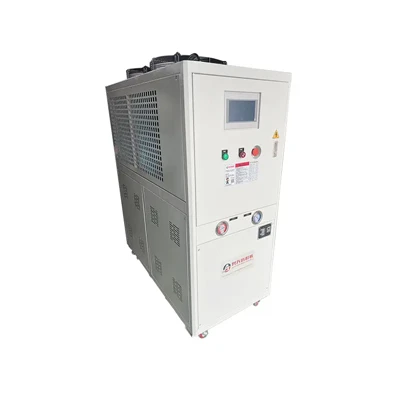
We also have Water Screw Chiller and Screw Water Chiller options. These chillers are optimized for water - based cooling systems and can provide efficient cooling even when the load is low.
Making the Right Choice
When you're looking for a screw chiller, it's important to consider the part - load performance. You need to think about the typical cooling load profile of your application. If your building or facility has a lot of part - load operation, then choosing a chiller with good part - load efficiency can save you a lot of money in the long term.
We're here to help you make the right decision. Our team of experts can analyze your specific requirements and recommend the best screw chiller for your needs. Whether you need a chiller for a small office or a large industrial complex, we've got you covered.


Let's Talk
If you're interested in learning more about our screw chillers and their part - load performance, don't hesitate to reach out. We're always happy to have a chat and answer any questions you might have. Whether you're just starting to research or you're ready to make a purchase, we're here to assist you every step of the way.
References
- ASHRAE Handbook - HVAC Systems and Equipment.
- Chiller Manufacturer's Technical Documentation.