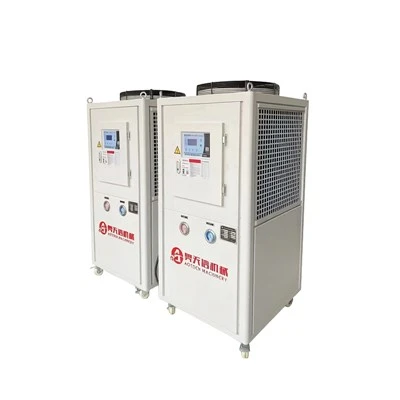
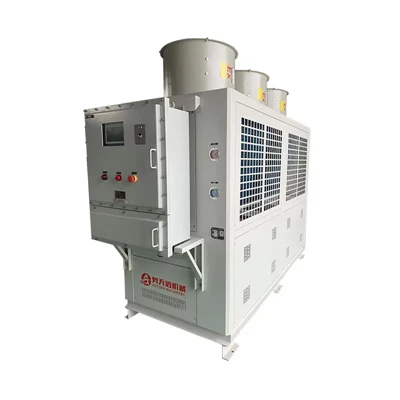
Hey there! I'm really excited to share some insights on how a closed type cooling tower can prevent scale formation. As a supplier of closed type cooling towers, I've seen firsthand the challenges and solutions when it comes to scale issues. So, let's dive right in!
Understanding Scale Formation
First off, we gotta know what scale is and how it forms. Scale is basically a hard, crusty deposit that builds up inside the cooling tower system. It mainly consists of minerals like calcium carbonate, calcium sulfate, and magnesium hydroxide. These minerals are naturally present in water. When the water in the cooling tower gets heated during the cooling process, the solubility of these minerals decreases. As a result, they start to precipitate out and stick to the surfaces of pipes, heat exchangers, and other components of the cooling tower.
Scale formation is a big headache. It can reduce the efficiency of the cooling tower significantly. The scale acts as an insulator, which means it makes it harder for heat to transfer. So, your cooling tower has to work harder to achieve the same level of cooling, which leads to higher energy consumption. It can also cause blockages in pipes, reducing the flow of water and potentially causing damage to the equipment over time.
How Closed Type Cooling Towers Prevent Scale
1. Isolation of the Cooling Water
One of the major advantages of a closed type cooling tower is that it separates the process water from the external environment. In an open cooling tower, the process water is exposed to the air, which means it can pick up all kinds of contaminants, including dust, dirt, and airborne minerals. These contaminants can contribute to scale formation.
In a closed type cooling tower, the process water circulates in a closed loop. It's usually cooled by a secondary water circuit that comes into contact with the air. Since the process water is not exposed directly to the outside air, it's less likely to accumulate the impurities that lead to scale. This isolation is a game - changer in preventing scale formation.
2. Use of High - Quality Fill Material
The fill material in a cooling tower plays a crucial role in the cooling process. In a closed type cooling tower, we use high - quality fill materials that are designed to minimize scale formation. These fill materials have a smooth surface, which makes it difficult for scale deposits to adhere to them.
Moreover, the design of the fill promotes efficient heat transfer and water distribution. It allows the water to flow evenly through the tower, reducing the likelihood of hot spots where minerals are more likely to precipitate. This even flow also helps in maintaining a consistent water temperature, which is important for preventing scale formation.


3. Chemical Treatment
Chemical treatment is another key strategy in preventing scale in closed type cooling towers. We add special chemicals to the water to control the pH level and prevent the precipitation of minerals. For example, scale inhibitors are commonly used. These chemicals work by interfering with the crystal growth of scale - forming minerals. They prevent the minerals from sticking together and forming large deposits.
Corrosion inhibitors are also added to protect the metal components of the cooling tower. When metal corrodes, it can release metal ions into the water, which can contribute to scale formation. By preventing corrosion, we can also reduce the risk of scale.
However, it's important to note that chemical treatment needs to be carefully monitored. The wrong amount of chemicals can cause problems, such as foaming or environmental issues. So, as a supplier, we offer services to help our customers manage their chemical treatment programs effectively.
4. Filtration Systems
Closed type cooling towers often come equipped with advanced filtration systems. These filters can remove suspended solids from the water before they have a chance to contribute to scale formation. There are different types of filters available, such as sediment filters, cartridge filters, and activated carbon filters.
Sediment filters are great for removing larger particles like sand and dirt. Cartridge filters, on the other hand, can trap smaller particles and even some microorganisms. Activated carbon filters are useful for removing organic contaminants that can react with minerals and promote scale formation. By regularly changing the filters, we can keep the water clean and reduce the risk of scale.
The Benefits of Scale Prevention for Your Business
Preventing scale in your closed type cooling tower can bring a lot of benefits to your business. As I mentioned earlier, it can improve the efficiency of the cooling tower, which means lower energy costs. You'll be using less electricity to achieve the same level of cooling, and that can really add up over time.
It also extends the lifespan of your equipment. Since scale can cause damage to pipes, heat exchangers, and other components, preventing it means you'll have to replace these parts less often. This saves you money on maintenance and replacement costs.
In addition, a scale - free cooling tower ensures a more reliable operation. You won't have to worry about unexpected breakdowns due to scale - related issues, which can disrupt your production process. So, it's a win - win situation for your business.
Related Products You Might Be Interested In
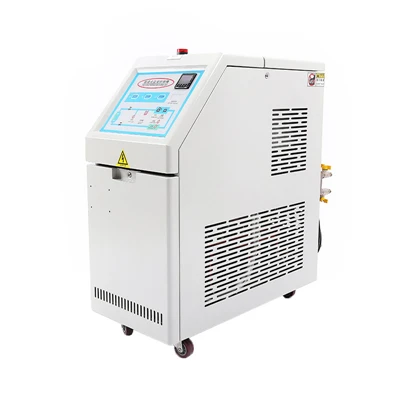
If you're in the market for industrial cooling equipment, we also offer other products that might suit your needs. For example, we have Mould Temperature Controller Oil, which is great for controlling the temperature of molds in various industrial processes. We also have Water Mold Temperature Machine and Mold Heater Controller, which are essential for maintaining the right temperature in mold applications.
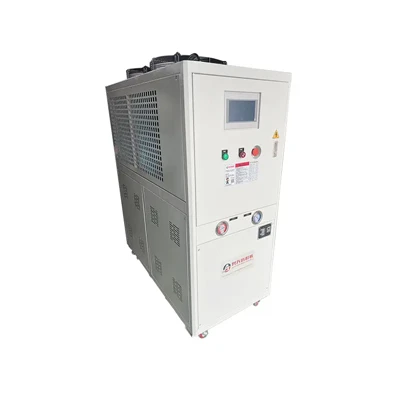
And if you need to cool hydraulic oil, our Hydraulic Oil Chiller Unit is a great option. We also offer Water Mold Temperature Controller for precise temperature control in water - based mold systems.
Let's Talk
If you're interested in preventing scale in your cooling tower or looking for any of our industrial cooling equipment, I'd love to have a chat with you. Our team of experts can help you find the right solution for your specific needs. Whether you need advice on chemical treatment, filtration systems, or a new closed type cooling tower, we're here to assist. So, don't hesitate to reach out and let's start the conversation!
References
- "Handbook of Industrial Cooling Towers" by R. Ariaratnam
- "Cooling Tower Fundamentals and Applications" by Joe T. Watson
- Industry research reports on industrial cooling systems