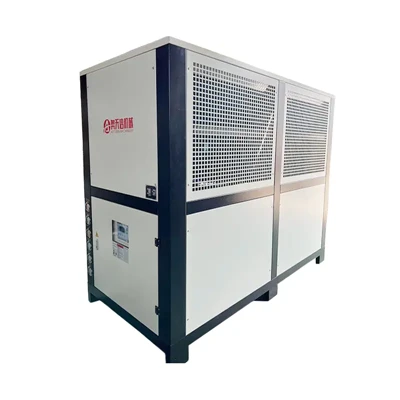
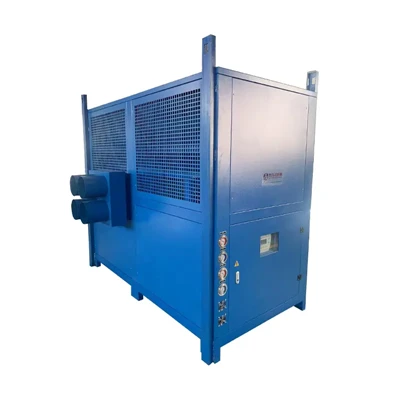
Hey there! As a supplier of Air Cooled Industrial Oil Coolers, I often get asked about how often these coolers should be maintained. It's a crucial question because proper maintenance not only ensures the longevity of the cooler but also its efficient operation. Let's dive right into it.
Factors Affecting Maintenance Frequency
First off, there are several factors that can influence how often you need to maintain an air cooled industrial oil cooler. One of the most significant factors is the operating environment. If the cooler is placed in a dirty or dusty environment, it's going to require more frequent maintenance. Dust and debris can accumulate on the fins of the cooler, reducing its ability to dissipate heat effectively. For example, in a manufacturing plant where there's a lot of metal shavings and dust in the air, the cooler might need maintenance every few months.
Another factor is the usage intensity. If the cooler is running continuously, it's going to experience more wear and tear compared to one that's used intermittently. A cooler that's used 24/7 in a high - demand industrial process will likely need more regular maintenance than one that's only used a few hours a day.
The quality of the oil being cooled also plays a role. If the oil contains a lot of contaminants, it can cause clogging in the cooler's internal components. This means that coolers used with dirty or low - quality oil may need more frequent maintenance to prevent blockages.
General Maintenance Intervals
Based on industry standards and my experience as a supplier, here are some general guidelines for maintenance intervals.
Daily Checks
It's a good idea to do some basic checks on a daily basis. You should visually inspect the cooler for any obvious signs of damage, such as leaks or bent fins. Check the oil level and make sure it's within the recommended range. Also, listen for any unusual noises coming from the cooler, as this could indicate a problem with the fan or other components.
Weekly Checks
On a weekly basis, you can perform more in - depth checks. Clean the air intake and outlet grilles to remove any accumulated dust. Check the electrical connections to ensure they're tight and free of corrosion. You can also monitor the temperature of the oil and the cooler itself to make sure they're operating within the normal range.
Monthly Checks
Monthly maintenance should include a more thorough inspection. Check the fan blades for any signs of wear or damage. Lubricate the fan bearings if necessary. Inspect the hoses and pipes for any signs of leaks or cracks. You might also want to test the pressure sensors to make sure they're working correctly.
Quarterly Checks
Every three months, it's time for a comprehensive maintenance session. Clean the condenser coils using a soft brush or compressed air. This will help improve the heat transfer efficiency of the cooler. Check the refrigerant level and make sure it's at the proper level. You should also perform a performance test on the cooler to see if it's still meeting the required cooling capacity.
Annual Checks
Once a year, a full - scale maintenance is recommended. This includes disassembling the cooler and inspecting all internal components. Replace any worn - out parts, such as gaskets, seals, and filters. Have the cooler professionally serviced to ensure that all systems are working optimally.
Importance of Regular Maintenance
Regular maintenance is not just about keeping the cooler running; it's also about saving money in the long run. A well - maintained cooler operates more efficiently, which means it uses less energy. This can result in significant cost savings on your electricity bill.
Moreover, proper maintenance can prevent breakdowns and costly repairs. By catching small problems early, you can avoid major malfunctions that could shut down your industrial process. This helps to maintain productivity and avoid any potential losses due to downtime.
Our Other Industrial Cooling Products
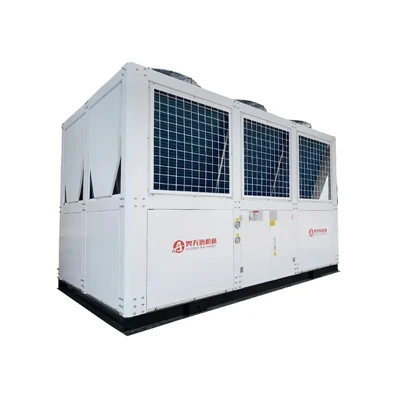
If you're in the market for other industrial cooling solutions, we also offer a range of products. Check out our Air Cooled Process Chiller, which is great for a variety of industrial applications. We also have Portable Industrial Chillers that are perfect for smaller operations or for situations where you need to move the chiller around.
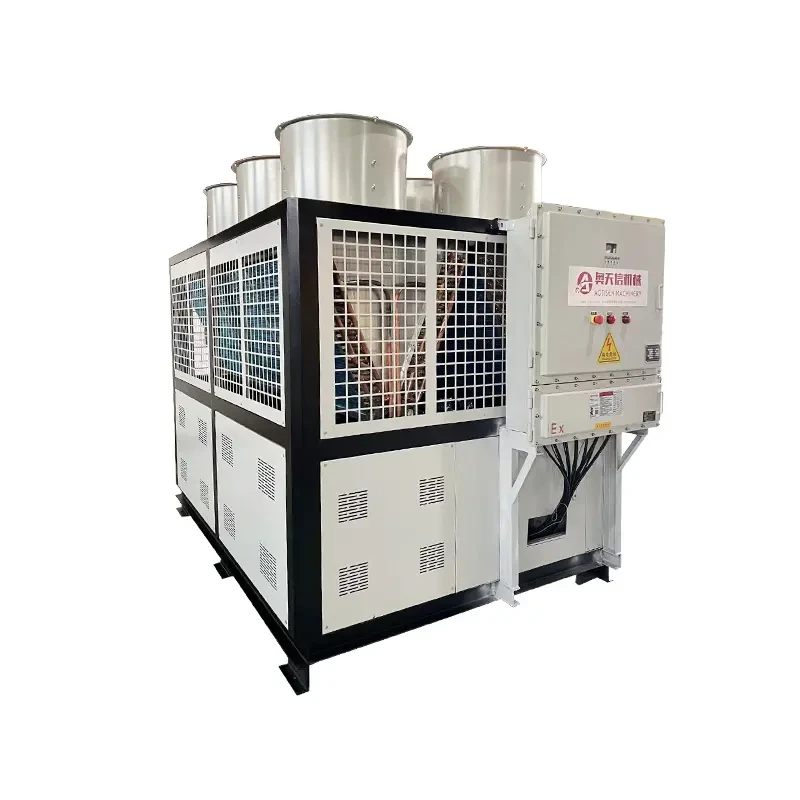

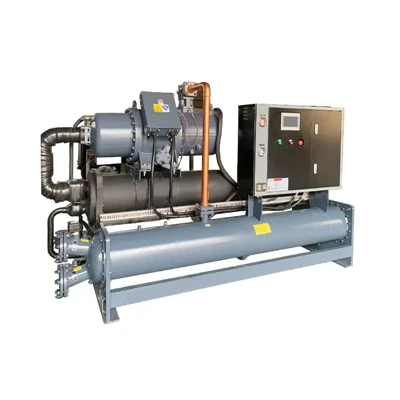
For those who prefer water - based cooling, our Water Chiller for Industrial Use and Low Temperature Water Chiller are excellent options. And of course, our Air Cooled Industrial Oil Cooler is designed to provide reliable and efficient cooling for your industrial oil.
Contact Us for More Information
If you have any questions about the maintenance of our air cooled industrial oil coolers or if you're interested in purchasing one of our products, don't hesitate to reach out. We're here to help you find the best cooling solution for your industrial needs. Whether you're a small business or a large - scale industrial operation, we have the expertise and products to meet your requirements.
References
- "Industrial Cooling Systems: Maintenance and Best Practices" by Industrial Cooling Association
- "Guide to Air Cooled Oil Coolers" published by the Institute of Industrial Technology