Operating an industrial air cooler correctly is crucial to ensure its optimal performance, energy efficiency, and longevity. As a supplier of industrial air coolers, I've seen firsthand how improper operation can lead to issues like reduced cooling capacity, higher energy bills, and even premature equipment failure. In this blog post, I'll share some tips on how to operate your industrial air cooler the right way.
Pre - operation Checks
Before you start up your industrial air cooler, it's essential to do a quick inspection. First, take a look at the power supply. Make sure the voltage and frequency match the requirements of the cooler. You don't want to fry your unit by plugging it into an incompatible power source.
Next, check the water tank. If your cooler uses water for evaporation cooling (which most industrial ones do), ensure that the tank is filled to the recommended level. Low water levels can lead to poor cooling performance. Also, inspect the water pump. Listen for any unusual noises when you briefly turn it on. A malfunctioning pump won't circulate water properly, and that means less cooling.
Inspect the air intake and outlet. There shouldn't be any blockages. Remove any debris, dust, or objects that might be obstructing the airflow. A blocked intake can cause the cooler to work harder than it needs to, consuming more energy and potentially overheating.
Starting the Cooler
Once you've completed the pre - operation checks, it's time to start the cooler. First, turn on the power switch. You might hear the fan start to spin and the pump begin to circulate water if it's an evaporative cooler.
If your cooler has a speed control feature, start at a lower speed and gradually increase it. This gives the cooler a chance to adjust and prevents sudden surges in power consumption. Some coolers also have a timer function. You can set it according to your needs, especially if you want the cooler to run for a specific period.
During Operation
While the industrial air cooler is running, there are a few things you should keep an eye on. Monitor the temperature and humidity in the area. You can use a thermometer and a hygrometer for this. The goal is to maintain a comfortable and work - friendly environment.
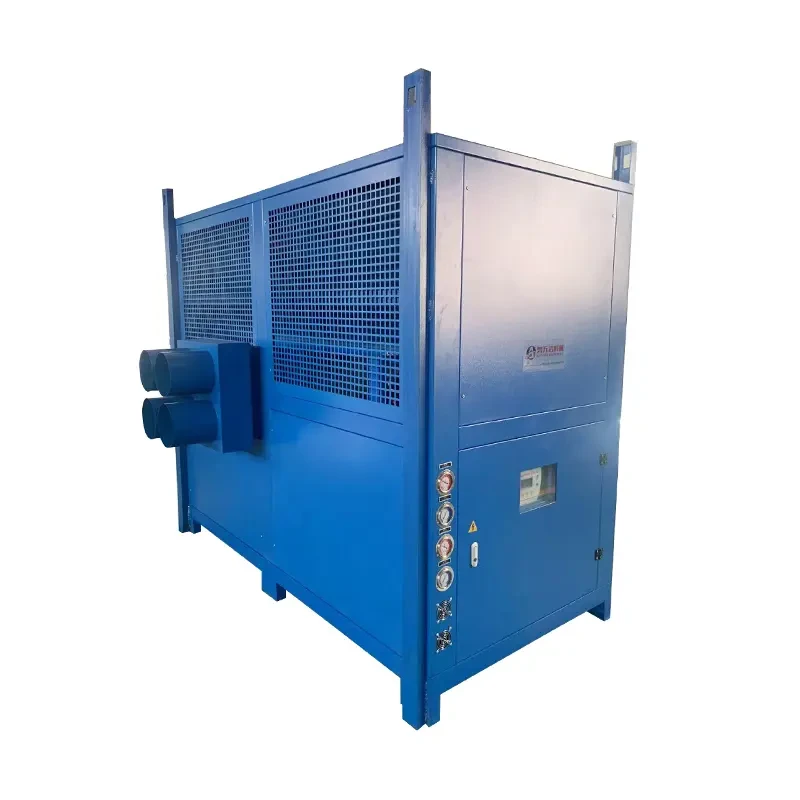

Check the water level regularly, especially if you're in a hot and dry climate where water evaporates quickly. Refill the tank as needed to ensure continuous cooling. Also, listen for any unusual sounds coming from the cooler. Grinding, rattling, or screeching noises could indicate a problem with the fan, motor, or pump.
Clean the air filters periodically. Over time, dust and dirt can accumulate on the filters, reducing the airflow and the cooler's efficiency. You can usually wash the filters with mild detergent and water and let them dry completely before reinstalling.
Adjusting for Different Conditions
The performance of an industrial air cooler can vary depending on the environmental conditions. In hot and dry weather, evaporative coolers work great. They can significantly lower the temperature by adding moisture to the air. However, in humid conditions, their effectiveness might be reduced. You may need to adjust the settings or even use additional dehumidification if possible.
If you're using the cooler in a large industrial space, you might need to position it strategically. Consider the layout of the area, the location of the heat sources, and the direction of the airflow. Placing the cooler near a heat - generating machine can help remove the hot air more effectively.
Shutting Down the Cooler
When it's time to shut down the industrial air cooler, first turn off the power switch. If it's an evaporative cooler, drain the water from the tank. This prevents the growth of bacteria and algae in the tank, which could cause unpleasant odors and potentially damage the cooler.
Store the cooler in a dry and clean place. If you're going to store it for an extended period, cover it with a protective cover to prevent dust and debris from accumulating on it.
Our Industrial Air Cooler Range
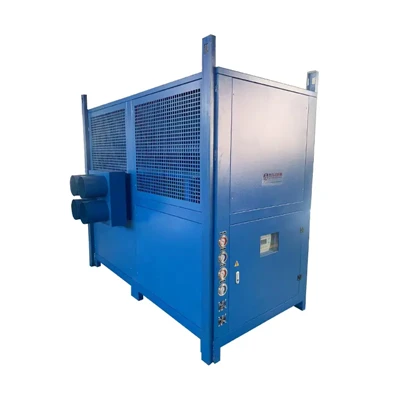
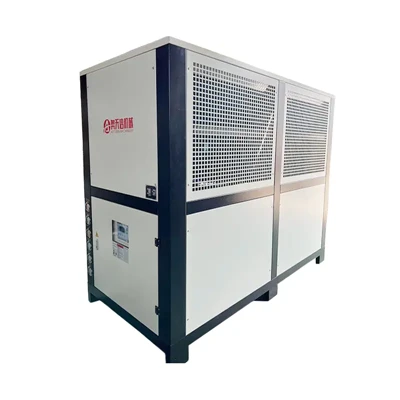
As a supplier, we offer a wide range of industrial air coolers to meet different needs. Check out our Heavy Duty Industrial Cooler for high - performance cooling in tough industrial environments. Our Air Cooler for Industries is designed to provide efficient cooling in various industrial settings.
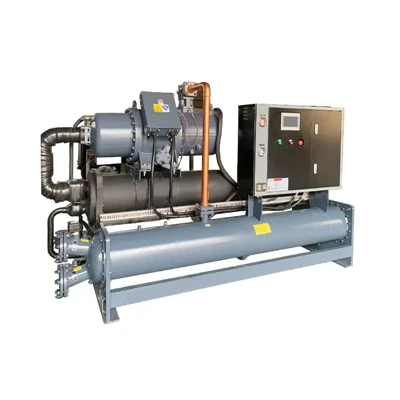
If you need a larger unit, we have the Industrial Big Cooler, Large Industrial Cooler, and Industrial Jumbo Cooler. These powerful coolers can handle large - scale cooling requirements.
Contact for Purchase and Negotiation
If you're interested in our industrial air coolers or have any questions about operating them, feel free to reach out. We're more than happy to assist you in finding the right cooler for your needs and discussing pricing and purchasing terms.
References
- ASHRAE Handbook - HVAC Systems and Equipment. This comprehensive handbook provides in - depth information on cooling systems, including industrial air coolers.
- Manufacturer's Manuals for Industrial Air Coolers. Most manufacturers include detailed operating instructions and maintenance guidelines in their manuals.