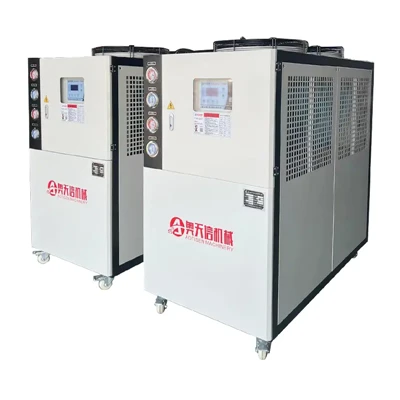
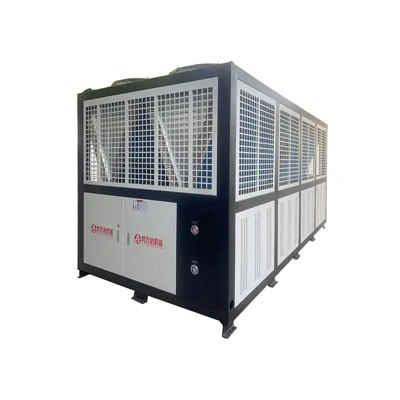
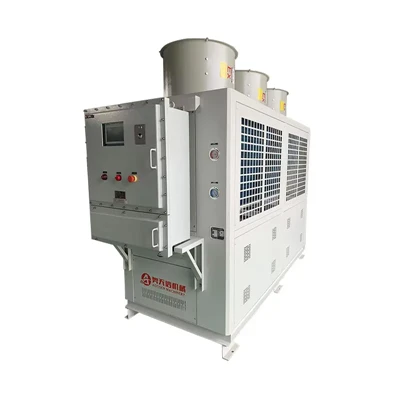
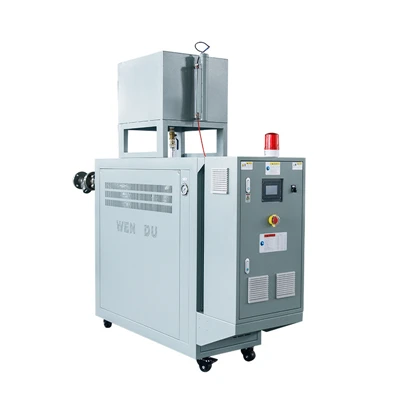
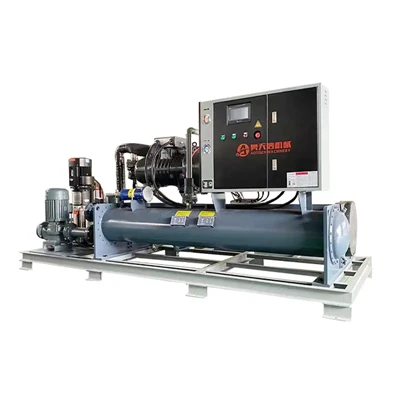
Hey there! As a supplier of Rotary Screw Chiller, I'm stoked to share some insights on how to make the most of the heat recovery function of these amazing machines. Rotary screw chillers are a staple in many industrial and commercial settings, and their heat recovery feature can be a game-changer in terms of energy efficiency and cost savings.
Understanding the Basics of Heat Recovery in Rotary Screw Chillers
First off, let's talk about what heat recovery actually means in the context of a rotary screw chiller. When a chiller is operating, it's constantly removing heat from the process or space it's cooling. Traditionally, this heat is just dumped into the environment, usually through a cooling tower or some other form of heat rejection system. But with heat recovery, we can capture that otherwise wasted heat and put it to good use.
The heat recovery function in a rotary screw chiller works by diverting the hot refrigerant gas that comes out of the compressor. Instead of sending it straight to the condenser to be cooled down, we can use it to heat water or air for other processes in the facility. This can include pre - heating boiler feedwater, providing hot water for domestic use, or even heating a building during colder months.
Assessing Your Heat Recovery Needs
Before you start using the heat recovery function of your rotary screw chiller, it's important to assess your specific heat recovery needs. Ask yourself what you want to use the recovered heat for. Is it for a small - scale domestic hot water supply in an office building, or is it for a large - scale industrial process? The answers to these questions will help you determine the capacity and configuration of the heat recovery system you need.
For example, if you're looking to provide hot water for a small office building, a relatively small - scale heat recovery setup might be sufficient. But if you're in an industrial setting where you need to pre - heat large volumes of water for a manufacturing process, you'll need a more robust system. You'll also need to consider the temperature requirements of your application. Some processes require very high - temperature water, while others can make do with lower - temperature heat.


Installing the Heat Recovery System
Once you've determined your heat recovery needs, it's time to install the heat recovery system. This is where having a good understanding of your Rotary Screw Chiller's design and capabilities is crucial.
Most rotary screw chillers can be retrofitted with a heat recovery unit. The heat recovery unit is typically installed between the compressor and the condenser. It consists of a heat exchanger that transfers the heat from the hot refrigerant gas to the water or air that you want to heat.
When installing the heat recovery unit, make sure to follow the manufacturer's instructions carefully. You'll need to ensure proper piping connections, insulation, and ventilation. It's also a good idea to have a professional technician handle the installation to avoid any potential issues down the line.
Operating and Maintaining the Heat Recovery System
Once the heat recovery system is installed, it's time to start using it. Operating a rotary screw chiller with heat recovery is not too different from operating a regular chiller, but there are a few key things to keep in mind.
First, you'll need to monitor the temperature and pressure of the refrigerant and the heat recovery fluid (water or air). This will help you ensure that the system is operating efficiently and safely. You can use the chiller's built - in control panel to monitor these parameters.
Regular maintenance is also essential for the proper functioning of the heat recovery system. Just like any other mechanical system, the heat exchanger and other components of the heat recovery unit can get dirty or clogged over time. Make sure to clean or replace the filters regularly and inspect the heat exchanger for any signs of corrosion or damage.
Benefits of Using the Heat Recovery Function
There are several benefits to using the heat recovery function of a rotary screw chiller. One of the most obvious benefits is energy savings. By reusing the heat that would otherwise be wasted, you can reduce your overall energy consumption and lower your utility bills.
Another benefit is environmental friendliness. By reducing the amount of heat released into the environment, you're also reducing your carbon footprint. This is becoming increasingly important in today's world, where sustainability is a top priority for many businesses and industries.
In addition, using the heat recovery function can improve the overall efficiency of your facility. By providing a reliable source of hot water or air, you can reduce the need for additional heating equipment, which can save you money on equipment costs and maintenance.
Different Types of Rotary Screw Chillers and Their Heat Recovery Capabilities
There are several types of rotary screw chillers, each with its own unique heat recovery capabilities. For example, Water Cooled Screw Compressor chillers are known for their high efficiency and ability to handle large cooling loads. These chillers can be very effective for heat recovery applications, especially in industrial settings where large amounts of heat need to be recovered.
Water Screw Chiller and Screw Water Chiller are also popular choices. These chillers are often used in commercial buildings and smaller industrial facilities. They can provide a good balance between cooling capacity and heat recovery efficiency.
Industrial Screw Chillers are designed for heavy - duty applications and can handle extremely high cooling and heat recovery loads. These chillers are typically used in large manufacturing plants and other industrial facilities where a reliable and efficient cooling and heat recovery system is essential.
Troubleshooting Common Heat Recovery Issues
Even with proper installation and maintenance, you may encounter some issues with your rotary screw chiller's heat recovery function. One common issue is low heat recovery efficiency. This can be caused by a variety of factors, such as a dirty heat exchanger, improper refrigerant charge, or a malfunctioning control valve.
If you notice that your heat recovery system is not performing as well as it should, start by checking the heat exchanger. Clean it if necessary and make sure there are no blockages in the piping. You should also check the refrigerant levels and ensure that the control valves are functioning properly.
Another common issue is uneven heat distribution. This can be a problem if you're using the recovered heat to heat multiple areas or processes. To solve this issue, you may need to adjust the flow rate of the heat recovery fluid or install additional balancing valves.
Conclusion
Using the heat recovery function of a rotary screw chiller is a great way to improve energy efficiency, reduce costs, and be more environmentally friendly. By understanding the basics of heat recovery, assessing your needs, installing and maintaining the system properly, and troubleshooting any issues that arise, you can make the most of this amazing technology.
If you're interested in learning more about our Rotary Screw Chiller products and how they can help you with heat recovery, feel free to reach out to us. We're here to answer any questions you may have and help you find the best solution for your specific needs. Let's work together to make your facility more efficient and sustainable!
References
- Industry standards and best practices for rotary screw chiller heat recovery.
- Manufacturer's manuals for various rotary screw chiller models.