Can a screw water chiller be connected to a central cooling system? This is a question that many industry professionals and facility managers often pose when looking to optimize their cooling solutions. As a leading Screw Water Chiller Link supplier, we have in - depth knowledge and experience in this area, and we're here to provide you with a comprehensive answer.
Understanding Screw Water Chillers
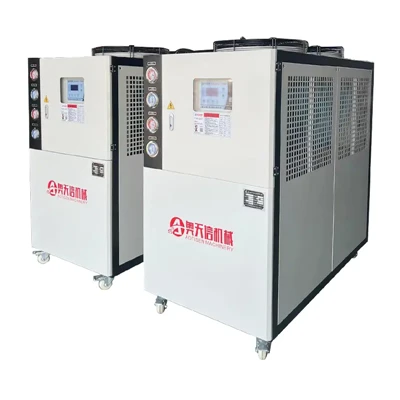
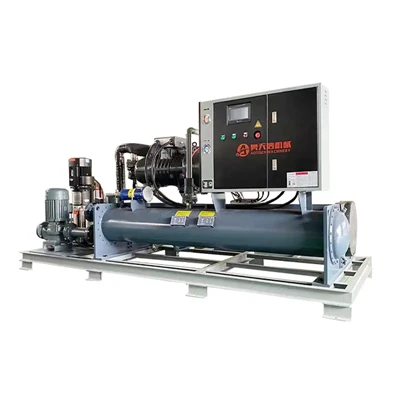
First, let's understand what a screw water chiller is. A screw water chiller is a type of refrigeration system that uses a screw compressor to provide cooling. Screw compressors are known for their high - efficiency performance, reliability, and relatively low maintenance requirements. These chillers are widely used in various industries, including manufacturing, data centers, and commercial buildings. They can effectively cool large volumes of water, which can then be circulated to cool different areas or processes.
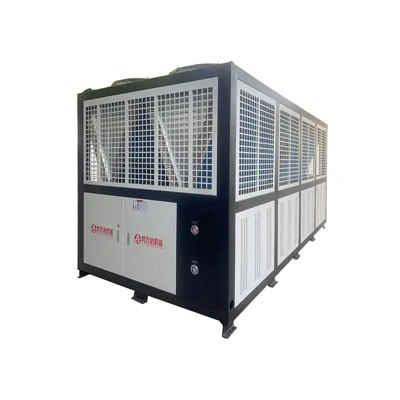
There are different types of screw water chillers available in the market. The Rotary Screw Chiller Link is a popular choice. It offers smooth and continuous operation by using two meshing helical rotors to compress the refrigerant. The Industrial Screw Chillers Link are designed to meet the strenuous cooling demands of industrial processes. They are usually larger in capacity and more robust in construction compared to their commercial counterparts. The Water Cooled Screw Compressor Link is a crucial component of many screw water chillers. In a water - cooled system, the heat from the refrigerant is transferred to the cooling water, which is then removed from the building.
Central Cooling Systems
On the other hand, central cooling systems are designed to provide cooling for an entire building or a large facility. They typically consist of a chiller plant, which may include one or more chillers, pumps, cooling towers, and a network of pipes for circulating chilled water. Central cooling systems offer several advantages, such as better energy efficiency, centralized control, and ease of maintenance.
However, they also require significant upfront investment and proper planning for installation. In a central cooling system, the main goal is to distribute the cooled water to different parts of the building to maintain a comfortable temperature. Whether it's a large office complex, a hospital, or an industrial plant, a well - designed central cooling system can ensure efficient operation.
Can They Be Connected?
The short answer is yes, a screw water chiller can be connected to a central cooling system, and in many cases, it is a great solution. The key lies in proper system design, integration, and sizing.
When connecting a screw water chiller to a central cooling system, there are several important factors to consider. First, the capacity of the screw water chiller must match the cooling load requirements of the central cooling system. Undersizing the chiller will result in insufficient cooling, while oversizing will lead to energy waste and higher operating costs. Engineers need to conduct a detailed heat load calculation for the building or facility to determine the appropriate chiller capacity.
Compatibility is another crucial aspect. The screw water chiller must be compatible with the existing components of the central cooling system, such as pumps, pipes, and controls. For example, the flow rate and pressure requirements of the chiller should match those of the rest of the system. If the chiller requires a different type of refrigerant or operating conditions than the existing system, additional modifications may be necessary.
The control system is also vital. Modern screw water chillers are equipped with advanced control systems that can communicate with the central cooling system. This allows for seamless operation and optimization of the entire cooling process. For instance, the chiller can adjust its capacity based on the real - time cooling demand of the building, which helps to save energy and reduce costs.
Advantages of Connecting a Screw Water Chiller to a Central Cooling System
There are multiple advantages to integrating a screw water chiller into a central cooling system.
Energy Efficiency: Screw water chillers are known for their high - efficiency operation. When connected to a central cooling system, they can contribute to overall energy savings. The ability to modulate the compressor speed according to the cooling load helps to avoid unnecessary energy consumption. For example, during off - peak hours, the chiller can operate at a lower capacity, reducing energy use without sacrificing comfort or process requirements.
Reliability: Screw compressors are generally more reliable than some other types of compressors. They have fewer moving parts, which means less wear and tear and a lower likelihood of breakdowns. In a central cooling system, reliability is crucial as any downtime can cause significant disruptions to the building's operations or industrial processes.
Scalability: A central cooling system with a screw water chiller offers scalability. As the cooling demand of the building or facility increases over time, additional screw water chillers can be easily added to the system. This allows for a cost - effective way to expand the cooling capacity without having to replace the entire system.
Flexibility: Screw water chillers can be used in a variety of applications, whether it's for comfort cooling in a commercial building or process cooling in an industrial setting. When connected to a central cooling system, they can provide the flexibility to meet different cooling requirements in different areas of the facility.
Challenges and Solutions
While there are many benefits to connecting a screw water chiller to a central cooling system, there are also some challenges that need to be addressed.
Initial Investment: As mentioned earlier, central cooling systems require a significant upfront investment. The cost of purchasing and installing a screw water chiller, along with the necessary modifications to the central cooling system, can be high. However, the long - term energy savings and reliability can offset the initial cost over time. To mitigate the financial burden, some companies offer financing options or energy - savings performance contracts.
Maintenance and Service: Regular maintenance is essential to ensure the proper operation of both the screw water chiller and the central cooling system. This includes tasks such as cleaning the condenser and evaporator coils, checking the refrigerant levels, and inspecting the electrical components. To address this challenge, we offer comprehensive maintenance services. Our team of experienced technicians can perform regular check - ups and timely repairs to keep the system running smoothly.


System Complexity: Integrating a screw water chiller into a central cooling system can increase the complexity of the overall system. This requires a high level of technical expertise for installation, operation, and troubleshooting. Our company provides detailed technical support and training to our customers. We can assist with the system design, installation, and offer ongoing support to ensure that the system is operating at its best.
Conclusion
In conclusion, a screw water chiller can indeed be connected to a central cooling system, and it offers numerous benefits in terms of energy efficiency, reliability, scalability, and flexibility. However, proper planning, system design, and maintenance are crucial for a successful integration.
If you are considering upgrading or installing a central cooling system with a screw water chiller, we are here to help. As a trusted Screw Water Chiller Link supplier, we have the expertise and experience to provide you with the best solutions tailored to your specific needs. Contact us to discuss your project and start the journey towards a more efficient and reliable cooling system.
References
- ASHRAE Handbook - HVAC Systems and Equipment.
- Manufacturer's manuals for screw water chillers and central cooling system components.
- Industry research reports on energy - efficient cooling solutions.