In the world of industrial cooling, closed type cooling towers play a pivotal role in maintaining optimal operating temperatures for various industrial processes. As a trusted supplier of Closed Type Cooling Towers, I've witnessed firsthand the importance and versatility of these systems. A key component within these towers is the louvers, which significantly contribute to their overall efficiency and functionality.
Understanding the Basics of Closed Type Cooling Towers
Before delving into the role of louvers, it's essential to understand what a closed type cooling tower is and how it operates. A Closed Type Cooling Tower is a heat rejection device that uses the principle of evaporative cooling to remove heat from a process fluid. Unlike open cooling towers, the process fluid in a closed type tower is contained within a closed-loop system, preventing it from coming into direct contact with the external environment. This design offers several advantages, including reduced water contamination, lower water consumption, and protection of the process fluid from external elements.
The Function of Louvers in Closed Type Cooling Towers
Louvers are an integral part of a closed type cooling tower, serving multiple functions that enhance the tower's performance and efficiency.
1. Airflow Regulation
One of the primary roles of louvers is to regulate the airflow within the cooling tower. By controlling the amount of air entering the tower, louvers help maintain a consistent and optimal air-to-water ratio. This ratio is crucial for efficient heat transfer, as it ensures that the right amount of air is available to evaporate the water and carry away the heat. Proper airflow regulation also helps prevent the formation of hot spots within the tower, which can reduce its cooling efficiency.
For example, in a large industrial cooling tower, the louvers can be adjusted to direct the incoming air towards specific areas where heat transfer is most needed. This targeted airflow helps maximize the contact between the hot process fluid and the cool air, resulting in more effective cooling.
2. Water Splash Prevention
Another important function of louvers is to prevent water splash from escaping the cooling tower. As the water is sprayed inside the tower for cooling purposes, some of it may be carried by the airflow and splash out of the tower. Louvers act as a barrier, redirecting the splashing water back into the tower and preventing it from causing water loss or wetting the surrounding area.
This is particularly important in industrial settings where water conservation is a concern. By minimizing water splash, louvers help reduce water consumption and operating costs. Additionally, preventing water from splashing out of the tower helps maintain a clean and safe working environment.
3. Debris and Contaminant Filtration
Louvers also serve as a filter, preventing large debris and contaminants from entering the cooling tower. In industrial environments, the air may contain dust, leaves, insects, and other foreign particles that can clog the cooling tower's internal components and reduce its efficiency. The louvers act as a physical barrier, trapping these particles and preventing them from entering the tower.
This helps protect the cooling tower's heat exchanger, fans, and other components from damage and extends their service life. Regular maintenance of the louvers, including cleaning and inspection, ensures that they continue to function effectively as a filter.
4. Noise Reduction
In some cases, louvers can also contribute to noise reduction in a closed type cooling tower. The design of the louvers can help absorb and deflect the noise generated by the tower's fans and the airflow, reducing the noise level in the surrounding area. This is particularly important in industrial facilities located near residential areas or in noise-sensitive environments.


The Impact of Louver Design on Cooling Tower Performance
The design of the louvers can have a significant impact on the overall performance of the cooling tower. Factors such as the shape, size, angle, and material of the louvers can all affect their ability to regulate airflow, prevent water splash, filter debris, and reduce noise.
1. Shape and Size
The shape and size of the louvers determine the amount of airflow they can allow through. Louvers with a larger opening area generally allow more air to pass through, while smaller louvers can provide more precise control over the airflow. The shape of the louvers, such as curved or straight, can also affect the airflow pattern and the distribution of air within the tower.
2. Angle
The angle of the louvers is crucial for regulating the airflow and preventing water splash. An optimal angle helps direct the air towards the desired areas within the tower while preventing water from being carried out by the airflow. The angle of the louvers can be adjusted during the installation or operation of the cooling tower to achieve the best performance.
3. Material
The material used for the louvers should be durable, corrosion-resistant, and able to withstand the harsh conditions inside the cooling tower. Common materials include aluminum, stainless steel, and PVC. Each material has its own advantages and disadvantages, and the choice of material depends on factors such as the operating environment, cost, and aesthetic requirements.
Complementary Products in the Cooling Equipment Portfolio
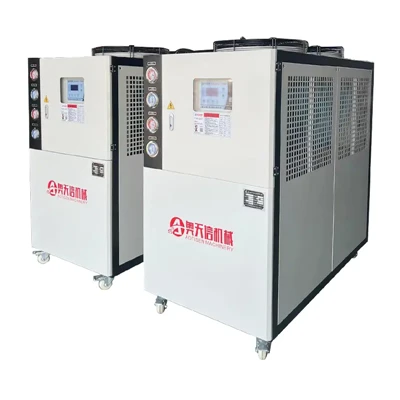
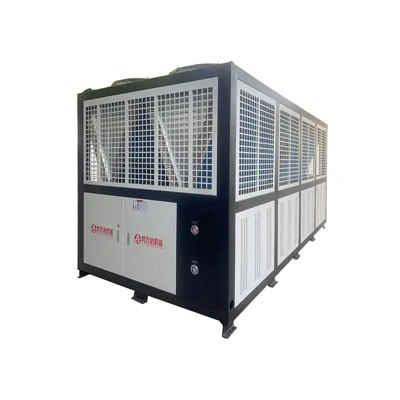
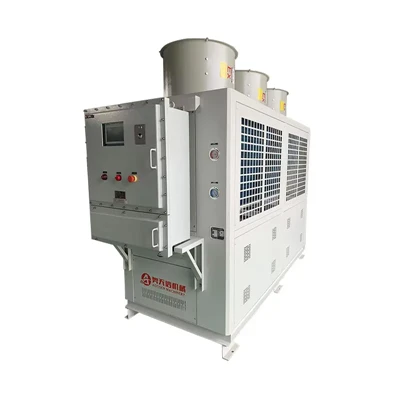
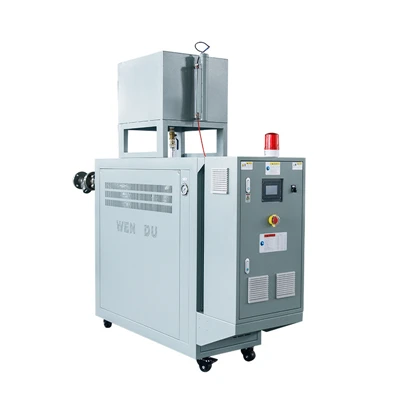
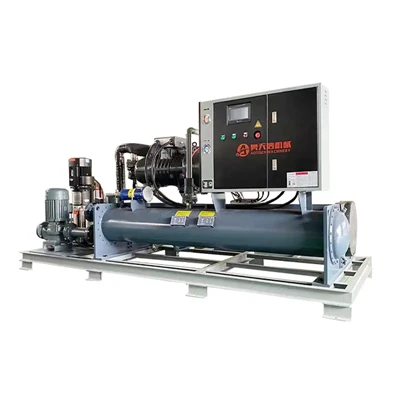
In addition to Closed Type Cooling Towers, we also offer a range of complementary industrial cooling equipment to meet the diverse needs of our customers. Our product portfolio includes Hydraulic Oil Chiller Unit, Water Mold Temperature Machine, Closed Cell Cooling Tower, and Water Mold Temperature Controller.
These products work together to provide comprehensive cooling solutions for various industrial applications. For example, a Hydraulic Oil Chiller Unit can be used to cool the hydraulic oil in industrial machinery, while a Water Mold Temperature Machine can be used to control the temperature of the mold in plastic injection molding processes.
Contact for Procurement and Consultation
If you're in the market for a reliable Closed Type Cooling Tower or any of our other industrial cooling equipment, we're here to help. Our team of experts has extensive experience in the field of industrial cooling and can provide you with personalized solutions tailored to your specific requirements. Whether you need a small cooling tower for a laboratory or a large-scale system for an industrial plant, we have the expertise and products to meet your needs.
Don't hesitate to reach out to us for more information or to discuss your cooling requirements. We're committed to providing you with the highest quality products and services at competitive prices. Let's work together to find the perfect cooling solution for your business.
References
- Cooling Tower Institute. (202X). Handbook of Cooling Tower Technology.
- ASHRAE. (202X). ASHRAE Handbook - HVAC Systems and Equipment.