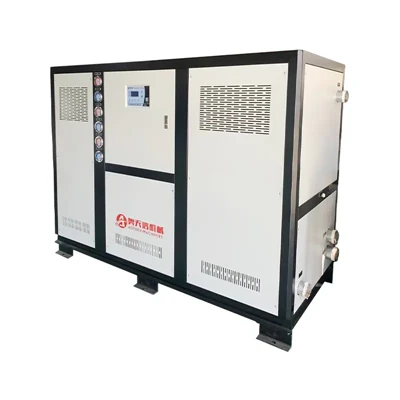
Hey there, friends! As a supplier of Portable Industrial Chillers, I often get asked about the cooling speed of these nifty machines. So, today, I'm gonna break it down for you and give you the lowdown on what affects the cooling speed of portable industrial chillers.
First off, let's talk about what a portable industrial chiller actually is. It's a compact, self-contained cooling system that can be easily moved around and used in various industrial applications. Whether you're in a small workshop, a laboratory, or a manufacturing plant, a portable industrial chiller can help you keep your equipment and processes at the right temperature.
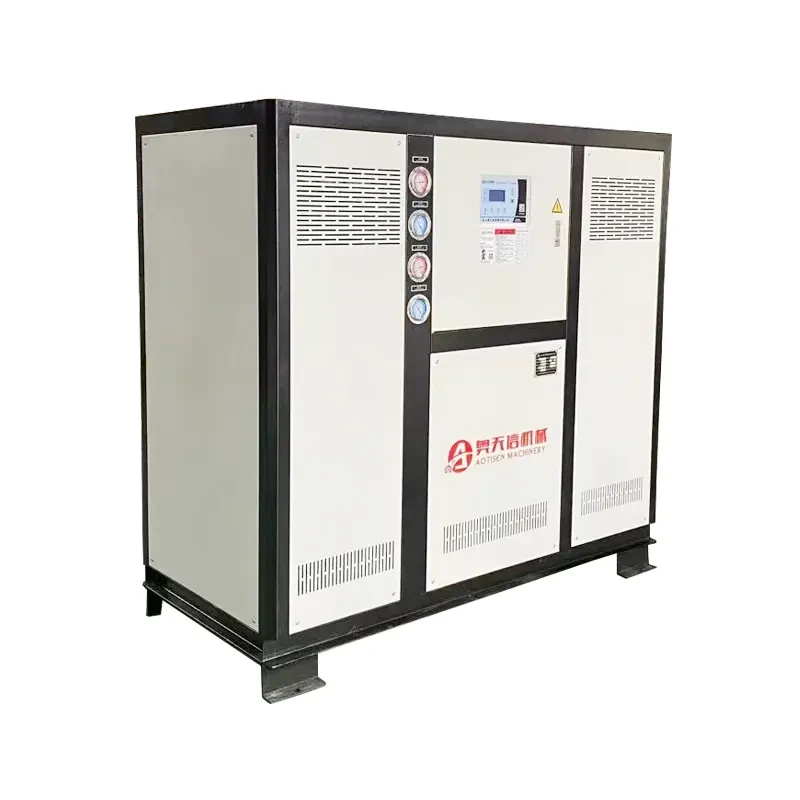

Now, let's get to the main question: what is the cooling speed of portable industrial chillers? Well, the answer isn't as straightforward as you might think. The cooling speed of a portable industrial chiller depends on several factors, including the size and capacity of the chiller, the type of refrigerant used, the ambient temperature, and the heat load of the application.
Let's start with the size and capacity of the chiller. Generally speaking, the larger the chiller, the faster it can cool your equipment or processes. This is because a larger chiller has a higher cooling capacity, which means it can remove more heat from the system in a shorter amount of time. However, it's important to note that you don't necessarily need the biggest chiller on the market. You should choose a chiller that is sized appropriately for your specific application. If you choose a chiller that is too small, it won't be able to keep up with the heat load, and your equipment may overheat. On the other hand, if you choose a chiller that is too large, it will consume more energy than necessary and may not operate efficiently.
The type of refrigerant used in the chiller also plays a role in its cooling speed. Different refrigerants have different thermodynamic properties, which affect their ability to absorb and release heat. Some refrigerants are more efficient at transferring heat than others, which means they can cool your equipment or processes faster. However, it's important to choose a refrigerant that is environmentally friendly and compliant with local regulations. Many older refrigerants, such as R-22, are being phased out due to their ozone-depleting properties.
The ambient temperature is another factor that affects the cooling speed of portable industrial chillers. The chiller works by removing heat from the system and releasing it into the surrounding environment. If the ambient temperature is high, the chiller will have to work harder to dissipate the heat, which will slow down its cooling speed. On the other hand, if the ambient temperature is low, the chiller will be able to operate more efficiently and cool your equipment or processes faster.
Finally, the heat load of the application is perhaps the most important factor in determining the cooling speed of a portable industrial chiller. The heat load refers to the amount of heat that needs to be removed from the system in order to maintain the desired temperature. The higher the heat load, the more work the chiller will have to do, and the slower its cooling speed will be. Some factors that can increase the heat load of an application include high temperature processes, large equipment, and high production rates.
So, now that you know what affects the cooling speed of portable industrial chillers, how can you choose the right chiller for your application? Well, the first step is to determine the heat load of your application. You can do this by calculating the amount of heat generated by your equipment or processes and adding any additional heat sources, such as ambient heat. Once you know the heat load, you can choose a chiller that has a cooling capacity that is equal to or greater than the heat load.
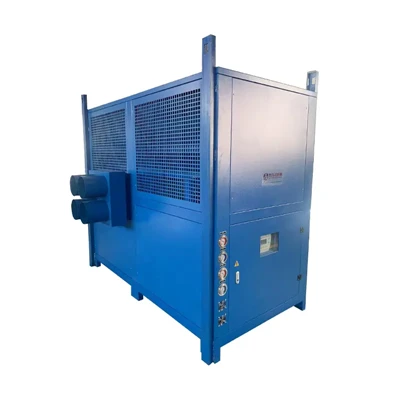
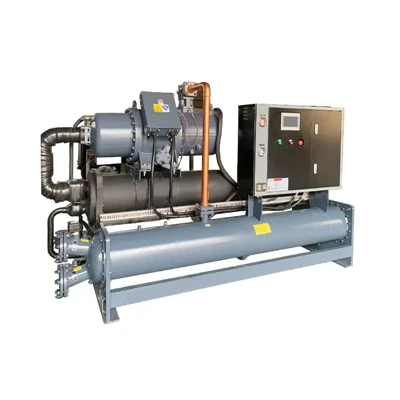
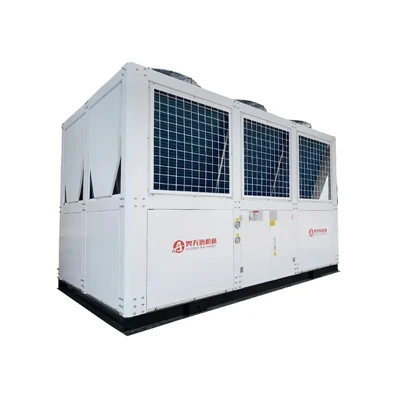
Another important consideration is the type of cooling mechanism that the chiller uses. There are two main types of cooling mechanisms: air-cooled and water-cooled. Air-cooled chillers use fans to circulate air over the condenser coils, which releases heat into the surrounding environment. Water-cooled chillers use water to cool the condenser coils, which is then circulated through a cooling tower or other water cooling system. Air-cooled chillers are generally more compact and easier to install, but they are less efficient than water-cooled chillers and may not be suitable for applications with high heat loads. Water-cooled chillers are more efficient and can handle higher heat loads, but they require a water source and a cooling tower, which can add to the cost and complexity of the system.
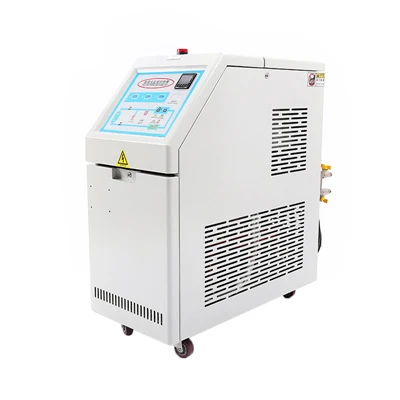
At our company, we offer a wide range of Portable Industrial Chillers to suit different applications and budgets. Our chillers are available in both air-cooled and water-cooled models, and they come in a variety of sizes and capacities. We also offer a range of accessories and options, such as remote control systems, temperature sensors, and alarms, to help you customize your chiller to meet your specific needs.
If you're interested in learning more about our Portable Industrial Chillers, please visit our website at Portable Industrial Chillers. You can also check out our other products, such as Water Chiller Cooler, Air Cooled Oil Chiller, Air Cooled Industrial Oil Cooler, and Water Chiller for Industrial Use.
We're always happy to answer any questions you may have and help you choose the right chiller for your application. So, if you're in the market for a portable industrial chiller, don't hesitate to contact us. We look forward to hearing from you and helping you keep your equipment and processes cool!
References
- ASHRAE Handbook - HVAC Systems and Equipment. American Society of Heating, Refrigerating and Air-Conditioning Engineers.
- Industrial Refrigeration Handbook. Finn Z. Jacobsen, Jon G. Haselmeyer.