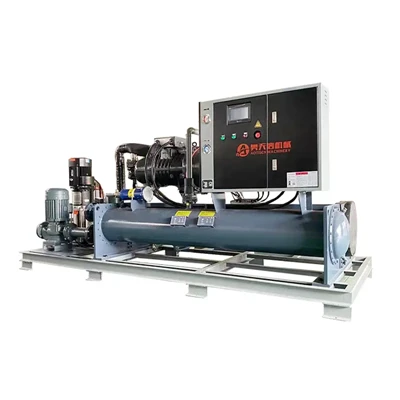
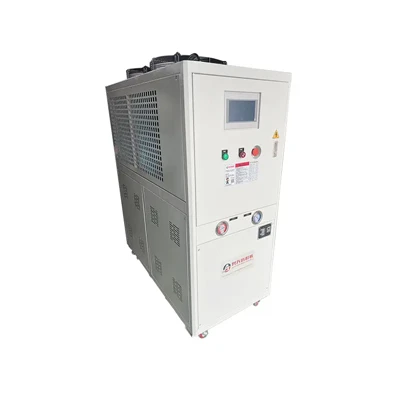
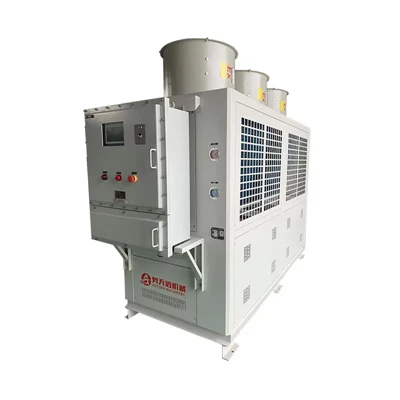
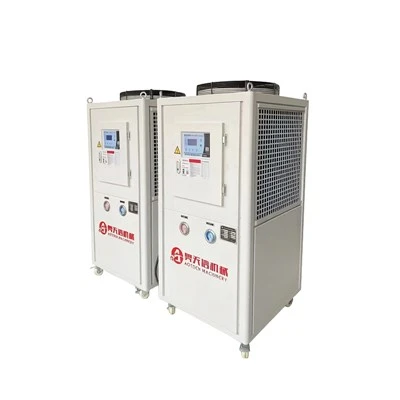
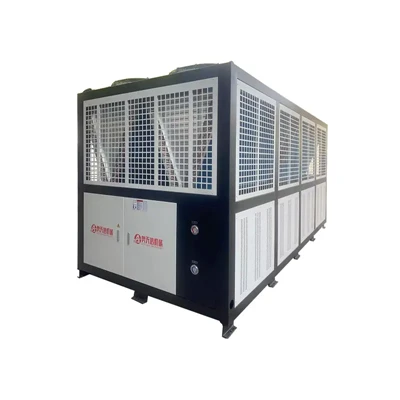
In the realm of industrial cooling systems, low temp chillers play a pivotal role in maintaining precise temperature control for a wide range of applications. As a leading supplier of Low Temp Chiller, I have witnessed firsthand the significance of each component within these complex systems. Among them, the evaporator stands out as a critical element, responsible for a fundamental function that drives the entire cooling process.
The Basics of a Low Temp Chiller
Before delving into the function of the evaporator, it is essential to understand the overall operation of a low temp chiller. A low temp chiller is designed to remove heat from a process or space and transfer it to the environment. This is achieved through a refrigeration cycle that involves four main components: the compressor, condenser, expansion valve, and evaporator.
The refrigeration cycle begins with the compressor, which compresses the refrigerant gas, raising its pressure and temperature. The high-pressure, high-temperature refrigerant then flows to the condenser, where it releases heat to the surrounding environment and condenses into a liquid. The liquid refrigerant then passes through the expansion valve, which reduces its pressure and temperature, causing it to evaporate. Finally, the refrigerant returns to the compressor, completing the cycle.
The Function of the Evaporator
The evaporator is the component of the low temp chiller where the actual cooling process takes place. Its primary function is to absorb heat from the process or space being cooled and transfer it to the refrigerant. This is achieved through a process called evaporation.
When the liquid refrigerant enters the evaporator, it is at a low pressure and temperature. As it flows through the evaporator tubes, it absorbs heat from the surrounding environment, causing it to evaporate and turn into a gas. The heat absorbed by the refrigerant is transferred from the process or space being cooled, resulting in a decrease in temperature.
The evaporator is typically made of a series of tubes or coils that are designed to maximize the surface area available for heat transfer. The refrigerant flows through these tubes, while the process fluid or air being cooled passes over the outside of the tubes. This allows for efficient heat transfer between the refrigerant and the process fluid or air.
Types of Evaporators
There are several types of evaporators used in low temp chillers, each with its own advantages and disadvantages. The most common types include:


- Flooded Evaporators: In a flooded evaporator, the refrigerant completely fills the evaporator tubes, allowing for maximum heat transfer. This type of evaporator is typically used in large industrial applications where high cooling capacities are required.
- Dry Expansion Evaporators: In a dry expansion evaporator, the refrigerant enters the evaporator as a liquid and is vaporized as it flows through the tubes. This type of evaporator is more commonly used in smaller applications where space is limited.
- Shell and Tube Evaporators: A shell and tube evaporator consists of a shell that contains a series of tubes. The refrigerant flows through the tubes, while the process fluid or air being cooled passes over the outside of the tubes. This type of evaporator is commonly used in both industrial and commercial applications.
- Plate Evaporators: A plate evaporator consists of a series of plates that are stacked together to form a heat exchanger. The refrigerant flows between the plates, while the process fluid or air being cooled passes over the outside of the plates. This type of evaporator is typically used in applications where high heat transfer rates are required.
Factors Affecting Evaporator Performance
The performance of the evaporator in a low temp chiller is affected by several factors, including:
- Refrigerant Type: Different refrigerants have different properties, which can affect the performance of the evaporator. For example, some refrigerants have a higher heat transfer coefficient than others, which can result in more efficient heat transfer.
- Evaporator Design: The design of the evaporator, including the type of tubes or coils used, the surface area available for heat transfer, and the flow rate of the refrigerant, can also affect its performance.
- Process Fluid or Air Characteristics: The characteristics of the process fluid or air being cooled, such as its temperature, flow rate, and viscosity, can also affect the performance of the evaporator.
- Operating Conditions: The operating conditions of the low temp chiller, such as the temperature and pressure of the refrigerant, can also affect the performance of the evaporator.
Importance of Evaporator Maintenance
Proper maintenance of the evaporator is essential to ensure its optimal performance and longevity. Regular maintenance tasks include:
- Cleaning: The evaporator should be cleaned regularly to remove any dirt, debris, or scale that may accumulate on the tubes or coils. This can improve heat transfer efficiency and prevent corrosion.
- Inspection: The evaporator should be inspected regularly for any signs of damage or leaks. Any issues should be addressed promptly to prevent further damage.
- Refrigerant Level Check: The refrigerant level in the evaporator should be checked regularly to ensure that it is within the recommended range. Low refrigerant levels can reduce the cooling capacity of the chiller and cause damage to the compressor.
- Lubrication: If the evaporator has any moving parts, such as fans or pumps, they should be lubricated regularly to ensure smooth operation.
Applications of Low Temp Chillers with Evaporators
Low temp chillers with evaporators are used in a wide range of applications, including:
- Industrial Processes: Low temp chillers are commonly used in industrial processes such as chemical manufacturing, pharmaceutical production, and food processing to maintain precise temperature control.
- HVAC Systems: Low temp chillers are also used in HVAC systems to cool large commercial and industrial buildings.
- Medical Equipment: Low temp chillers are used in medical equipment such as MRI machines and laser systems to maintain precise temperature control.
- Laboratory Equipment: Low temp chillers are used in laboratory equipment such as incubators and freezers to maintain precise temperature control.
Conclusion
In conclusion, the evaporator is a critical component of a low temp chiller, responsible for absorbing heat from the process or space being cooled and transferring it to the refrigerant. Its performance is affected by several factors, including the refrigerant type, evaporator design, process fluid or air characteristics, and operating conditions. Proper maintenance of the evaporator is essential to ensure its optimal performance and longevity.
As a supplier of Low Temp Chiller, we offer a wide range of high-quality chillers with efficient evaporators to meet the diverse needs of our customers. Our chillers are designed to provide reliable and cost-effective cooling solutions for a variety of applications.
If you are in need of a low temp chiller or have any questions about the function of the evaporator, please do not hesitate to contact us. We would be happy to discuss your specific requirements and provide you with a customized solution.
In addition to our low temp chillers, we also offer a range of other industrial chillers, including EX Proof Industrial Chiller, Explosion Proof Chiller, High Precision Chiller, and Explosion Resistant Cooling Chiller. These chillers are designed to meet the specific needs of industries where safety and precision are of utmost importance.
We look forward to hearing from you and helping you find the perfect cooling solution for your application.
References
- ASHRAE Handbook of Refrigeration. American Society of Heating, Refrigerating and Air-Conditioning Engineers, Inc.
- Refrigeration and Air Conditioning Technology. William C. Whitman, William M. Johnson, John A. Tomczyk, and Eugene Silberstein.