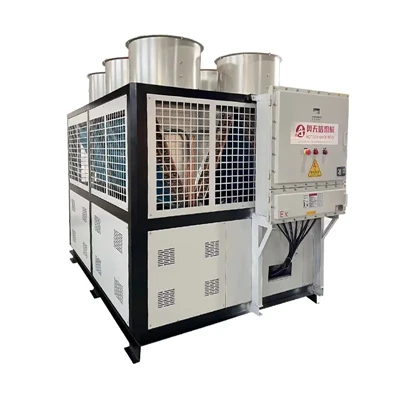
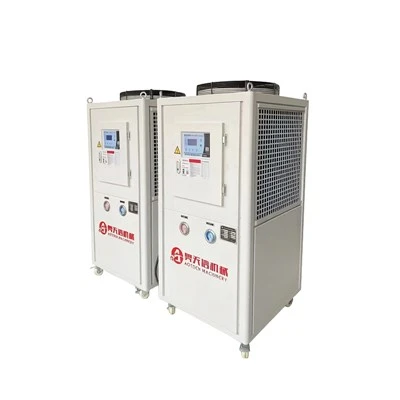
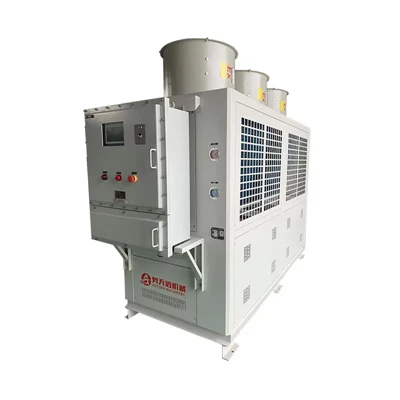
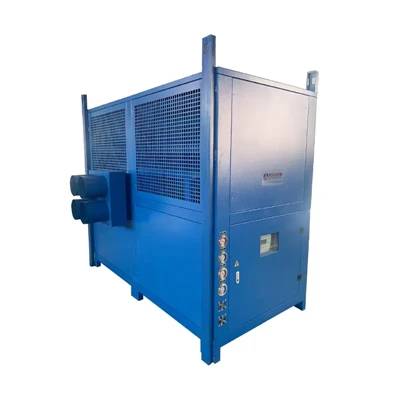
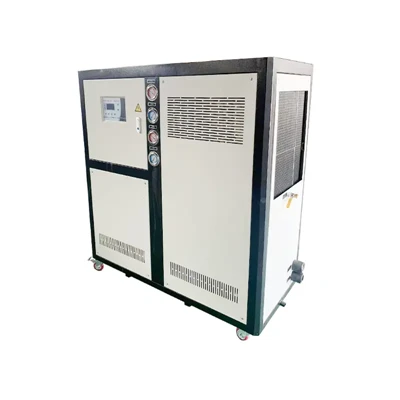
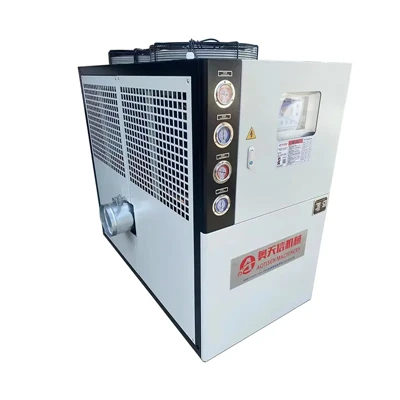
Industrial screw chillers play a pivotal role in various industries, providing efficient cooling solutions for a wide array of applications. As an Industrial Screw Chillers supplier, we understand the importance of energy efficiency not only for cost - savings but also for environmental sustainability. In this blog, we will explore several strategies to enhance the energy efficiency of industrial screw chillers.
1. Regular Maintenance and Inspection
One of the most fundamental ways to improve the energy efficiency of industrial screw chillers is through regular maintenance and inspection. Over time, components of the chiller can wear out, accumulate dirt, or develop malfunctions, all of which can reduce its performance and increase energy consumption.
-
Cleaning the Condenser and Evaporator Coils: The condenser and evaporator coils are crucial for heat transfer in the chiller. When these coils become dirty or clogged with debris, the heat transfer efficiency decreases. This forces the chiller to work harder, consuming more energy to achieve the desired cooling effect. Regularly cleaning the coils of your Water Cooled Screw Compressor can significantly improve its ability to transfer heat and therefore enhance energy efficiency.
-
Checking Refrigerant Levels: Proper refrigerant levels are essential for the efficient operation of screw chillers. Under - or over - charging of refrigerant can lead to reduced cooling capacity and increased energy usage. Our technicians recommend scheduling regular inspections to ensure that the refrigerant levels are within the manufacturer's specified range.
-
Inspecting and Tightening Electrical Connections: Loose or corroded electrical connections can cause power losses and inefficiencies in the chiller's operation. By regularly inspecting and tightening these connections, you can prevent energy wastage due to electrical issues.
2. System Optimization
Optimizing the overall system in which the industrial screw chiller operates can also lead to significant energy savings.
-
Proper Sizing and Selection: Selecting the right - sized chiller for your specific application is crucial. An oversized chiller will cycle on and off frequently, which is energy - inefficient and can also lead to premature wear and tear. On the other hand, an undersized chiller will have to work constantly at full capacity to meet the cooling demand, consuming more energy. As a supplier, we offer a wide range of Industrial Screw Chillers and can assist you in choosing the most suitable model for your needs.


-
Variable Speed Drives (VSDs): Installing Variable Speed Drives on the chiller's compressors and pumps can help save energy. VSDs allow the equipment to adjust its speed according to the actual cooling demand. Instead of running at a fixed speed constantly, the compressor can slow down when the cooling load is low, reducing energy consumption. This technology is particularly effective in applications where the cooling demand fluctuates throughout the day or year.
-
Thermal Energy Storage: Implementing a thermal energy storage system can help smooth out the peak cooling demand. During off - peak hours, when electricity rates are lower, the chiller can produce and store chilled water or ice. Then, during peak hours, the stored energy can be used to meet the cooling requirements, reducing the need for the chiller to operate at full capacity.
3. Advanced Control Strategies
Utilizing advanced control strategies can optimize the operation of industrial screw chillers and improve energy efficiency.
-
Remote Monitoring and Control: With the advancement of technology, remote monitoring and control systems have become increasingly popular. These systems allow you to monitor the performance of your Rotary Screw Chiller in real - time from anywhere. You can adjust settings, receive alerts about potential issues, and analyze energy usage patterns. By having a better understanding of the chiller's operation, you can make more informed decisions to improve its efficiency.
-
Chiller Sequencing: In applications where multiple chillers are installed, chiller sequencing can be used to optimize their operation. Instead of running all the chillers simultaneously, a sequencing control system can determine the most energy - efficient combination of chillers to operate based on the cooling demand. This ensures that each chiller operates within its optimal efficiency range.
-
Adaptive Control Algorithms: Some modern chillers are equipped with adaptive control algorithms that can automatically adjust the chiller's operation based on various factors such as ambient temperature, cooling load, and energy prices. These algorithms continuously analyze the system's performance and make real - time adjustments to maximize energy efficiency.
4. Water Management
For water - cooled screw chillers, proper water management is essential for energy efficiency.
- Water Treatment: The quality of the water used in the chiller's cooling system can have a significant impact on its efficiency. Hard water can cause scale buildup on the heat transfer surfaces, reducing the heat transfer efficiency and increasing energy consumption. By implementing a proper water treatment program, including filtration, softening, and chemical treatment, you can prevent scale formation and maintain the chiller's performance.
- Optimal Water Flow Rate: Maintaining the optimal water flow rate through the condenser and evaporator is crucial. A flow rate that is too high or too low can reduce the chiller's efficiency. Regularly monitoring and adjusting the water flow rate based on the chiller's operating conditions can help improve energy efficiency.
5. Upgrading Equipment
In some cases, upgrading older chiller equipment can lead to substantial energy savings.
- Retrofitting with Energy - Efficient Components: If your chiller is relatively old, retrofitting it with energy - efficient components such as high - efficiency compressors, advanced heat exchangers, or improved control systems can significantly enhance its energy performance. For example, upgrading to a more efficient compressor can reduce energy consumption by a significant percentage.
- Replacing Outdated Chillers: When a chiller reaches the end of its useful life or is severely inefficient, replacing it with a new, energy - efficient model may be the best option. Our Screw Water Chiller and Water Screw Chiller models are designed with the latest energy - saving technologies, offering higher efficiency and lower operating costs compared to older models.
In conclusion, improving the energy efficiency of industrial screw chillers requires a comprehensive approach that includes regular maintenance, system optimization, advanced control strategies, proper water management, and, in some cases, equipment upgrading. As a leading supplier of industrial screw chillers, we are committed to helping our customers achieve maximum energy efficiency and cost - savings. If you are interested in learning more about how our products can meet your needs or in discussing ways to improve the energy efficiency of your existing chiller systems, we invite you to contact us for a procurement consultation. Our team of experts is ready to provide you with tailored solutions and support to ensure that you get the most out of your chiller investment.
References
- ASHRAE Handbook – HVAC Systems and Equipment. American Society of Heating, Refrigerating and Air - Conditioning Engineers.
- International Institute of Refrigeration (IIR) publications on industrial refrigeration energy efficiency.
- Manufacturer's manuals and technical documents for industrial screw chillers.