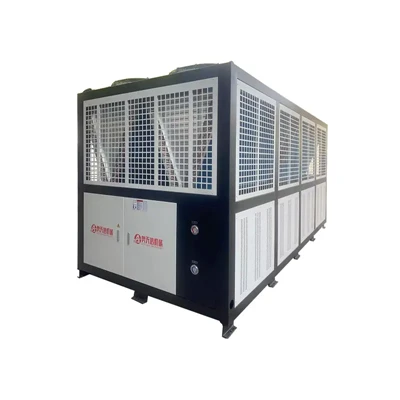
Hey there! As a supplier of Air Cooled Industrial Oil Coolers, I've seen firsthand how ambient temperature can have a huge impact on the performance of these coolers. In this blog, I'm gonna break down the relationship between ambient temperature and the efficiency of air cooled industrial oil coolers, and why it's super important for you to understand this dynamic if you're in the market for one.
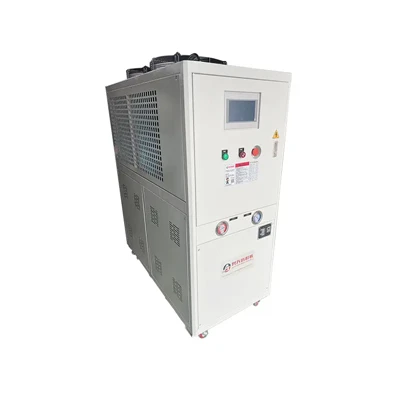
Let's start with the basics. An air cooled industrial oil cooler is a key piece of equipment in many industrial settings. It's designed to remove heat from industrial oil, which is crucial for maintaining the smooth operation of machinery. The way it works is pretty straightforward: hot oil flows through the cooler, and then air is blown over the cooler's fins to dissipate the heat. Simple, right? But here's the catch – the ambient temperature can really throw a wrench in this process.
When the ambient temperature is low, the air cooled industrial oil cooler works like a charm. The cool air outside makes it easier for the cooler to transfer heat from the oil to the air. This means that the cooler can operate more efficiently, using less energy and doing a better job of keeping the oil at the right temperature. In fact, in colder climates, an air cooled industrial oil cooler can often achieve much better cooling performance compared to other types of coolers.
But when the ambient temperature starts to rise, things get a bit more complicated. The warmer the air outside, the less effective the cooler is at dissipating heat. This is because the temperature difference between the hot oil and the surrounding air is smaller, which makes it harder for the heat to transfer. As a result, the cooler has to work harder to achieve the same level of cooling. It might need to run at a higher speed, which can increase energy consumption and put more wear and tear on the equipment.
One major issue that high ambient temperatures can cause is overheating. If the cooler can't keep up with the heat load, the oil temperature will start to climb. This can lead to a whole host of problems, including reduced lubrication efficiency, increased wear on machinery components, and even potential breakdowns. In some extreme cases, overheating can cause permanent damage to the equipment, which can be very costly to repair or replace.
Another factor to consider is the impact of high ambient temperatures on the cooler's lifespan. When the cooler has to work harder due to the warm air, it experiences more stress and strain. This can lead to premature failure of components such as fans, motors, and heat exchangers. Over time, this can significantly shorten the lifespan of the cooler, meaning you'll have to replace it sooner than expected.
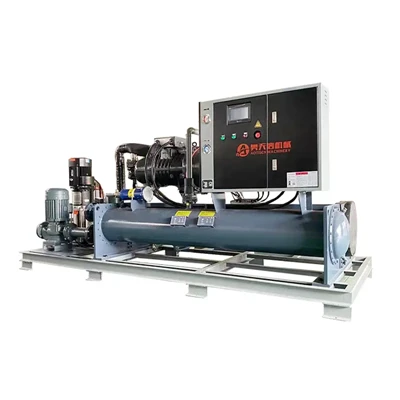
So, what can you do to mitigate the effects of high ambient temperatures on your air cooled industrial oil cooler? One option is to install the cooler in a shaded area. This can help reduce the temperature of the air around the cooler, making it more efficient. You can also consider using additional cooling methods, such as Water Chiller Cooler, in conjunction with the air cooled oil cooler. This can provide an extra layer of cooling and help maintain the oil temperature within the desired range.
Another important step is to ensure proper maintenance of the cooler. Regularly cleaning the fins and checking for any blockages can help improve the cooler's performance, especially in hot weather. You should also monitor the oil temperature and the cooler's operation closely. If you notice any signs of overheating or inefficiency, it's best to take action right away to avoid more serious problems.

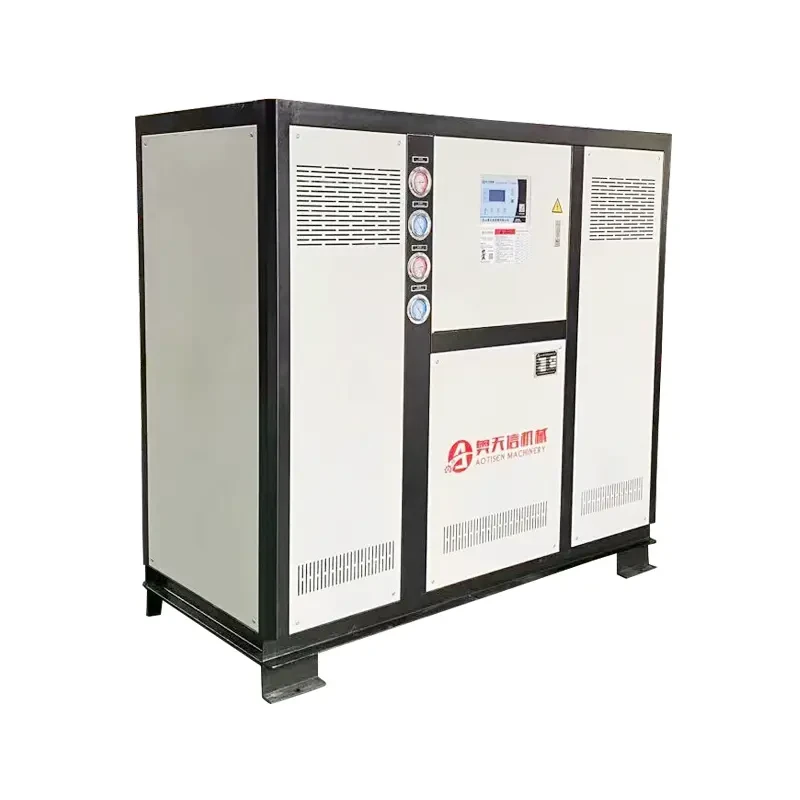
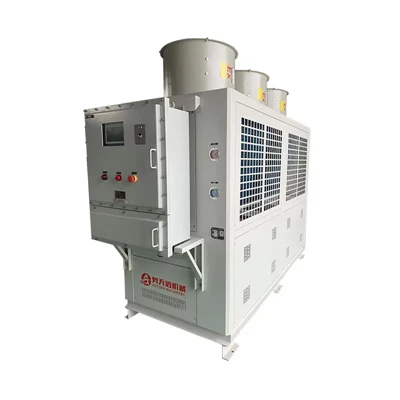
When choosing an air cooled industrial oil cooler, it's crucial to consider the ambient temperature of the location where it will be installed. You need to select a cooler that is rated to handle the expected temperature range. For areas with consistently high temperatures, you might want to look into more powerful models, such as Air Cooled Oil Chiller or Air Cooled Process Chiller, which are designed to provide better cooling performance in challenging conditions.
As a supplier, I understand that every industrial operation has unique cooling needs. That's why we offer a wide range of Air Cooled Industrial Oil Cooler options to suit different requirements and environments. Our coolers are designed with the latest technology to ensure maximum efficiency and reliability, even in high ambient temperatures.
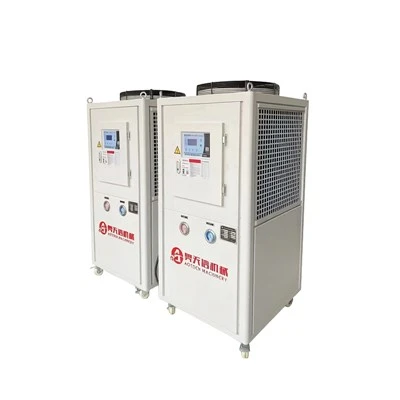
We also have Portable Industrial Chillers available, which are a great option if you need a flexible cooling solution. These chillers can be easily moved around and used in different locations, making them ideal for industries with changing cooling needs.
If you're in the market for an air cooled industrial oil cooler, or if you have any questions about how ambient temperature can affect the performance of your existing cooler, don't hesitate to reach out. We're here to help you find the best cooling solution for your industrial needs. Whether it's choosing the right model, providing installation advice, or offering maintenance support, we've got you covered.
In conclusion, ambient temperature plays a crucial role in the performance of an air cooled industrial oil cooler. Understanding this relationship can help you make informed decisions when it comes to choosing and operating your cooler. By taking the right steps to mitigate the effects of high temperatures, you can ensure the efficient and reliable operation of your industrial equipment. So, if you're looking for a high-quality air cooled industrial oil cooler, get in touch with us today, and let's discuss how we can meet your cooling needs.
References:
- Industrial Cooling Handbook
- Thermal Engineering Textbooks