


Hey there! As a supplier of Water Chiller Coolers, I'm super stoked to share with you how to install one. Whether you're running a small business or a big industrial setup, getting the installation right is key to making your chiller work like a charm.
Why You Need a Water Chiller Cooler
First off, let's talk about why you'd want a Water Chiller Cooler in the first place. These bad boys are used in a ton of industries, from manufacturing to food processing. They help keep things at the right temperature, which is crucial for the efficiency and longevity of your equipment.
For example, in a manufacturing plant, machines can get really hot during operation. If they're not cooled properly, they can break down or produce faulty products. A water chiller cooler steps in to regulate the temperature, making sure everything runs smoothly.
Types of Water Chiller Coolers
There are a few different types of water chiller coolers out there. We've got Industrial Air Cooled Water Chiller, which are great for places where you've got plenty of air circulation. They use air to cool the refrigerant, which is a pretty straightforward process.
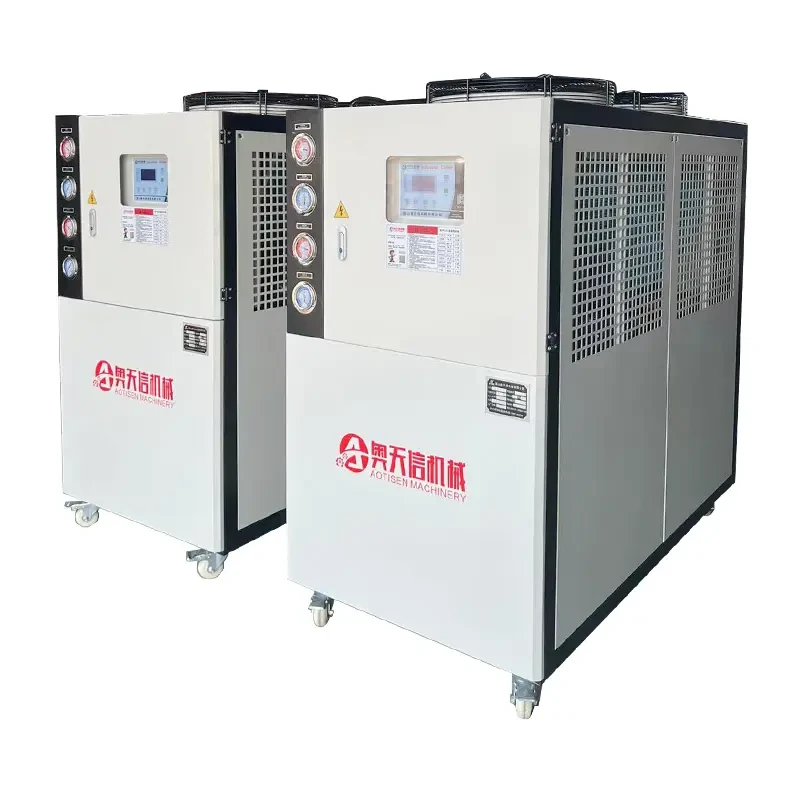
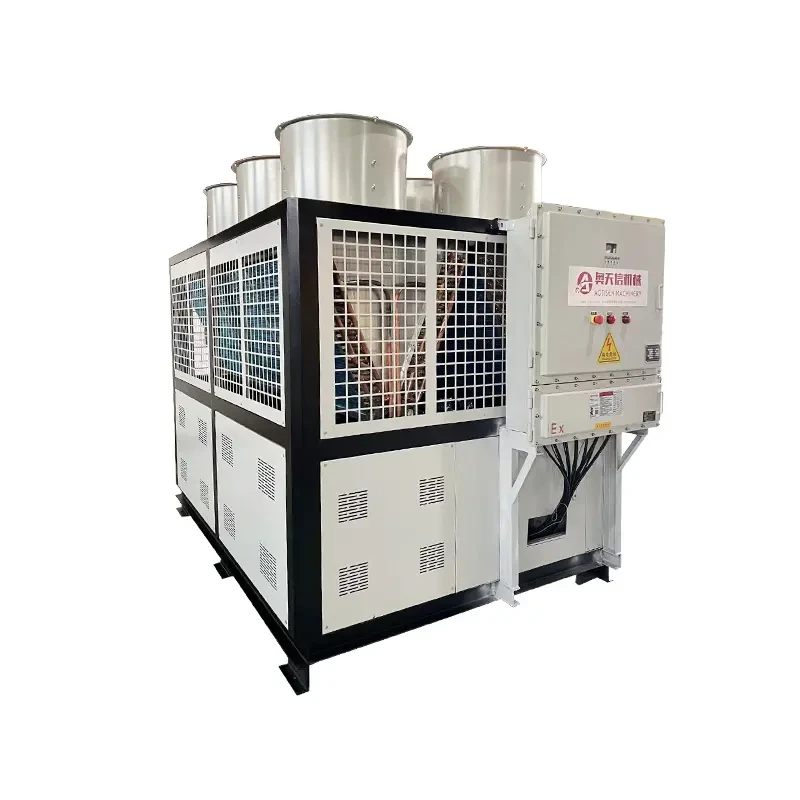
Then there are Portable Industrial Chillers. These are perfect if you need to move your chiller around or if you've got a smaller space. They're easy to set up and can be a real game - changer for businesses on the go.
We also offer Air Cooled Oil Chiller for applications where you need to cool oil. And if you're looking for something that can handle really low temperatures, our Low Temperature Water Chiller is the way to go.
Pre - installation Checks
Before you start installing your water chiller cooler, there are a few things you need to do.
Location
Pick a spot that's well - ventilated and level. Make sure there's enough space around the chiller for proper air circulation. You don't want it to be in a corner where air can't flow freely. Also, the location should be close to a power source and a water supply.
Power Supply
Check the power requirements of your chiller. You need to make sure the electrical outlet can handle the load. If you're not sure, it's a good idea to have an electrician take a look. You don't want to overload the circuit and cause a fire.
Water Supply
The water supply is crucial. You need to have a clean and reliable source of water. Check the water pressure and make sure it meets the requirements of your chiller. You might also need to install a water filter to prevent debris from clogging the system.
Installation Steps
Step 1: Unpacking
Carefully unpack your water chiller cooler. Check for any damage during shipping. If you find any, make sure to contact us right away. We'll do our best to sort it out for you.
Step 2: Positioning
Place the chiller in the location you've chosen. Make sure it's level using a spirit level. If it's not level, it can cause problems with the operation of the chiller.
Step 3: Connecting the Water Lines
Connect the water inlet and outlet lines to the chiller. Use the appropriate fittings and make sure they're tight. You don't want any water leaks. If you're not sure how to do this, refer to the installation manual that comes with your chiller.
Step 4: Connecting the Electrical Lines
Connect the electrical lines to the chiller. Again, follow the instructions in the manual. If you're not comfortable doing this, it's best to hire a professional electrician. Safety first, right?
Step 5: Filling the System
Fill the chiller system with water. You can do this using a hose connected to the water supply. Make sure to fill it to the appropriate level as indicated in the manual.
Step 6: Testing
Once everything is connected and filled, it's time to test the chiller. Turn it on and check for any leaks or strange noises. Monitor the temperature and make sure it's cooling as expected.
Maintenance Tips
After installation, it's important to keep your water chiller cooler in good shape.
- Regular Cleaning: Clean the condenser coils and the evaporator regularly to ensure proper heat transfer.
- Water Quality: Check the water quality and change the water if necessary. This helps prevent scale and corrosion.
- Filter Replacement: Replace the water filter and air filter as recommended by the manufacturer.
Troubleshooting
If you run into any problems with your water chiller cooler, don't panic. Here are some common issues and how to fix them:
- No Cooling: Check the power supply, the refrigerant level, and the water flow. Make sure everything is working as it should.
- Leaking Water: Check the water lines and fittings for leaks. Tighten them if necessary.
- Strange Noises: This could be a sign of a mechanical problem. Turn off the chiller and contact a professional for help.
Conclusion
Installing a water chiller cooler might seem a bit daunting at first, but if you follow these steps, you'll be good to go. Remember, if you have any questions or need further assistance, don't hesitate to reach out to us. We're here to help you get the most out of your water chiller cooler.
If you're interested in purchasing a water chiller cooler or have any questions about our products, feel free to contact us for a procurement discussion. We'll work with you to find the perfect solution for your needs.
References
- Manufacturer's installation and operation manuals
- Industry best practices for water chiller cooler installation and maintenance
