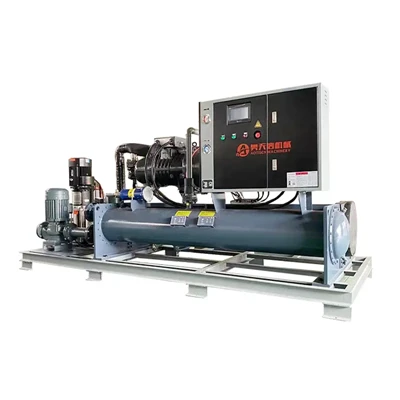
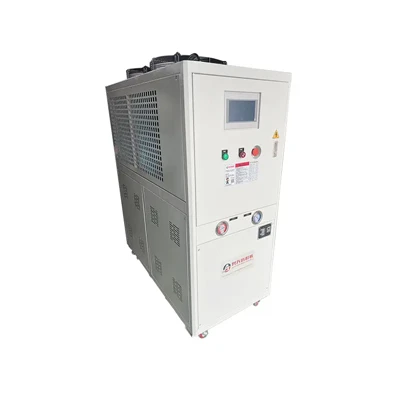
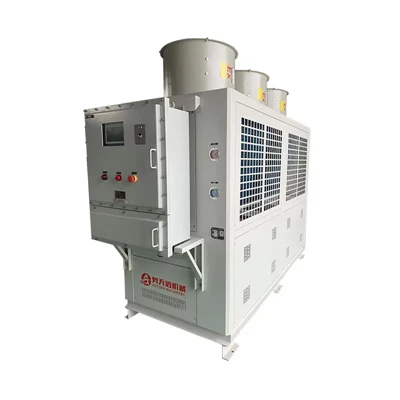
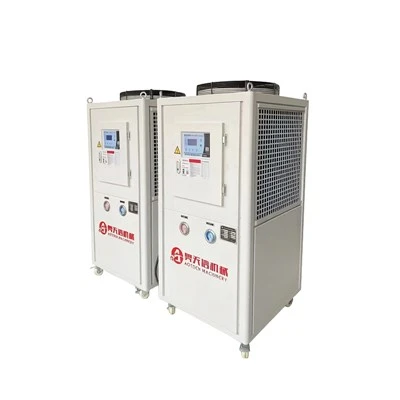
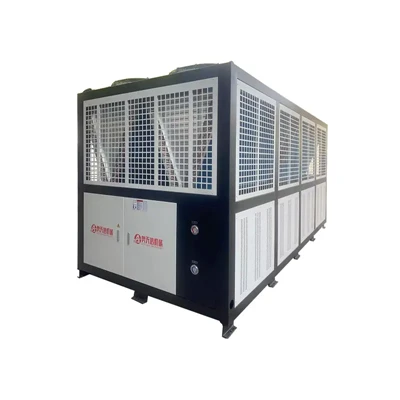
As a supplier of Water Chiller Coolers, I've received a lot of inquiries from customers about how to reduce the pressure drop in these coolers. Well, pressure drop can be a real pain in the neck and can significantly affect the efficiency and performance of your water chiller cooler. So, let's dig into some practical ways to keep that pressure drop in check.
First off, let's understand what causes pressure drop in a water chiller cooler. Pressure drop mainly occurs due to friction as the refrigerant or water flows through the pipes, coils, valves, and other components of the cooler. It can also be caused by blockages, improper sizing of components, and high flow velocities. When the pressure drop is too high, it means the system has to work harder to push the fluid through, which consumes more energy and can lead to premature wear and tear of the equipment.
One of the most effective ways to reduce pressure drop is to ensure proper pipe sizing. If the pipes are too small, the fluid will have to flow at a higher velocity, which increases friction and thus pressure drop. On the flip side, if the pipes are too large, it can lead to other issues like poor heat transfer. So, it's crucial to calculate the right pipe diameter based on the flow rate and the type of fluid in your water chiller cooler. You can consult a professional engineer or use online calculators to get the correct pipe sizing.
Another important factor is the cleanliness of the system. Over time, dirt, debris, and scale can accumulate inside the pipes and coils, causing blockages and increasing pressure drop. Regular maintenance and cleaning are essential to keep these components free from contaminants. You can use chemical cleaners or mechanical methods like flushing to remove the build - up. For example, a simple annual flushing of the system can go a long way in preventing excessive pressure drop.
The design of the coils also plays a big role. In a water chiller cooler, the coils are where the heat transfer takes place. A well - designed coil with smooth internal surfaces and proper fin spacing can reduce friction and pressure drop. When choosing a water chiller cooler, look for models with high - quality coils that are designed for efficient fluid flow. You can check out our Water Chiller Cooler range, which features advanced coil designs to minimize pressure drop.


Valves are another area where pressure drop can occur. Make sure the valves in your water chiller cooler are properly sized and functioning. A valve that is too small or not fully open can cause a significant increase in pressure drop. Regularly inspect and maintain the valves to ensure they are operating correctly. If you notice any signs of wear or malfunction, replace them immediately.
The flow rate of the fluid is also a key consideration. Running the water chiller cooler at a very high flow rate can increase pressure drop. On the other hand, a very low flow rate may not provide sufficient cooling. You need to find the optimal flow rate for your specific application. This might involve some trial and error, but you can also use flow meters and controllers to monitor and adjust the flow rate as needed.
Proper insulation of the pipes can also help reduce pressure drop. Insulation not only reduces heat loss but also helps maintain a more consistent fluid temperature. When the fluid temperature is stable, the viscosity remains relatively constant, which can lead to smoother flow and lower pressure drop. So, make sure to insulate all the pipes in your water chiller cooler system.
Now, let's talk about some related products. If you're in the market for industrial cooling solutions, we also offer Air Cooled Industrial Oil Cooler, Air Cooled Oil Chiller, Water Chiller for Industrial Use, and Air Cooled Process Chiller. These products are designed with efficiency and low pressure drop in mind, making them suitable for a wide range of industrial applications.
In conclusion, reducing the pressure drop in a water chiller cooler is all about proper design, regular maintenance, and careful operation. By following these tips, you can improve the efficiency of your cooler, reduce energy consumption, and extend the lifespan of the equipment. If you're interested in purchasing a water chiller cooler or have any questions about reducing pressure drop, feel free to reach out. We're here to help you make the best choice for your cooling needs and ensure that your system runs smoothly and efficiently.
References
- ASHRAE Handbook: Refrigeration. This handbook provides in - depth technical information on refrigeration systems, including factors affecting pressure drop in water chiller coolers.
- Manufacturer's manuals for water chiller coolers. These manuals often contain specific guidelines on maintenance and operation to minimize pressure drop.