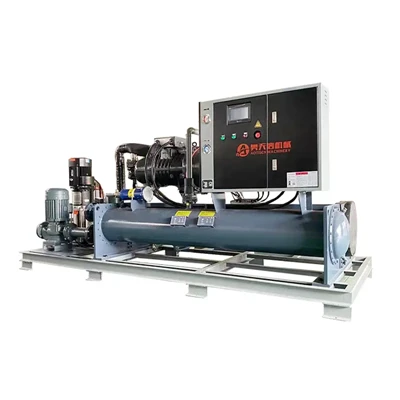
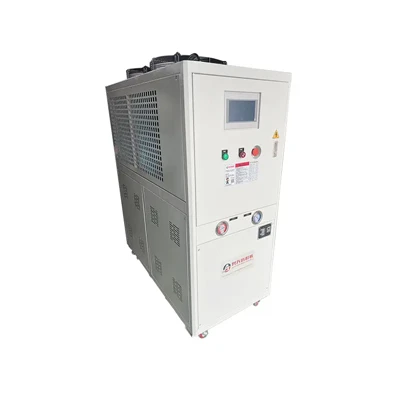
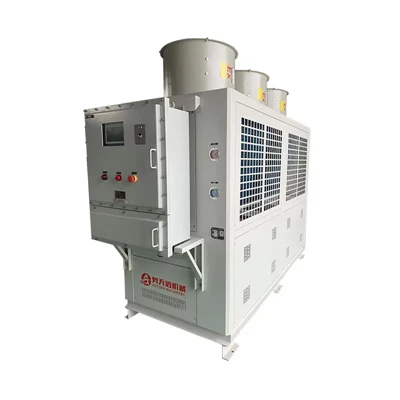
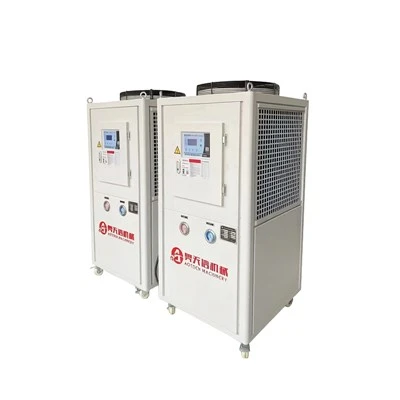
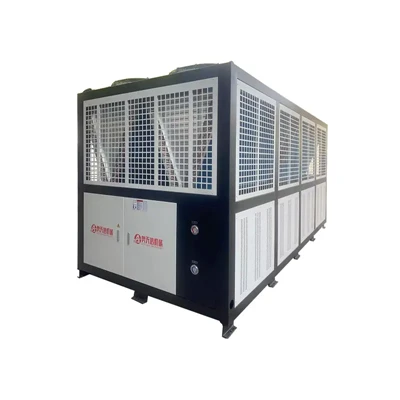
Yo, folks! As a supplier of water chiller coolers, I've seen my fair share of issues that can pop up with these machines. So, in this blog, I'm gonna walk you through how to troubleshoot a water chiller cooler. Whether you've got a Low Temperature Water Chiller, an Industrial Air Cooled Water Chiller, a Portable Industrial Chillers, an Air Cooled Oil Chiller, or an Air Cooled Process Chiller, these tips will come in handy.
1. Check the Power Supply
First things first, you gotta make sure your chiller is getting power. Sounds obvious, right? But you'd be surprised how many times this is the root of the problem. Check if the power cord is plugged in properly. If it's plugged into a surge protector or a power strip, make sure that's turned on and working. You can try plugging another device into the same outlet to see if it gets power. If not, it might be an issue with the outlet itself.
Sometimes, the problem could be with the circuit breaker. Head over to your electrical panel and see if the breaker for the chiller has tripped. If it has, flip it back on. If it keeps tripping, there's probably a short circuit or some other major electrical issue, and you might need to call in a professional electrician.
2. Inspect the Refrigerant Levels
The refrigerant is like the lifeblood of your water chiller cooler. If the levels are too low, the chiller won't be able to cool effectively. You can't just eyeball the refrigerant levels; you'll need some special tools for this. Some chillers have a sight glass that can give you a rough idea of the refrigerant level. If you see lots of bubbles in the sight glass, it could mean the refrigerant level is low.
But the most accurate way to check is by using a pressure gauge. You'll want to check the pressure at the suction and discharge sides of the compressor. If the pressure readings are outside the normal range specified in your chiller's manual, it could indicate a refrigerant leak or some other problem.
If you suspect a refrigerant leak, it's not something you wanna mess around with. Refrigerants are harmful to the environment, and working with them requires special training and certification. So, it's best to call a professional refrigeration technician to handle this.
3. Clean the Condenser and Evaporator Coils
Over time, dust, dirt, and debris can build up on the condenser and evaporator coils. This buildup can reduce the efficiency of the chiller and cause it to overheat. You can usually access the coils by removing the front or side panels of the chiller.
Use a soft brush or a vacuum cleaner with a soft brush attachment to gently clean the coils. Be careful not to bend the fins on the coils, as this can also affect the chiller's performance. If the coils are really dirty, you might need to use a coil cleaner. Just follow the instructions on the cleaner carefully.
4. Check the Water Flow
Proper water flow is crucial for the operation of a water chiller cooler. If the water flow is restricted, it can cause the chiller to overheat and malfunction. Start by checking the water inlet and outlet valves. Make sure they're fully open. You can also check the water filter. If it's clogged, it can restrict the water flow. Replace the filter if necessary.
Another thing you can do is check the water pump. Listen for any strange noises coming from the pump. If it's making a lot of noise or not running at all, there could be an issue with the pump motor or the impeller. You might need to call a technician to repair or replace the pump.
5. Examine the Compressor
The compressor is one of the most important components of a water chiller cooler. If it's not working properly, the chiller won't be able to cool. Start by listening for any strange noises coming from the compressor. If it's making a loud knocking or rattling sound, it could be a sign of a mechanical problem.
You can also check the compressor's electrical connections. Make sure they're tight and free of corrosion. If the compressor is overheating, it could be due to a lack of refrigerant, a blocked condenser, or a problem with the compressor itself. Again, this is something that's best left to a professional technician.
6. Look at the Controls and Sensors
Modern water chiller coolers are equipped with a variety of controls and sensors that help regulate the temperature and operation of the chiller. If these controls or sensors are malfunctioning, it can cause the chiller to behave erratically.
Check the temperature settings on the control panel. Make sure they're set to the correct values. If the chiller is not reaching the set temperature, it could be due to a faulty temperature sensor. You might need to replace the sensor if this is the case.
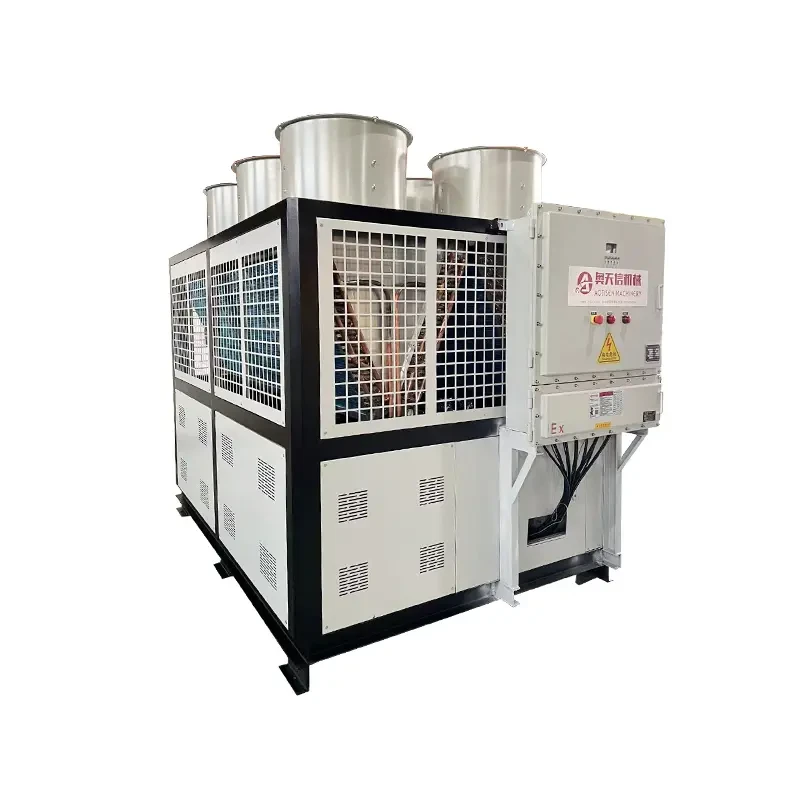

Also, check the other controls on the panel, such as the on/off switch, the fan speed control, and the alarm settings. Make sure they're all working properly.
7. Check for Leaks
Leaks can occur in various parts of the water chiller cooler, including the refrigerant lines, the water lines, and the condenser. Look for signs of water or refrigerant leaks, such as puddles on the floor, wet spots on the chiller, or a hissing sound.
If you find a leak, mark the location and call a professional technician right away. As I mentioned earlier, working with refrigerants requires special training and certification, and water leaks can cause damage to the chiller and the surrounding area if not fixed promptly.
Conclusion
Troubleshooting a water chiller cooler can seem like a daunting task, but by following these steps, you can often identify and fix the problem yourself. Remember, if you're not comfortable working on the chiller or if you're not sure what's causing the problem, it's always best to call a professional technician.
If you're in the market for a new water chiller cooler, or if you need replacement parts or maintenance services, don't hesitate to reach out. We've got a wide range of high-quality water chiller coolers, including Low Temperature Water Chiller, Industrial Air Cooled Water Chiller, Portable Industrial Chillers, Air Cooled Oil Chiller, and Air Cooled Process Chiller. Contact us for more information and to discuss your specific needs.
References
- Manufacturer's manuals for water chiller coolers
- HVAC industry best practices and guidelines