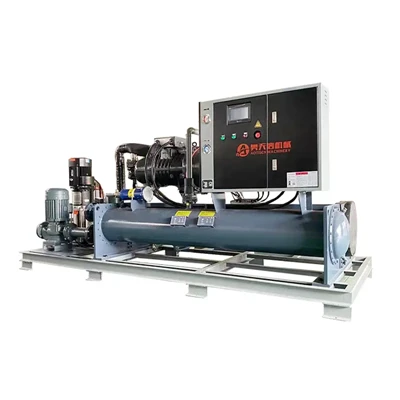
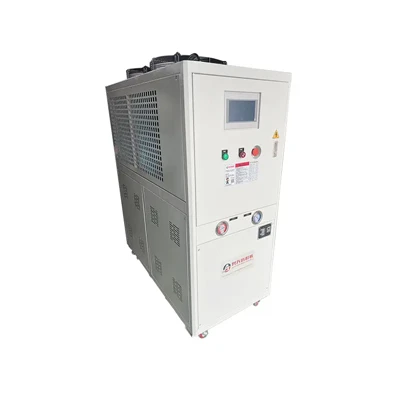
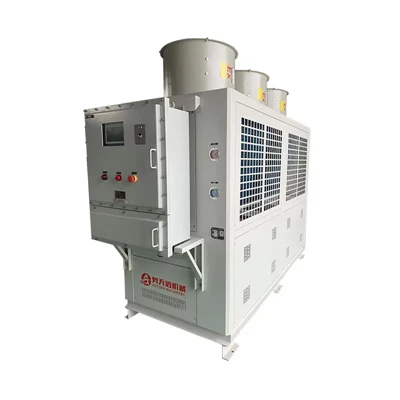
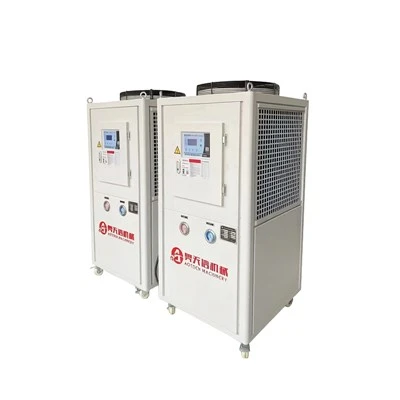
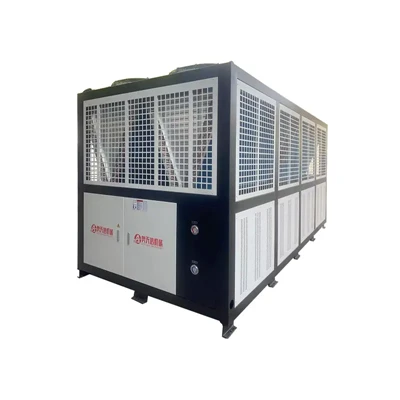
Hey there! As a supplier of Water Chiller Coolers, I've seen my fair share of issues that customers run into, and one of the most common headaches is dealing with vibrations. A vibrating water chiller cooler can not only be annoying but can also lead to some serious problems down the line, like damage to the equipment itself and nearby structures. So, in this blog post, I'm gonna share some tips on how to reduce the vibration of a water chiller cooler.
Understanding the Causes of Vibration
Before we jump into the solutions, it's important to understand what causes the vibration in the first place. There are several factors that can contribute to the vibration of a water chiller cooler:
- Imbalanced components: If the rotating parts of the chiller, such as the compressor or the fan, are not balanced properly, it can cause uneven forces that lead to vibration.
- Loose parts: Over time, the various parts of the chiller can become loose due to normal wear and tear. Loose bolts, nuts, or mounting brackets can all cause vibrations.
- Poor installation: If the chiller is not installed correctly, it can lead to misalignment and uneven stress on the components, resulting in vibration.
- Resonance: Sometimes, the chiller can vibrate in sync with other equipment or structures nearby, creating a resonance effect that amplifies the vibration.
Now that we know what causes the vibration, let's take a look at some ways to reduce it.
Tips to Reduce Vibration
1. Balance the Components
One of the most effective ways to reduce vibration is to balance the rotating components of the chiller. This involves adjusting the weight distribution of the compressor, fan, and other rotating parts so that they rotate smoothly. If you're not comfortable doing this yourself, you can hire a professional technician to do it for you. A balanced chiller will not only run more quietly but will also have a longer lifespan.
2. Tighten Loose Parts
Regularly inspect the chiller for any loose parts and tighten them as needed. This includes bolts, nuts, and mounting brackets. You can use a torque wrench to ensure that the parts are tightened to the correct specifications. If you notice any parts that are damaged or worn out, replace them immediately to prevent further vibration.
3. Improve the Installation
If the chiller was not installed correctly, it's important to have it reinstalled by a professional. A proper installation will ensure that the chiller is level, aligned correctly, and securely mounted. This will help to reduce the stress on the components and minimize vibration. Make sure to follow the manufacturer's installation instructions carefully to avoid any issues.
4. Use Vibration Isolation Mounts
Vibration isolation mounts are rubber or spring-based devices that are designed to absorb and dampen the vibrations generated by the chiller. They can be installed between the chiller and the floor or mounting surface to reduce the transmission of vibration. There are several types of vibration isolation mounts available, so make sure to choose the ones that are suitable for your chiller's size and weight.
5. Check for Resonance
If you suspect that the chiller is vibrating due to resonance, you can try changing the operating speed or frequency of the chiller. This can help to break the resonance effect and reduce the vibration. You can also try moving the chiller to a different location or adding additional support to the surrounding structures to reduce the impact of the vibration.

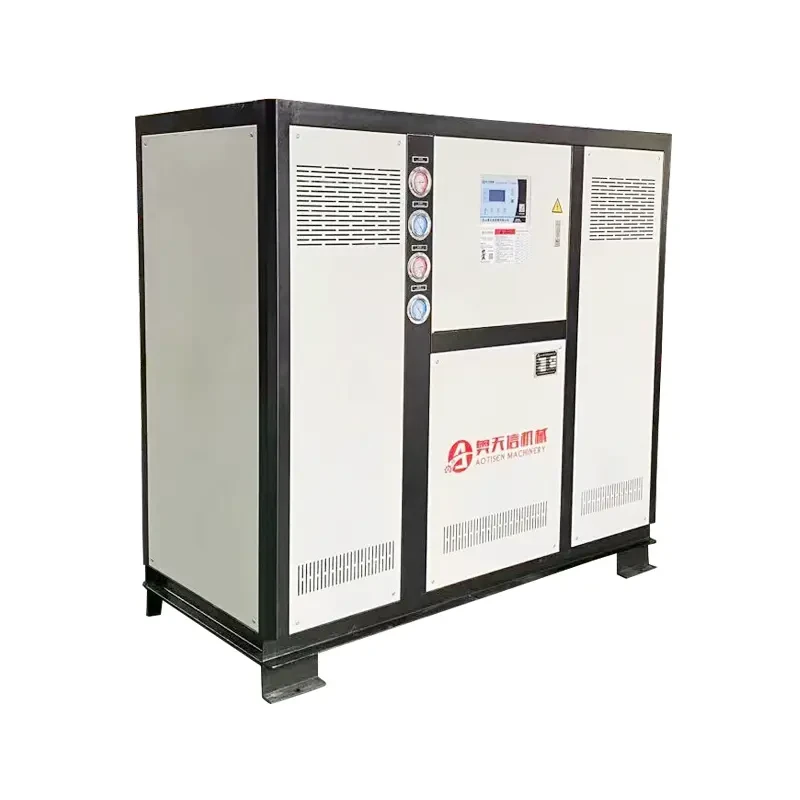
The Importance of Reducing Vibration
Reducing the vibration of a water chiller cooler is not just about making it run more quietly. It can also have a significant impact on the performance and longevity of the equipment. Excessive vibration can cause the components of the chiller to wear out faster, leading to costly repairs and replacements. It can also cause damage to the surrounding structures and equipment, which can be a safety hazard.
In addition, a vibrating chiller can also affect the quality of the cooling process. The vibration can cause the refrigerant to flow unevenly, which can reduce the efficiency of the chiller and lead to inconsistent cooling. By reducing the vibration, you can ensure that the chiller is operating at its optimal level and providing reliable cooling performance.
Our Water Chiller Cooler Products
At our company, we offer a wide range of Water Chiller Cooler s that are designed to meet the needs of various industries. Our chillers are built with high-quality components and advanced technology to ensure reliable performance and low vibration.
- Air Cooled Industrial Oil Cooler: This type of cooler is ideal for applications where oil cooling is required. It uses air as the cooling medium, which makes it energy-efficient and easy to maintain.
- Air Cooled Oil Chiller: Our air-cooled oil chiller is designed to provide precise temperature control for industrial oil cooling applications. It is compact, reliable, and easy to install.
- Water Chiller for Industrial Use: This water chiller is suitable for a wide range of industrial applications, including plastic processing, laser cutting, and food and beverage production. It offers high efficiency and reliable performance.
- Air Cooled Process Chiller: Our air-cooled process chiller is designed to provide cooling for various industrial processes. It is available in different sizes and capacities to meet the specific needs of our customers.
Contact Us for More Information
If you're interested in learning more about our water chiller cooler products or have any questions about reducing vibration, please don't hesitate to contact us. Our team of experts is always ready to help you find the right solution for your cooling needs. We can also provide you with a free consultation and quote to help you make an informed decision.
References
- "Industrial Refrigeration Handbook" by C.J. Pettersen
- "HVAC Systems and Equipment" by R.A. Gandhidasan
So, there you have it - some tips on how to reduce the vibration of a water chiller cooler. I hope this post has been helpful to you. If you have any other questions or need further advice, feel free to leave a comment below.