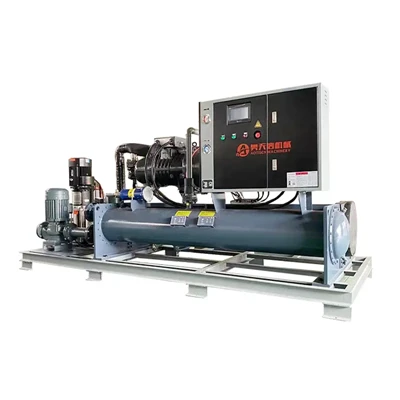
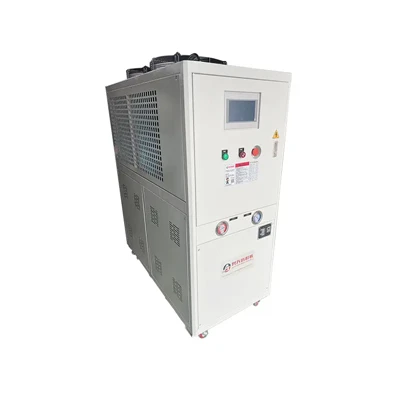
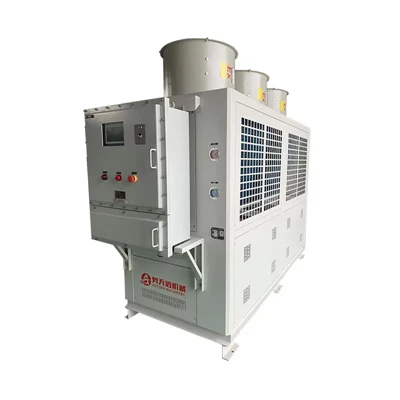
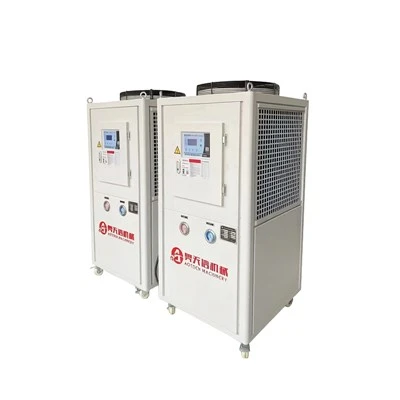
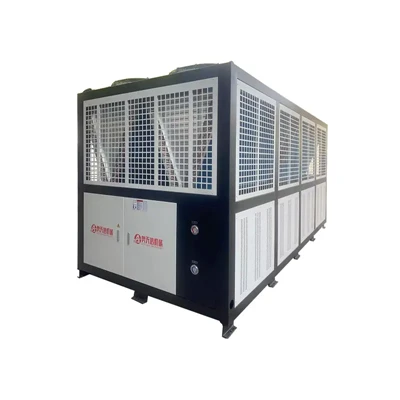
As a provider of Air Cooled Process Chillers, I've witnessed firsthand the significant impact of compressor efficiency on the overall performance and cost - effectiveness of these machines. In this blog post, I'll delve into how compressor efficiency affects an air cooled process chiller, exploring various aspects such as energy consumption, cooling capacity, and maintenance requirements.
Energy Consumption
One of the most direct and crucial impacts of compressor efficiency on an air cooled process chiller is energy consumption. Compressors are the heart of the chiller system, responsible for compressing the refrigerant gas and increasing its pressure and temperature. This process requires a substantial amount of electrical energy.
A highly efficient compressor operates with less energy loss during the compression process. That means it can achieve the same level of refrigerant compression using less electricity compared to a less - efficient compressor. For instance, modern compressors with advanced compression technologies, like variable speed drives, can adjust their operation according to the actual cooling load. When the cooling demand is low, the compressor can slow down, significantly reducing energy consumption.
On the contrary, if the compressor in an air cooled process chiller is inefficient, it will draw more power to maintain the desired cooling effect. Over time, this can lead to exorbitant energy bills. For industrial users who rely on air cooled process chillers for continuous operation, the difference in energy costs between an efficient and an inefficient compressor can be staggering. This not only affects the bottom line but also has broader environmental implications in terms of increased carbon emissions.
Cooling Capacity and Performance
Compressor efficiency also has a direct bearing on the cooling capacity of an air cooled process chiller. An efficient compressor can compress the refrigerant more effectively, which in turn allows the chiller to transfer more heat from the process fluid to the surrounding air.
When a compressor is working at peak efficiency, it can maintain a stable and consistent refrigerant flow. This consistency is vital for ensuring that the chiller can meet the precise cooling requirements of industrial processes. For example, in industries such as food and beverage manufacturing or pharmaceutical production, where temperature control is critical, an efficient compressor can guarantee that the process fluid remains at the desired temperature.
In contrast, an inefficient compressor may struggle to meet the cooling demands, especially during peak load conditions. This can result in insufficient cooling, leading to product quality issues in industrial applications. Moreover, an inefficient compressor may cause temperature fluctuations, which can disrupt sensitive processes and potentially damage equipment.
As an Air Cooled Process Chiller supplier, we understand the importance of providing chillers with high - efficiency compressors. Our Air Cooled Process Chiller series is designed to incorporate the latest compressor technologies to ensure optimal cooling performance under various operating conditions.
Maintenance Requirements
The efficiency of the compressor can also influence the maintenance requirements of an air cooled process chiller. A well - designed, efficient compressor is typically more reliable and has a lower risk of mechanical failures.
Efficient compressors generate less heat during operation because they convert a higher percentage of the input energy into useful compression work. This reduced heat generation means less wear and tear on the compressor components, such as the pistons, valves, and bearings. As a result, the compressor is less likely to experience breakdowns, and the overall maintenance frequency can be reduced.
On the other hand, an inefficient compressor generates more waste heat, which can accelerate the degradation of lubricants and cause thermal stress on the components. This can lead to more frequent maintenance requirements, including part replacements and system overhauls. The increased maintenance not only incurs additional costs but also results in downtime for the chiller system, which can be extremely costly for industrial operations.
Impact on System Lifespan
The efficiency of the compressor can significantly affect the lifespan of the entire air cooled process chiller system. A compressor that operates efficiently experiences less stress and wear over time. This means that it can continue to function properly for a longer period without major malfunctions.
When the compressor runs smoothly, it also helps to maintain the overall integrity of the chiller system. The refrigerant flow remains stable, and other components such as the condenser and evaporator are not subjected to abnormal operating conditions. As a result, the entire chiller system can have a longer service life.

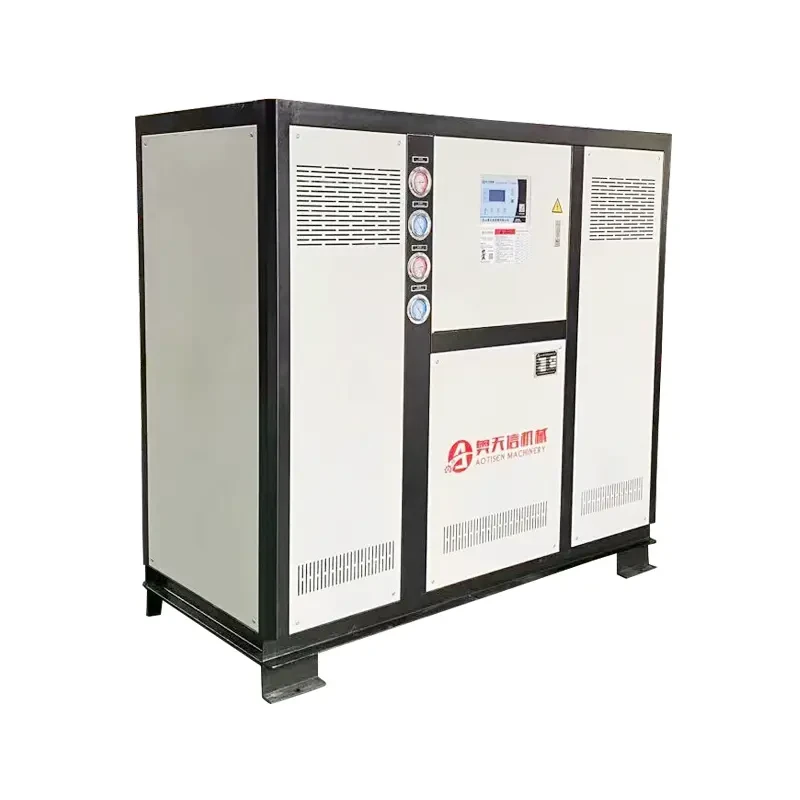
In contrast, an inefficient compressor can cause premature failure of the chiller system. The excessive heat and mechanical stress generated by the inefficient compressor can damage other components in the system, leading to a cascade of failures. This can force industrial users to replace the entire chiller system earlier than expected, resulting in substantial financial losses.
Cost - Benefit Analysis
When considering the purchase of an air cooled process chiller, it's essential to conduct a cost - benefit analysis that takes into account the compressor efficiency. While chillers with high - efficiency compressors may have a higher upfront cost, the long - term savings in energy consumption and maintenance costs can far outweigh the initial investment.
For example, let's assume an industrial user is comparing two air cooled process chillers. One chiller has an inefficient compressor and costs $10,000, while the other has a highly efficient compressor and costs $15,000. The inefficient chiller may consume 30% more energy annually, and its maintenance costs may be 50% higher. Over a five - year period, the total cost of ownership of the inefficient chiller could be significantly higher than that of the efficient one.
As a supplier, we offer a range of Water Chiller for Industrial Use and Low Temperature Water Chiller options, all designed with energy - efficient compressors to provide our customers with the best long - term value.
Conclusion
In conclusion, the efficiency of the compressor has a profound impact on an air cooled process chiller. It affects energy consumption, cooling capacity, maintenance requirements, system lifespan, and overall cost - effectiveness. As an Air Cooled Process Chiller supplier, we are committed to providing our customers with chillers that feature the latest and most efficient compressor technologies.
If you are in the market for an air cooled process chiller or any other industrial cooling equipment such as Water Chiller Cooler or Air Cooled Oil Chiller, we encourage you to contact us for more information. Our team of experts can help you select the most suitable chiller for your specific needs and provide you with detailed information on the energy efficiency and cost - saving potential of our products. Let's start a discussion on your cooling requirements and find the best solution together.
References
- ASHRAE Handbook - HVAC Systems and Equipment.
- Compressor Efficiency Standards and Guidelines by International Energy Agency.
- Industrial Refrigeration Systems: Design and Operation, various editions.