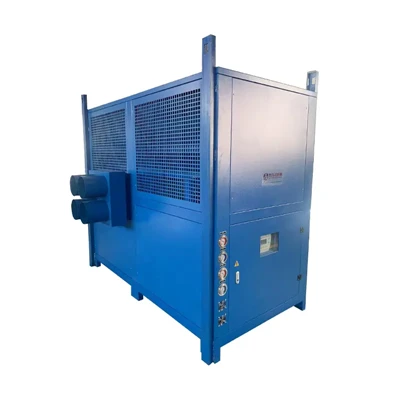
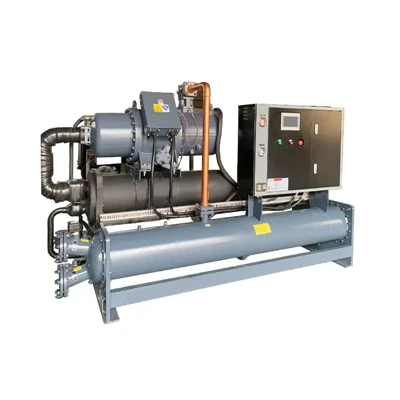
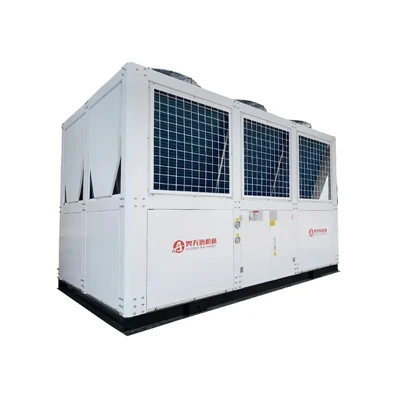
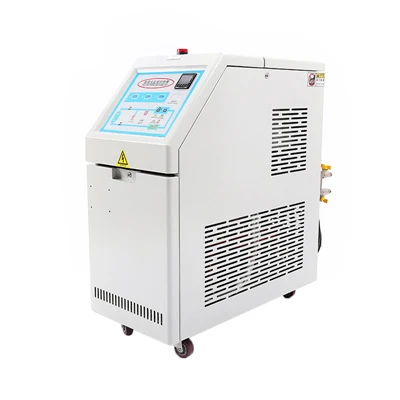
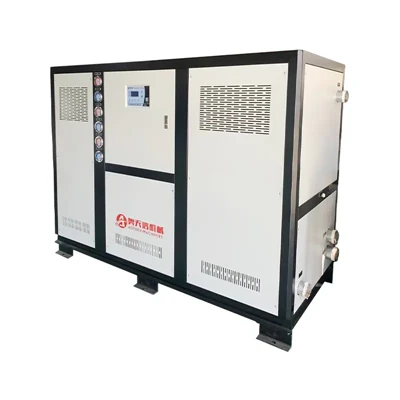
As a supplier of Closed Type Cooling Towers, I am often asked about how these essential pieces of industrial equipment work. In this blog post, I will delve into the working principle of a closed type cooling tower, exploring its components, operation, and advantages.
Components of a Closed Type Cooling Tower
Before we discuss the working principle, let's first understand the main components of a closed type cooling tower. These include:
1. Heat Exchanger
The heat exchanger is the core of the closed type cooling tower. It is designed to transfer heat from the hot fluid (such as water or coolant) to the surrounding air and water. There are different types of heat exchangers used in closed type cooling towers, such as coil - type heat exchangers. The hot fluid flows inside the coils, while air and water flow outside the coils to remove heat.
2. Fan
The fan is responsible for drawing air into the cooling tower. It creates an airflow that helps in the heat transfer process. The size and power of the fan depend on the capacity of the cooling tower. A well - designed fan can ensure efficient air circulation and heat dissipation.
3. Water Distribution System
This system is used to distribute water evenly over the heat exchanger. It consists of nozzles or spray headers that spray water onto the outer surface of the heat exchanger coils. The evenly distributed water forms a thin film on the coils, which enhances the heat transfer rate.
4. Drift Eliminators
Drift eliminators are installed to prevent water droplets from being carried away by the exhaust air. They capture the water droplets and return them to the cooling tower, reducing water loss and environmental pollution.
5. Sump
The sump is located at the bottom of the cooling tower. It collects the water that has flowed over the heat exchanger. The collected water is then recirculated through the water distribution system.
Working Principle
The working process of a closed type cooling tower can be divided into the following steps:
1. Hot Fluid Inlet
The hot fluid, which could be the coolant from an industrial process like a Mould Temperature Controller Oil or a Water Mold Temperature Machine, enters the heat exchanger inside the closed type cooling tower. The temperature of this fluid is relatively high, and it needs to be cooled down to maintain the efficiency and safety of the industrial equipment.
2. Air Intake
The fan starts to operate, and it draws ambient air into the cooling tower from the bottom or the sides. The air then passes through the heat exchanger area.
3. Water Spraying
The water distribution system sprays water onto the outer surface of the heat exchanger coils. As the hot fluid inside the coils transfers heat to the coils, the water on the outside absorbs this heat. The heat transfer occurs mainly through two mechanisms: sensible heat transfer and latent heat transfer.
Sensible Heat Transfer
Sensible heat transfer is the process where the temperature of the water increases as it absorbs heat from the hot coils. The water gets warmer, but its phase remains liquid. This is similar to when you heat a pot of water on the stove, and you can feel the water getting hotter without it boiling.
Latent Heat Transfer
Latent heat transfer is a more efficient way of removing heat. When a part of the sprayed water evaporates, it absorbs a large amount of latent heat from the coils. Evaporation requires energy, and this energy is taken from the heat of the hot fluid inside the coils. As a result, the temperature of the hot fluid drops significantly.


4. Exhaust Air
The warm, moist air that has absorbed heat from the heat exchanger is then exhausted out of the cooling tower through the top by the fan. The drift eliminators ensure that most of the water droplets in the air are captured before the air is released, reducing water loss.
5. Cooled Fluid Outlet
After the heat transfer process, the hot fluid inside the coils is cooled down to the desired temperature. It then exits the closed type cooling tower and is recirculated back to the industrial equipment, such as a Water Mold Temperature Controller or a Hydraulic Oil Chiller Unit, to continue its cooling function.
6. Water Recirculation
The water that has collected in the sump at the bottom of the cooling tower is recirculated through the water distribution system using a pump. Some make - up water is added to the sump to compensate for the water lost due to evaporation.
Advantages of Closed Type Cooling Towers
1. Protection of the Cooling Fluid
Since the hot fluid is contained within the closed - loop heat exchanger, it is protected from contamination by external factors such as dust, dirt, and chemicals in the environment. This helps to maintain the quality and performance of the cooling fluid and reduces the frequency of fluid replacement.
2. Energy Efficiency
Closed type cooling towers can achieve high - efficiency heat transfer through the combined action of sensible and latent heat transfer. The use of fans and water distribution systems can be optimized to reduce energy consumption while still providing effective cooling.
3. Environmental Friendliness
With the use of drift eliminators, the water loss is minimized, which is beneficial for water conservation. Additionally, since the cooling fluid is not exposed to the environment, it reduces the risk of environmental pollution.
4. Wide Applicability
Closed type cooling towers can be used in a variety of industrial applications, including plastic injection molding, metal processing, power generation, and more. They can handle different types of cooling fluids and meet the cooling requirements of various industrial processes.
Conclusion
In summary, the closed type cooling tower is a highly efficient and reliable cooling solution for industrial applications. Its working principle, based on the effective combination of heat transfer mechanisms and the operation of various components, allows it to cool hot fluids effectively while protecting the cooling fluid and the environment.
If you are in need of a high - quality Closed Type Cooling Tower for your industrial processes, we are here to provide you with the best solutions. Our products are designed with advanced technology and high - quality materials to ensure long - term and stable performance. Contact us for more information and to discuss your specific requirements. We look forward to working with you to meet your cooling needs.
References
- Cooling Tower Institute. (20XX). Handbook of Cooling Tower Technology.
- ASHRAE (American Society of Heating, Refrigerating and Air - Conditioning Engineers). (20XX). ASHRAE Handbook - HVAC Systems and Equipment.