Hey there! As a supplier of Closed Cell Cooling Towers, I've seen my fair share of issues that customers run into. Today, I'm gonna walk you through how to troubleshoot a closed cell cooling tower. Whether you're a newbie or a seasoned pro, these tips should come in handy.
Understanding the Basics
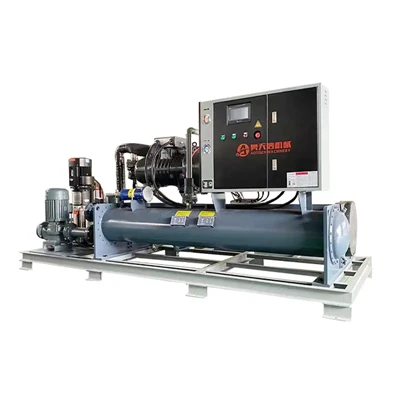
First off, let's get on the same page about what a Closed Cell Cooling Tower is. A Closed Cell Cooling Tower is a type of industrial cooling equipment that uses a closed-loop system to cool water or other fluids. It's great for applications where you need to keep the coolant clean and free from contaminants.
Common Problems and Solutions
1. Low Cooling Efficiency
One of the most common issues is low cooling efficiency. If your cooling tower isn't cooling as well as it should, there could be a few reasons.
- Fouling: Over time, dirt, debris, and scale can build up on the heat exchanger surfaces. This reduces the heat transfer efficiency. To fix this, you can perform regular cleaning. You might need to use a chemical cleaner specifically designed for cooling tower heat exchangers. Make sure to follow the manufacturer's instructions.
- Insufficient Airflow: If the fans aren't working properly or there's a blockage in the air intake or exhaust, the cooling efficiency will drop. Check the fans for any signs of damage or wear. Also, make sure there are no obstructions around the tower.
2. Leakage
Leakage is another problem that can occur. If you notice water pooling around the tower or a drop in the coolant level, there's likely a leak.
- Pipe Connections: Check all the pipe connections for any signs of looseness or damage. Tighten any loose connections and replace any damaged gaskets or seals.
- Shell and Tube Heat Exchanger: If the heat exchanger is leaking, it could be due to a cracked tube or a damaged shell. In this case, you might need to replace the heat exchanger.
3. High Noise Levels
Excessive noise can be a nuisance. It could be a sign of a mechanical problem.
- Fan Issues: Check the fan blades for any damage or imbalance. If the blades are damaged, replace them. You can also adjust the fan speed to reduce noise.
- Motor Problems: If the motor is making a lot of noise, it could be due to worn bearings or a misaligned motor. Have a professional technician inspect and repair the motor.
4. Water Quality Issues
Poor water quality can cause a variety of problems in a closed cell cooling tower.
- Scaling: Hard water can cause scale to form on the heat exchanger surfaces. To prevent scaling, you can use a water softener or a scale inhibitor.
- Microbial Growth: Bacteria, algae, and fungi can grow in the water, leading to slime and fouling. Use a biocide to control microbial growth.
Step-by-Step Troubleshooting Guide
Step 1: Visual Inspection
Start by doing a visual inspection of the cooling tower. Look for any signs of damage, leakage, or blockages. Check the fans, motors, pipes, and heat exchanger.
Step 2: Check the Operating Parameters
Measure the temperature, pressure, and flow rate of the coolant. Compare these values to the manufacturer's specifications. If any of the values are out of range, there could be a problem.
Step 3: Analyze the Water Quality
Take a water sample and have it tested for pH, hardness, and microbial content. Based on the test results, you can take appropriate measures to improve the water quality.
Step 4: Perform Maintenance
If you find any issues during the inspection or analysis, perform the necessary maintenance. This could include cleaning, repairing, or replacing parts.


Related Products
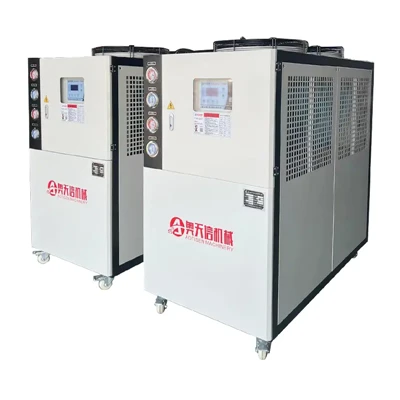
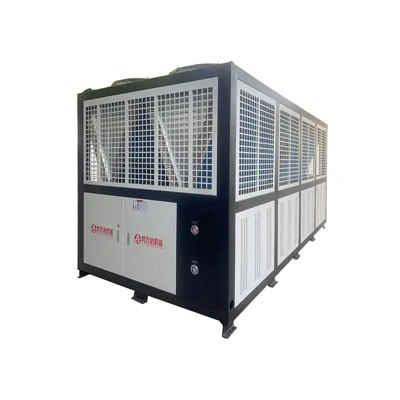
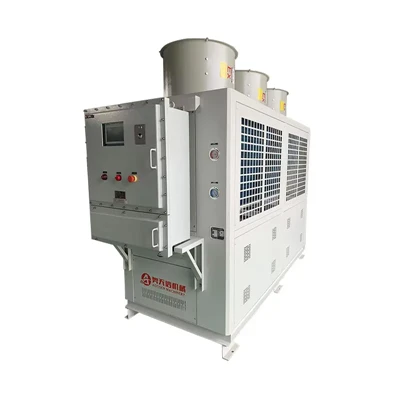
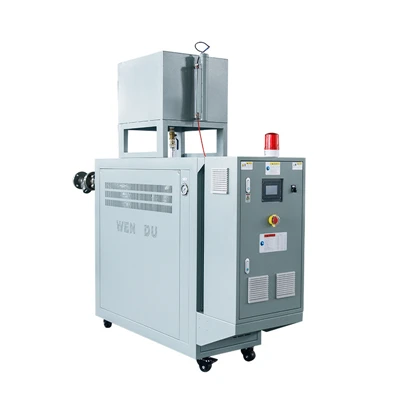
If you're in the market for other industrial cooling equipment, we also offer Closed Type Cooling Tower, Hydraulic Oil Chiller Unit, Water Mold Temperature Machine, and Mold Heater Controller. These products can work in conjunction with your closed cell cooling tower to provide a comprehensive cooling solution.
Conclusion
Troubleshooting a closed cell cooling tower might seem daunting at first, but with a little knowledge and some basic tools, you can diagnose and fix most problems. Remember to perform regular maintenance to keep your cooling tower running smoothly.
If you have any questions or need help with troubleshooting your closed cell cooling tower, or if you're interested in purchasing our products, feel free to reach out. We're here to assist you in finding the best cooling solution for your needs.
References
- Cooling Tower Institute. (2023). Cooling Tower Operation and Maintenance Manual.
- ASHRAE Handbook. (2023). HVAC Systems and Equipment.