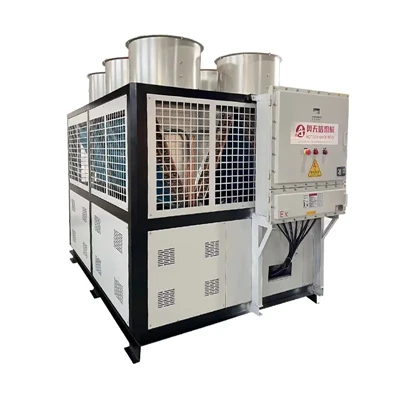
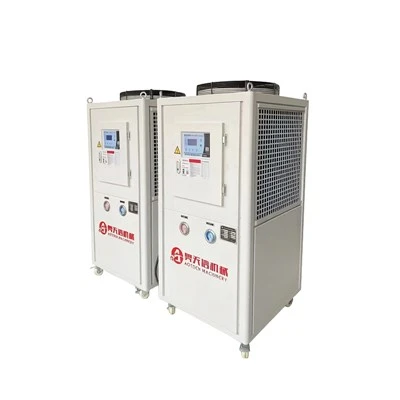
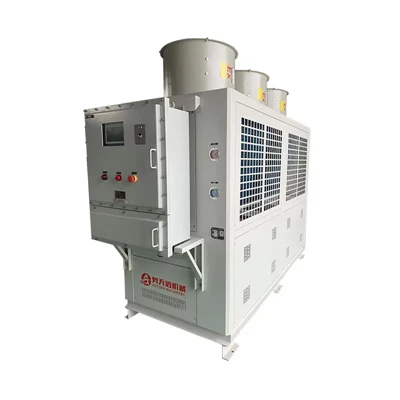
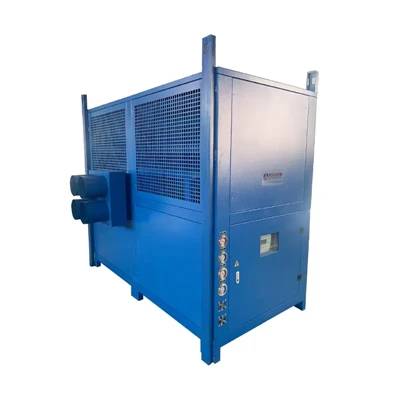
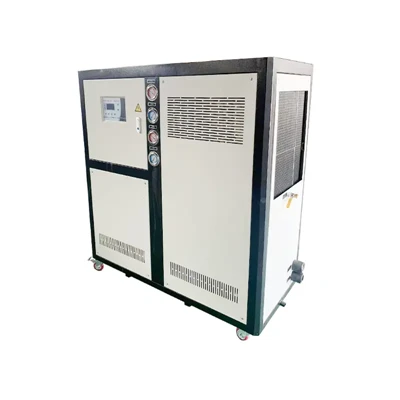
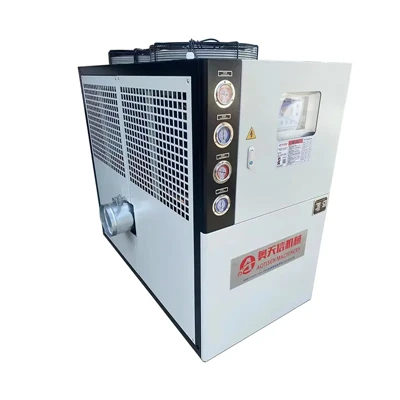
In the realm of industrial operations, an industrial big cooler stands as a cornerstone for maintaining optimal working conditions, especially in environments where heat generation is a constant challenge. However, one of the most significant threats to these essential machines is corrosion. Corrosion not only compromises the structural integrity of the cooler but also reduces its efficiency and lifespan, leading to increased maintenance costs and potential operational disruptions. As a trusted supplier of Heavy Duty Industrial Cooler, Large Industrial Cooler, Industrial Big Cooler, Industrial Jumbo Cooler, and Air Cooler for Industries, we understand the critical importance of implementing effective anti-corrosion measures. In this blog, we will explore the various anti-corrosion strategies that can safeguard your industrial big cooler and ensure its long-term performance.
Understanding the Causes of Corrosion in Industrial Big Coolers
Before delving into the anti-corrosion measures, it is crucial to understand the root causes of corrosion in industrial big coolers. Corrosion is a natural process that occurs when metals react with their environment, leading to the deterioration of the metal surface. In the context of industrial big coolers, several factors can contribute to corrosion:
- Moisture: Water is one of the primary catalysts for corrosion. Industrial big coolers often operate in humid environments or come into contact with water during the cooling process. Moisture can combine with oxygen in the air to form rust, especially on ferrous metals.
- Chemicals: Industrial settings may expose coolers to various chemicals, such as acids, alkalis, and salts. These chemicals can accelerate the corrosion process by reacting with the metal surface.
- Temperature: High temperatures can increase the rate of corrosion. In industrial processes, coolers may be subjected to elevated temperatures, which can exacerbate the chemical reactions that lead to corrosion.
- Airborne Particles: Dust, dirt, and other airborne particles can accumulate on the surface of the cooler, creating a layer that traps moisture and chemicals. This can promote corrosion by providing a conducive environment for chemical reactions.
Anti-Corrosion Measures for Industrial Big Coolers
Material Selection
The choice of materials is the first line of defense against corrosion. When selecting an industrial big cooler, consider using corrosion-resistant materials such as stainless steel, aluminum, or fiberglass-reinforced plastics (FRP).
- Stainless Steel: Stainless steel contains chromium, which forms a passive oxide layer on the surface, protecting the metal from corrosion. It is highly resistant to a wide range of corrosive agents, including moisture, acids, and alkalis. However, it is important to choose the right grade of stainless steel based on the specific operating environment.
- Aluminum: Aluminum has a natural oxide layer that provides some protection against corrosion. It is lightweight, cost-effective, and has good thermal conductivity. However, aluminum can be susceptible to corrosion in certain acidic or alkaline environments, so proper coating or treatment may be required.
- Fiberglass-Reinforced Plastics (FRP): FRP is a composite material made of fiberglass and resin. It is highly resistant to corrosion, lightweight, and has excellent mechanical properties. FRP is a popular choice for industrial big coolers in harsh environments where corrosion is a major concern.
Surface Coating
Applying a protective coating to the surface of the cooler can act as a barrier between the metal and the corrosive environment. There are several types of coatings available, each with its own advantages and disadvantages:


- Paint Coatings: Paint coatings are a common and cost-effective way to protect metal surfaces from corrosion. They can provide a decorative finish while also preventing moisture and chemicals from reaching the metal. There are different types of paint coatings available, such as epoxy, polyurethane, and acrylic. The choice of paint coating depends on the specific operating environment and the requirements of the cooler.
- Zinc Coatings: Zinc coatings, such as galvanizing, are widely used to protect steel from corrosion. Galvanizing involves applying a layer of zinc to the steel surface, which acts as a sacrificial anode. The zinc corrodes preferentially to the steel, protecting it from rust. Galvanized steel is commonly used in industrial big coolers due to its excellent corrosion resistance and durability.
- Ceramic Coatings: Ceramic coatings offer high-temperature resistance and excellent corrosion protection. They can be applied to the internal and external surfaces of the cooler to prevent corrosion and improve thermal efficiency. Ceramic coatings are particularly suitable for coolers operating in high-temperature environments.
Design Considerations
Proper design can also play a crucial role in preventing corrosion in industrial big coolers. Here are some design considerations to keep in mind:
- Drainage: Ensure that the cooler is designed with proper drainage to prevent the accumulation of water. This can be achieved by incorporating slope in the base of the cooler and providing drain holes.
- Ventilation: Adequate ventilation is essential to reduce humidity and prevent the formation of condensation. Design the cooler with sufficient vents to allow air circulation and remove moisture.
- Accessibility: Make sure that the cooler is designed for easy access and maintenance. This will allow for regular inspections and cleaning, which can help prevent the buildup of contaminants that can lead to corrosion.
Maintenance and Monitoring
Regular maintenance and monitoring are essential to ensure the long-term performance of the industrial big cooler and prevent corrosion. Here are some maintenance and monitoring practices to follow:
- Cleaning: Regularly clean the cooler to remove dirt, dust, and other contaminants. Use a mild detergent and water to clean the surface of the cooler, and avoid using abrasive cleaners that can damage the protective coating.
- Inspection: Conduct regular inspections to check for signs of corrosion, such as rust, pitting, or discoloration. Look for areas where moisture or chemicals may be accumulating, and take appropriate measures to address the issue.
- Lubrication: Lubricate moving parts regularly to prevent corrosion and ensure smooth operation. Use a lubricant that is compatible with the materials used in the cooler.
- Monitoring: Install corrosion monitoring devices, such as corrosion sensors or probes, to track the corrosion rate and detect early signs of corrosion. This will allow you to take proactive measures to prevent further damage.
Conclusion
Corrosion is a significant challenge for industrial big coolers, but by implementing effective anti-corrosion measures, you can protect your investment and ensure the long-term performance of your cooler. As a leading supplier of industrial coolers, we are committed to providing high-quality products and professional advice on anti-corrosion solutions. Whether you need a Heavy Duty Industrial Cooler, Large Industrial Cooler, Industrial Big Cooler, Industrial Jumbo Cooler, or Air Cooler for Industries, our team of experts can help you choose the right product and implement the best anti-corrosion strategies for your specific needs.
If you are interested in learning more about our industrial coolers or would like to discuss your anti-corrosion requirements, please feel free to contact us. We look forward to the opportunity to serve you and help you achieve optimal cooling performance in your industrial operations.
References
- Fontana, M. G. (1986). Corrosion Engineering. McGraw-Hill.
- Uhlig, H. H., & Revie, R. W. (1985). Corrosion and Corrosion Control. Wiley-Interscience.
- ASM International. (2003). Corrosion Basics: An Introduction. ASM International.