What is the water circulation system design of a water mold temperature machine?
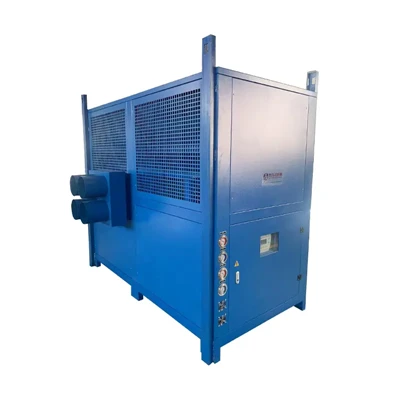
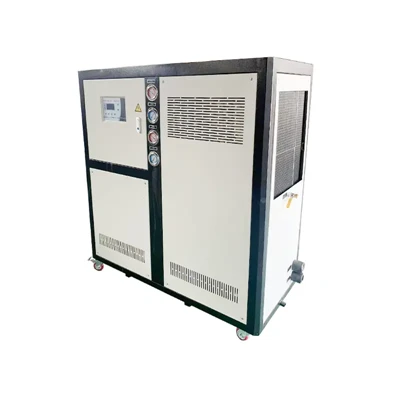
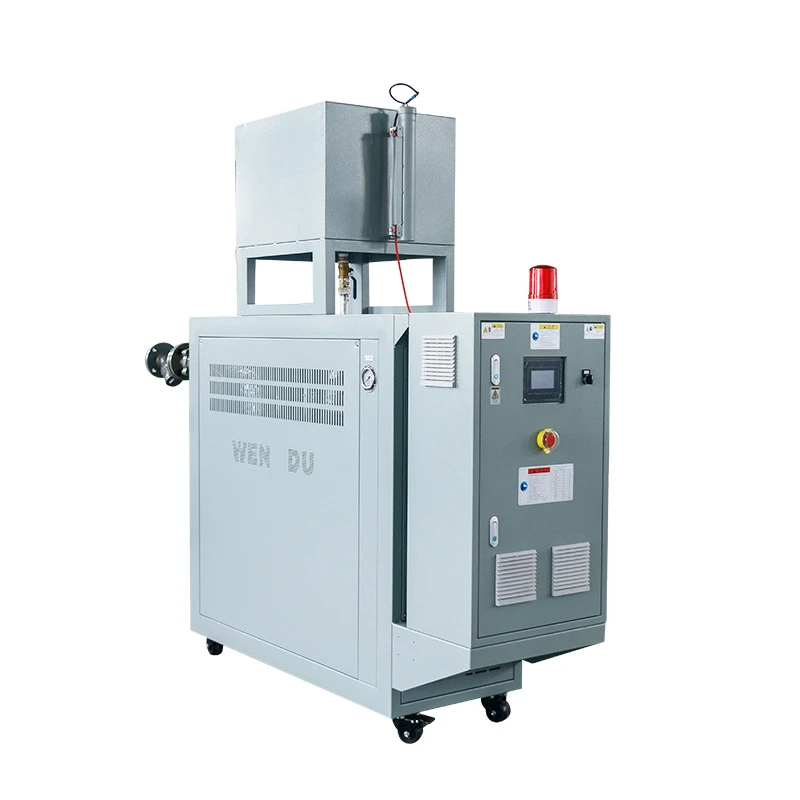
In the realm of industrial manufacturing, the water mold temperature machine plays a crucial role in maintaining optimal temperature conditions for molds. As a leading supplier of Water Mold Temperature Machine, I am often asked about the intricacies of its water circulation system design. This blog post aims to delve into the details of this design, exploring its components, functions, and the importance of a well - engineered system.
Components of the Water Circulation System
The water circulation system of a water mold temperature machine consists of several key components, each with its specific role.
Water Tank: The water tank serves as the reservoir for the coolant water. It stores a sufficient amount of water to ensure continuous operation of the system. The size of the water tank is determined by the cooling capacity requirements of the mold temperature machine. A larger tank can help to maintain a more stable water temperature, especially during periods of high demand.
Water Pump: The water pump is responsible for circulating the water throughout the system. It generates the necessary pressure to move the water from the water tank, through the heating and cooling components, and into the mold. High - quality pumps are designed to be energy - efficient, quiet, and reliable. They are capable of providing a consistent flow rate, which is essential for accurate temperature control.
Heating Element: In many cases, the water in the circulation system needs to be heated to reach the desired temperature for the mold. The heating element is used to increase the water temperature. It is typically made of high - quality materials that can withstand high temperatures and provide efficient heat transfer. The heating element is controlled by a temperature controller, which monitors the water temperature and adjusts the heating power accordingly.
Cooling Component: On the other hand, when the mold temperature is too high, the cooling component is activated to lower the water temperature. There are different types of cooling components, such as heat exchangers. A heat exchanger transfers the heat from the hot water to a cooler medium, such as air or another coolant. This helps to maintain the water temperature within the desired range.
Temperature Sensor: The temperature sensor is a vital part of the water circulation system. It continuously measures the water temperature at various points in the system, such as at the inlet and outlet of the mold. The data collected by the temperature sensor is sent to the temperature controller, which then makes adjustments to the heating or cooling components to ensure that the water temperature remains stable.
Functions of the Water Circulation System
The primary function of the water circulation system in a water mold temperature machine is to control the temperature of the mold. By circulating heated or cooled water through the mold, it can ensure that the mold maintains a consistent temperature during the manufacturing process.
In injection molding, for example, maintaining the right mold temperature is crucial for product quality. If the mold temperature is too high, the plastic may not solidify properly, leading to defects such as warping, shrinkage, or poor surface finish. On the other hand, if the mold temperature is too low, the plastic may solidify too quickly, resulting in incomplete filling of the mold and other quality issues.
The water circulation system also helps to improve the efficiency of the manufacturing process. By providing precise temperature control, it can reduce the cycle time of the production process. For instance, by quickly heating or cooling the mold to the optimal temperature, the time required for each molding cycle can be shortened, increasing the overall production output.
Design Considerations for the Water Circulation System
When designing the water circulation system of a water mold temperature machine, several factors need to be taken into account.
Flow Rate: Determining the appropriate flow rate is crucial. The flow rate should be sufficient to ensure that the water can effectively transfer heat to or from the mold. If the flow rate is too low, the heat transfer will be inefficient, and the temperature control will be inaccurate. On the other hand, if the flow rate is too high, it may cause excessive pressure in the system, leading to potential leaks or damage to the components.
Pressure: The pressure within the water circulation system also needs to be carefully controlled. The water pump should be able to generate enough pressure to overcome the resistance in the pipes and the mold. However, excessive pressure can put stress on the components and increase the risk of failure. Pressure relief valves are often installed in the system to prevent over - pressurization.
Water Quality: The quality of the water used in the circulation system is another important consideration. Impurities in the water, such as minerals, sediment, or bacteria, can cause scaling, corrosion, or clogging in the pipes and components. To ensure the long - term reliability of the system, it is recommended to use filtered or demineralized water. Water treatment systems can also be installed to maintain the water quality.
Compatibility with Other Equipment: The water mold temperature machine may be integrated with other industrial equipment, such as Hydraulic Oil Chiller Unit, Mould Temperature Controller Oil, Closed Type Cooling Tower, or Water Mold Temperature Controller. Therefore, the water circulation system design should ensure compatibility with these other devices to achieve seamless operation.
Importance of a Well - Designed Water Circulation System
A well - designed water circulation system offers numerous benefits. Firstly, it ensures the stability and accuracy of mold temperature control. This directly translates into higher - quality products with fewer defects, which can enhance the competitiveness of the manufacturing process.
Secondly, a well - engineered system is more energy - efficient. By optimizing the flow rate, pressure, and heat transfer efficiency, it can reduce energy consumption, leading to cost savings in the long run.
Thirdly, it improves the reliability and lifespan of the water mold temperature machine. A properly designed water circulation system reduces the stress on the components, minimizing the risk of breakdowns and maintenance requirements.
Contact for Purchase and Consultation
If you are interested in our Water Mold Temperature Machine or have any questions about the water circulation system design, please feel free to contact us. Our team of experts is ready to assist you in selecting the right equipment for your specific manufacturing needs and providing professional guidance on installation, operation, and maintenance.

References
- "Industrial Temperature Control Handbook", published by a leading industry research institute.
- Technical specifications and design guidelines from manufacturers of water mold temperature machines and related components.