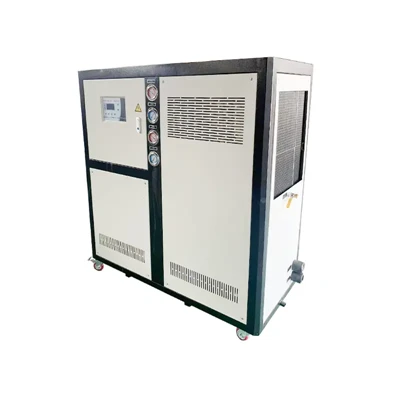
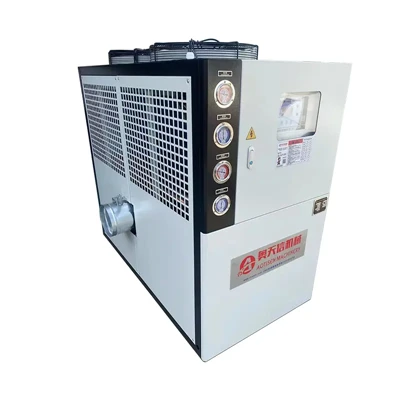
As a supplier of Portable Industrial Chillers, I often encounter inquiries from customers regarding the possibility of connecting our portable industrial chillers to a central control system. This is a crucial question, especially in large - scale industrial settings where centralized control can enhance efficiency, improve monitoring, and simplify management. In this blog, I will explore whether portable industrial chillers can be connected to a central control system, the benefits, challenges, and the technical aspects involved.
Can Portable Industrial Chillers be Connected to a Central Control System?
The short answer is yes, portable industrial chillers can be connected to a central control system. Most modern portable industrial chillers are designed with advanced control features that allow for seamless integration into a larger control network. These chillers are equipped with programmable logic controllers (PLCs) and communication interfaces, such as Ethernet, Modbus, or Profibus, which facilitate the exchange of data between the chiller and the central control system.
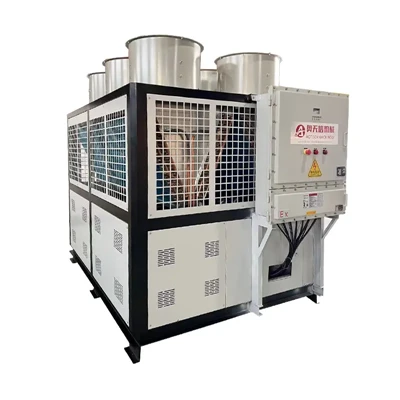
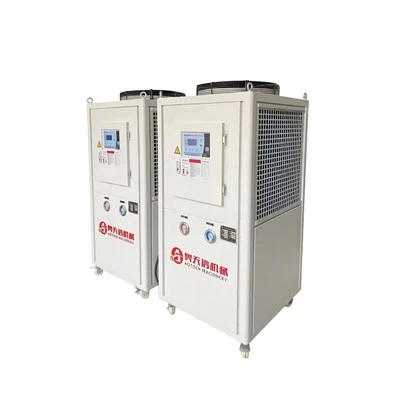
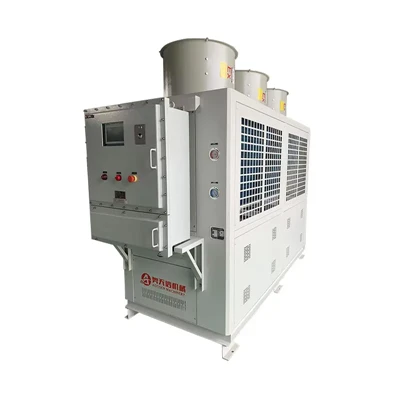
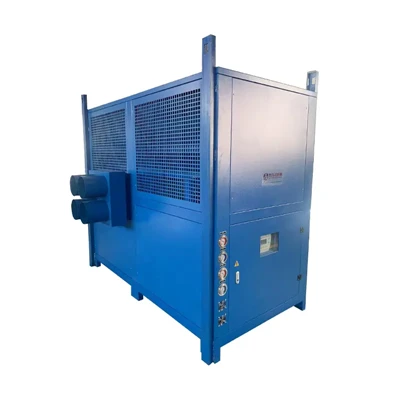
Our Portable Industrial Chillers are a prime example. They come with built - in control algorithms and communication ports that can be configured to transmit and receive data. This enables operators to monitor and control multiple chillers from a single location, adjust parameters such as temperature and flow rate, and receive real - time alerts in case of malfunctions or abnormal conditions.
Benefits of Connecting Portable Industrial Chillers to a Central Control System
1. Enhanced Efficiency
By integrating portable industrial chillers into a central control system, operators can optimize the operation of the chillers based on the overall demand of the industrial process. For example, the central control system can adjust the cooling capacity of individual chillers according to the load, reducing energy consumption and improving the overall efficiency of the cooling system. This is particularly beneficial in facilities with fluctuating cooling requirements.
2. Real - Time Monitoring
A central control system provides operators with real - time access to important data such as temperature, pressure, and flow rate of the chiller. This allows for early detection of any issues or deviations from the normal operating conditions. Operators can then take corrective actions promptly, preventing potential breakdowns and minimizing downtime. For instance, if the temperature of the chilled water exceeds the set limit, the central control system can send an alert to the operator, who can then adjust the chiller settings accordingly.
3. Simplified Management
Managing multiple portable industrial chillers can be a complex task, especially in large industrial plants. Connecting them to a central control system simplifies the management process by providing a single interface for monitoring and control. Operators can easily view the status of all chillers, make adjustments to their settings, and generate reports on the performance of the cooling system. This reduces the need for on - site inspections and manual intervention, saving time and labor costs.
4. Predictive Maintenance
The data collected by the central control system can be used for predictive maintenance. By analyzing the performance trends of the chillers over time, operators can identify potential problems before they occur. For example, if the energy consumption of a chiller is gradually increasing, it may indicate a problem with the compressor or the refrigerant system. The central control system can then schedule maintenance tasks in advance, reducing the likelihood of unexpected breakdowns and extending the lifespan of the chillers.
Challenges in Connecting Portable Industrial Chillers to a Central Control System
1. Compatibility Issues
One of the main challenges in connecting portable industrial chillers to a central control system is ensuring compatibility between the chiller's control system and the central control system. Different manufacturers may use different communication protocols and data formats, which can make it difficult to establish a seamless connection. To overcome this challenge, it is important to choose chillers that support the standard communication protocols used in the industry. Our company offers chillers that are compatible with a wide range of communication protocols, ensuring easy integration into existing central control systems.
2. Installation and Configuration
Proper installation and configuration are crucial for the successful connection of portable industrial chillers to a central control system. This requires technical expertise and knowledge of the control system and the chiller's communication interfaces. Incorrect installation or configuration can lead to communication errors, data loss, or even damage to the equipment. To address this issue, our company provides professional installation and commissioning services to ensure that the chillers are properly connected and configured to the central control system.
3. Security Concerns
Connecting portable industrial chillers to a central control system also raises security concerns. The central control system is often connected to the company's internal network or the internet, which exposes it to potential cyber threats. To protect the system from unauthorized access and data breaches, it is important to implement robust security measures such as firewalls, encryption, and user authentication. Our company takes security seriously and ensures that our chillers and control systems are designed with the latest security features to safeguard the data and the integrity of the industrial process.
Technical Aspects of Connecting Portable Industrial Chillers to a Central Control System
1. Communication Protocols
As mentioned earlier, communication protocols play a vital role in connecting portable industrial chillers to a central control system. Some of the commonly used protocols in the industry include Modbus, Profibus, and Ethernet. Modbus is a simple and widely used protocol that allows for easy communication between devices. Profibus is a more advanced protocol that offers higher data transfer rates and better reliability. Ethernet is a popular choice for connecting devices to a local area network (LAN) or the internet. Our Portable Industrial Chillers support multiple communication protocols, giving customers the flexibility to choose the one that best suits their needs.
2. Data Transfer
Once the communication protocol is established, the next step is to transfer the data between the chiller and the central control system. The data can include temperature, pressure, flow rate, and other operating parameters of the chiller. This data is typically transferred in a digital format, which can be easily processed and analyzed by the central control system. Our chillers are designed to collect and transmit accurate and reliable data, ensuring that operators have access to the information they need to make informed decisions.
3. Software Integration
In addition to the hardware and communication aspects, software integration is also an important part of connecting portable industrial chillers to a central control system. The central control system software needs to be compatible with the chiller's control software to ensure seamless data exchange and control. Our company provides software solutions that are specifically designed for integrating our chillers into central control systems. These software solutions offer user - friendly interfaces, advanced analytics, and reporting features, making it easy for operators to manage and monitor the cooling system.
Conclusion
In conclusion, connecting portable industrial chillers to a central control system is not only possible but also offers numerous benefits in terms of efficiency, monitoring, management, and maintenance. While there are some challenges such as compatibility, installation, and security, these can be overcome with the right technical expertise and solutions. As a supplier of Portable Industrial Chillers, we are committed to providing high - quality chillers that are easy to integrate into central control systems. Our Industrial Air Cooled Water Chiller, Water Chiller for Industrial Use, Air Cooled Industrial Oil Cooler, and Air Cooled Process Chiller are all designed with advanced control features and communication interfaces to meet the needs of modern industrial applications.

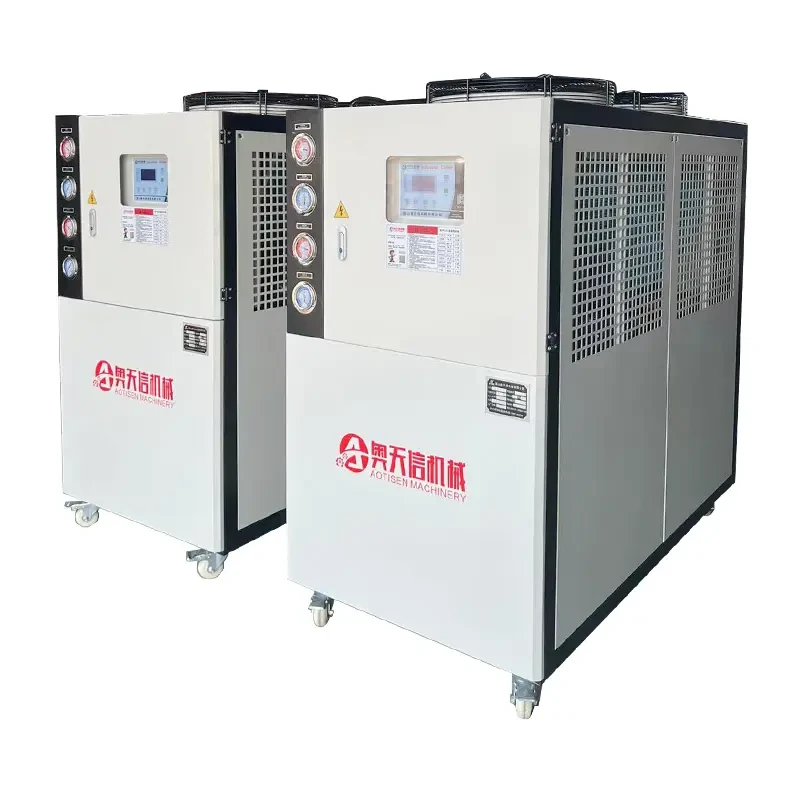
If you are interested in learning more about our portable industrial chillers and their integration with central control systems, or if you have any other questions regarding industrial cooling solutions, we encourage you to contact us. Our team of experts will be more than happy to assist you in finding the best solution for your specific needs and help you optimize your industrial cooling process.
References
- Bosch, R. (2020). Industrial Automation: Principles and Applications. Springer.
- Smith, J. (2019). Handbook of Industrial Refrigeration Systems. CRC Press.
- Wang, L. (2018). Communication Protocols in Industrial Control Systems. IEEE Transactions on Industrial Electronics.