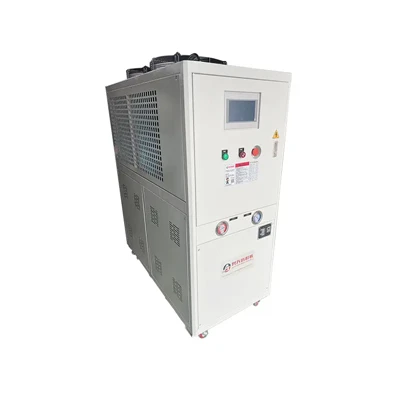
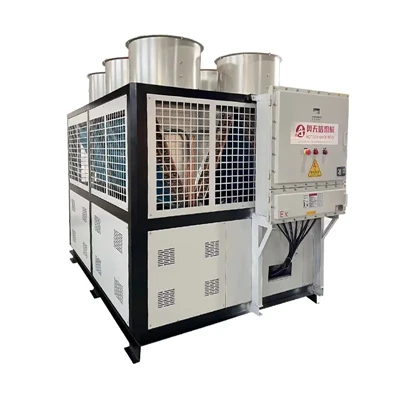
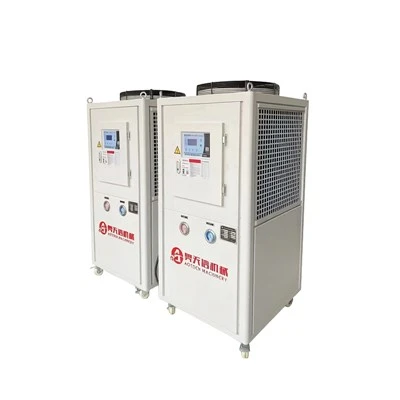
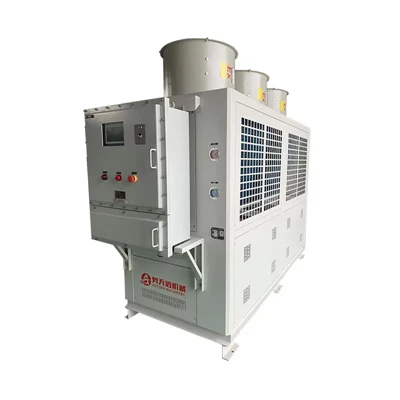
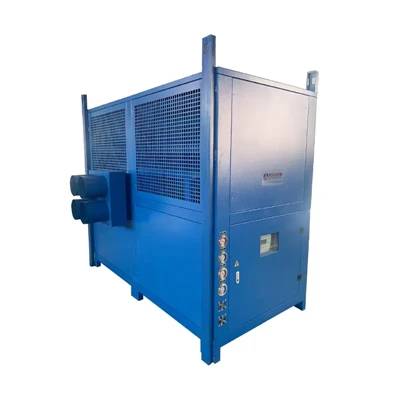
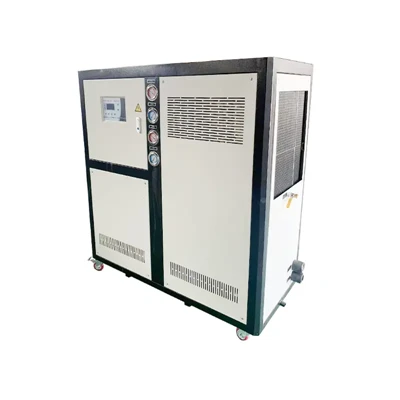
Water chemistry plays a pivotal role in the performance, efficiency, and longevity of a closed cell cooling tower. As a supplier of Closed Cell Cooling Tower, I have witnessed firsthand the profound impact that water quality can have on these cooling systems. In this blog, I will delve into the various aspects of water chemistry and how they affect the operation of a closed cell cooling tower.
1. Corrosion and Scaling
One of the most significant impacts of water chemistry on a closed cell cooling tower is corrosion and scaling. Corrosion occurs when the metal components of the cooling tower, such as pipes, heat exchangers, and the tower structure itself, react with the water and its dissolved substances. This can lead to the degradation of the metal, reducing its strength and potentially causing leaks.
Scaling, on the other hand, happens when minerals in the water, such as calcium and magnesium, precipitate out and form a hard, crusty layer on the surfaces of the cooling tower. This layer can insulate the heat transfer surfaces, reducing the efficiency of the cooling tower and increasing energy consumption.
The pH level of the water is a crucial factor in determining the likelihood of corrosion and scaling. Water with a low pH (acidic) is more corrosive, while water with a high pH (alkaline) is more prone to scaling. Therefore, maintaining the pH of the water within a specific range is essential for preventing both corrosion and scaling. Typically, a pH range of 6.5 to 8.5 is recommended for closed cell cooling towers.
In addition to pH, the concentration of dissolved solids in the water also affects corrosion and scaling. High levels of dissolved solids, such as chlorides and sulfates, can increase the conductivity of the water, making it more corrosive. To control the concentration of dissolved solids, a process called blowdown is often used. Blowdown involves periodically draining a portion of the water from the cooling tower and replacing it with fresh water to reduce the concentration of dissolved solids.
2. Microbiological Growth
Another important aspect of water chemistry in a closed cell cooling tower is the control of microbiological growth. The warm, moist environment inside a cooling tower provides an ideal breeding ground for various microorganisms, including bacteria, fungi, and algae. These microorganisms can form biofilms on the surfaces of the cooling tower, which can reduce the efficiency of the heat transfer and increase the risk of corrosion.
Moreover, some microorganisms, such as Legionella bacteria, can pose a serious health risk to humans. Legionella can cause Legionnaires' disease, a severe form of pneumonia, when people inhale tiny droplets of water contaminated with the bacteria. Therefore, it is crucial to prevent the growth of microorganisms in the cooling tower water.
To control microbiological growth, biocides are commonly used in closed cell cooling towers. Biocides are chemicals that kill or inhibit the growth of microorganisms. However, the use of biocides should be carefully managed to ensure that they are effective without causing harm to the environment or the cooling tower components.
3. Fouling and Blockage
Fouling and blockage can also occur in a closed cell cooling tower due to the presence of suspended solids, debris, and other contaminants in the water. These contaminants can accumulate on the heat transfer surfaces, filters, and pipes, reducing the flow of water and air through the cooling tower and decreasing its efficiency.

To prevent fouling and blockage, proper filtration and water treatment are essential. Filtration systems can remove suspended solids and debris from the water before it enters the cooling tower. Additionally, regular maintenance and cleaning of the cooling tower components can help to prevent the accumulation of contaminants.
4. Impact on Energy Efficiency
The water chemistry of a closed cell cooling tower can have a significant impact on its energy efficiency. As mentioned earlier, scaling and fouling can reduce the efficiency of the heat transfer, which means that the cooling tower has to work harder to achieve the desired cooling effect. This results in increased energy consumption and higher operating costs.
By maintaining proper water chemistry, the efficiency of the heat transfer can be optimized, reducing energy consumption and saving money. For example, by controlling the pH and dissolved solids levels in the water, the formation of scaling can be minimized, allowing the cooling tower to operate more efficiently.
5. Equipment Lifespan
The condition of the water in a closed cell cooling tower also affects the lifespan of the equipment. Corrosion, scaling, microbiological growth, and fouling can all cause damage to the cooling tower components over time. If these issues are not addressed, they can lead to premature failure of the equipment, resulting in costly repairs and replacements.
By implementing proper water treatment and maintenance practices, the lifespan of the closed cell cooling tower can be extended. This not only reduces the overall cost of ownership but also ensures the reliable operation of the cooling system.
6. Importance of Water Testing
To effectively manage the water chemistry in a closed cell cooling tower, regular water testing is essential. Water testing can provide valuable information about the pH, dissolved solids, microbiological activity, and other parameters of the water. Based on the test results, appropriate water treatment measures can be taken to maintain the water quality within the recommended range.
Water testing should be carried out at regular intervals, depending on the operating conditions of the cooling tower. In general, it is recommended to test the water at least once a month for small cooling towers and more frequently for larger or high-duty cooling towers.
Conclusion
In conclusion, water chemistry has a profound impact on the performance, efficiency, and longevity of a closed cell cooling tower. By understanding the various aspects of water chemistry and implementing proper water treatment and maintenance practices, the negative effects of corrosion, scaling, microbiological growth, fouling, and blockage can be minimized. This not only ensures the reliable operation of the cooling tower but also reduces energy consumption and extends the lifespan of the equipment.
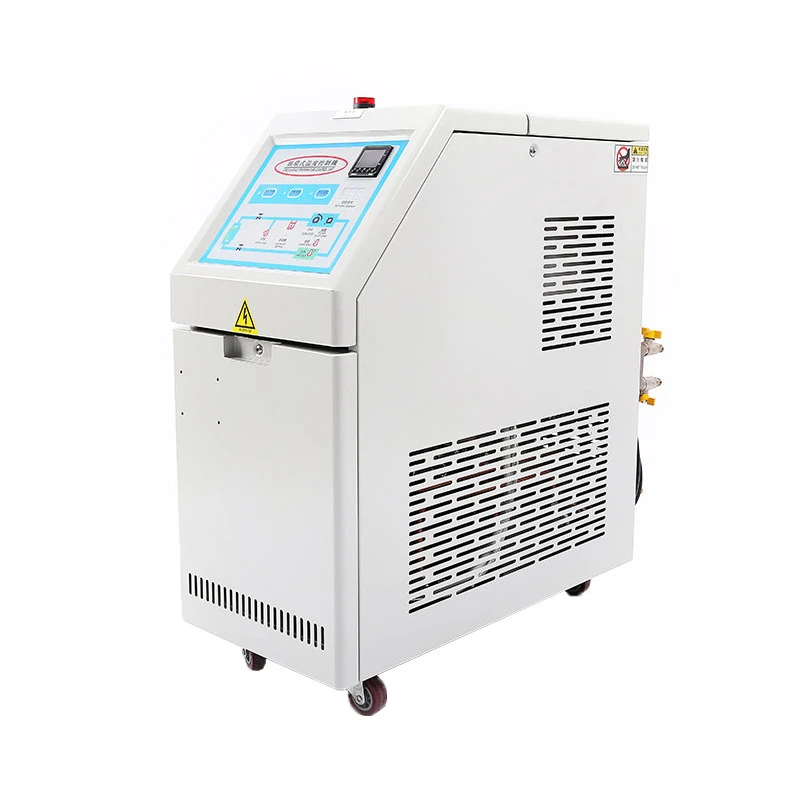
If you are in the market for a Closed Cell Cooling Tower or need advice on water treatment for your existing cooling tower, please do not hesitate to contact us for further discussion. We are also a provider of related cooling equipment, such as Water Mold Temperature Machine, Mould Temperature Controller Oil, and Water Mold Temperature Controller. Our closed type cooling towers, like Closed Type Cooling Tower, are designed to meet the highest standards of quality and performance. We look forward to the opportunity to serve your cooling needs and help you achieve optimal results.
References
- ASHRAE Handbook - HVAC Systems and Equipment.
- Cooling Tower Institute publications.
- Water treatment industry standards and guidelines.