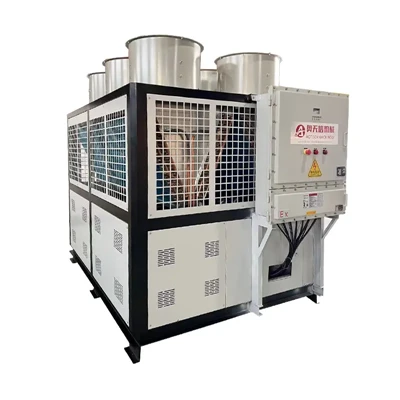
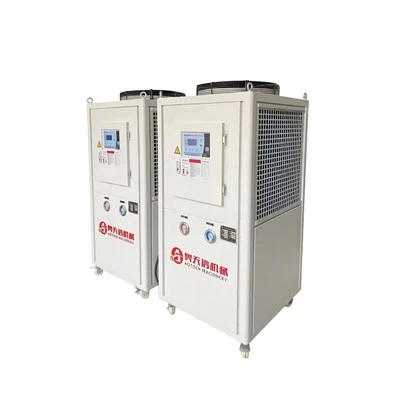
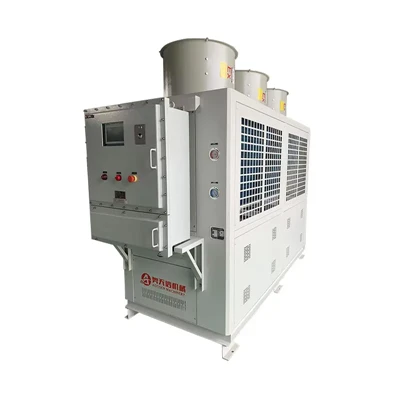
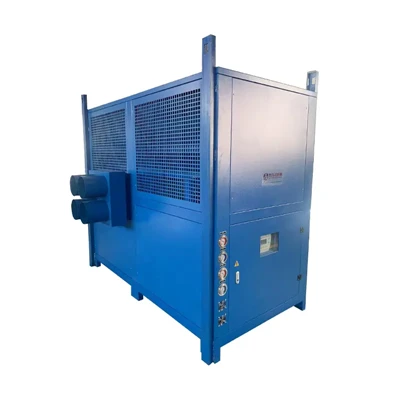
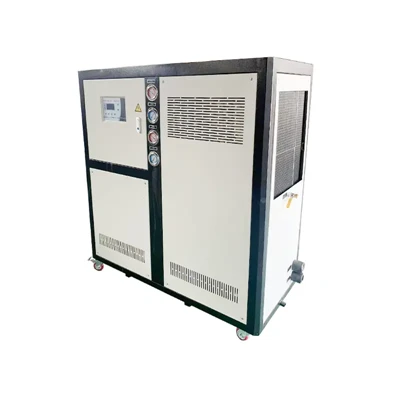
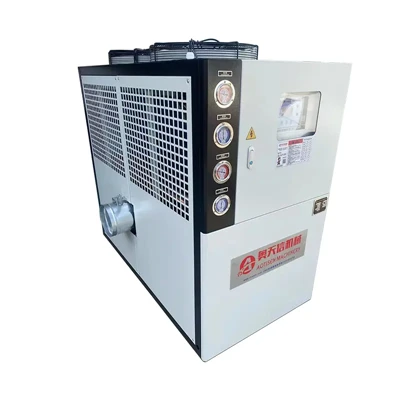
Hey there! As a supplier of Water Mold Temperature Machine, I've got a ton of experience dealing with all sorts of issues related to these machines. One of the things that often gets overlooked but can have a huge impact on the performance of a water mold temperature machine is water impurities. In this blog post, I'm gonna break down what these impurities are, how they affect your machine, and what you can do about it.
What are water impurities?
Water impurities are basically any substances that are dissolved or suspended in water other than pure H₂O. These can come from a variety of sources, including the water source itself, the environment, and even the materials that the water comes into contact with. Some common types of water impurities include:
- Minerals: Minerals like calcium, magnesium, and iron are naturally present in most water sources. While they're not necessarily harmful in small amounts, they can build up over time and cause problems like scale formation.
- Sediments: Sediments are tiny particles of dirt, sand, and other debris that can be carried by water. These can clog filters, pipes, and other components of your water mold temperature machine, reducing its efficiency and potentially causing damage.
- Bacteria and algae: Bacteria and algae are living organisms that can grow in water, especially if it's warm and stagnant. They can produce slime, which can clog pipes and heat exchangers, and they can also cause corrosion and other damage to your machine.
- Chemicals: Chemicals like chlorine, fluoride, and heavy metals can be present in water as a result of water treatment processes or pollution. These chemicals can react with the materials in your machine, causing corrosion and other problems.
How do water impurities affect a water mold temperature machine?
Water impurities can have a number of negative effects on a water mold temperature machine, including:
- Scale formation: As I mentioned earlier, minerals like calcium and magnesium can build up over time and form scale on the surfaces of your machine. Scale is a hard, crusty substance that can reduce the efficiency of your heat exchanger, making it harder for your machine to transfer heat. This can lead to higher energy consumption, longer cycle times, and reduced productivity.
- Clogging: Sediments, bacteria, and algae can all clog the filters, pipes, and other components of your water mold temperature machine. This can restrict the flow of water, reducing the efficiency of your machine and potentially causing damage to the pump and other components.
- Corrosion: Chemicals like chlorine and heavy metals can react with the materials in your machine, causing corrosion. Corrosion can weaken the structural integrity of your machine, leading to leaks, breakdowns, and other problems.
- Microbial growth: Bacteria and algae can grow in the water of your machine, especially if it's warm and stagnant. This can produce slime, which can clog pipes and heat exchangers, and it can also cause unpleasant odors and health problems.
What can you do to prevent water impurities from affecting your water mold temperature machine?
Fortunately, there are a number of things you can do to prevent water impurities from affecting your water mold temperature machine, including:
- Use a water treatment system: A water treatment system can help remove impurities from your water before it enters your machine. There are a variety of different types of water treatment systems available, including filters, softeners, and reverse osmosis systems. The type of system you need will depend on the specific impurities in your water and the requirements of your machine.
- Keep your machine clean: Regularly cleaning your water mold temperature machine can help prevent the buildup of scale, sediment, and other impurities. This includes cleaning the filters, pipes, and heat exchangers, as well as draining and refilling the water in your machine on a regular basis.
- Monitor your water quality: Regularly testing the water in your machine can help you identify any potential problems with water quality before they cause damage to your machine. You can use a variety of different testing kits to measure the pH, hardness, and other parameters of your water.
- Use the right chemicals: If necessary, you can use chemicals to treat the water in your machine and prevent the growth of bacteria and algae. However, it's important to use the right chemicals and to follow the manufacturer's instructions carefully to avoid damaging your machine.
The role of different components in dealing with water impurities
Let's talk about how some key components of a water mold temperature machine assist in handling water impurities or are affected by them.
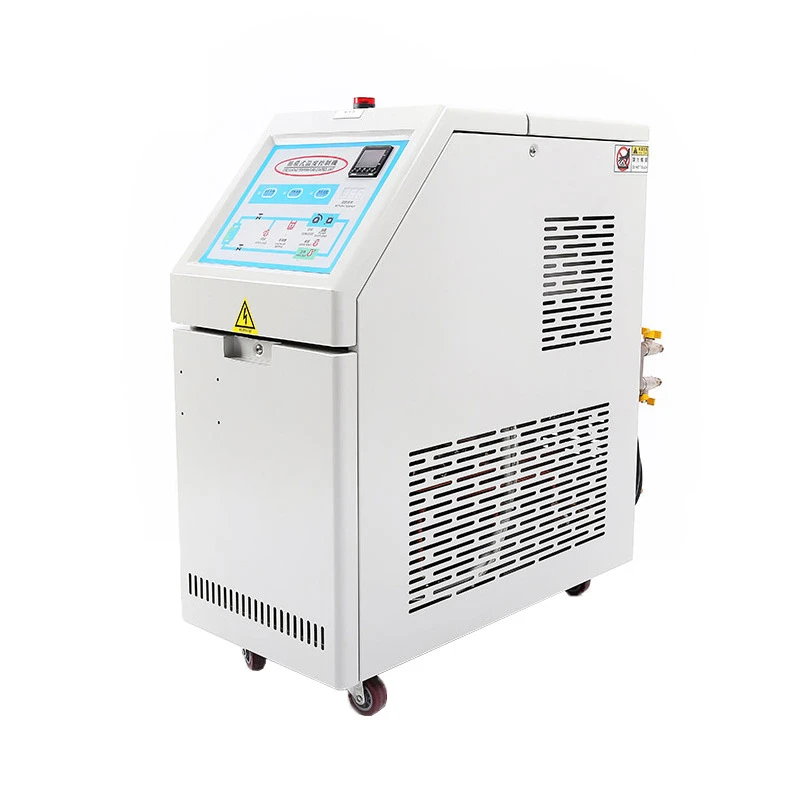
Mold Heater Controller
The mold heater controller is crucial for maintaining the right temperature in the water mold temperature machine. When there are water impurities, scale formation on the heating elements can disrupt the heat transfer process. This, in turn, can cause the controller to work harder to achieve and maintain the set temperature. Over time, this increased workload can lead to premature wear and tear on the controller, potentially shortening its lifespan.
Water Mold Temperature Controller
Similar to the mold heater controller, the water mold temperature controller helps regulate the overall temperature of the system. Water impurities can affect the accuracy of temperature sensors. For example, if sediment or scale coats the sensor, it may provide inaccurate temperature readings to the controller. This can result in the controller making improper adjustments to the temperature, leading to inconsistent performance of the water mold temperature machine.
Mould Temperature Controller Oil
In some cases, oil is used in the temperature control process. Water impurities can contaminate the oil if there is a leak or improper sealing in the system. Contaminated oil loses its lubricating and heat transfer properties, which can lead to increased friction and wear on the moving parts of the machine. This can also affect the efficiency of the entire temperature control system.
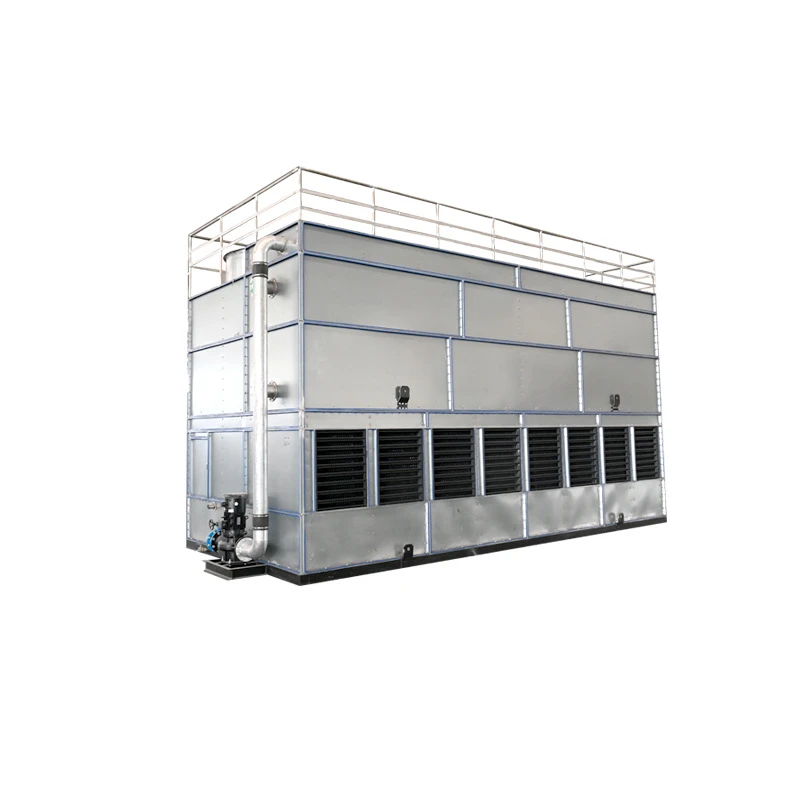
Closed Type Cooling Tower
A closed - type cooling tower is often used in conjunction with a water mold temperature machine to cool the water. Water impurities can cause problems in the cooling tower as well. Scale formation on the cooling tower's heat transfer surfaces can reduce its cooling efficiency. Sediment can clog the nozzles and pipes in the cooling tower, disrupting the water flow and reducing its ability to dissipate heat effectively.
Conclusion
In conclusion, water impurities can have a significant impact on the performance and lifespan of your water mold temperature machine. By understanding what these impurities are, how they affect your machine, and what you can do to prevent them, you can ensure that your machine runs smoothly and efficiently for years to come.
If you're experiencing any problems with water impurities in your water mold temperature machine, or if you're looking for a reliable water treatment system or a new Water Mold Temperature Machine, don't hesitate to reach out. We're here to help you find the best solutions for your needs and to keep your production running at its best. Contact us today to start a procurement discussion and see how we can assist you.
References
- "Water Treatment Handbook", Various Industry Sources
- "Industrial Cooling Equipment Maintenance Guide", Industry Publications
- Manufacturer's Manuals for Water Mold Temperature Machines